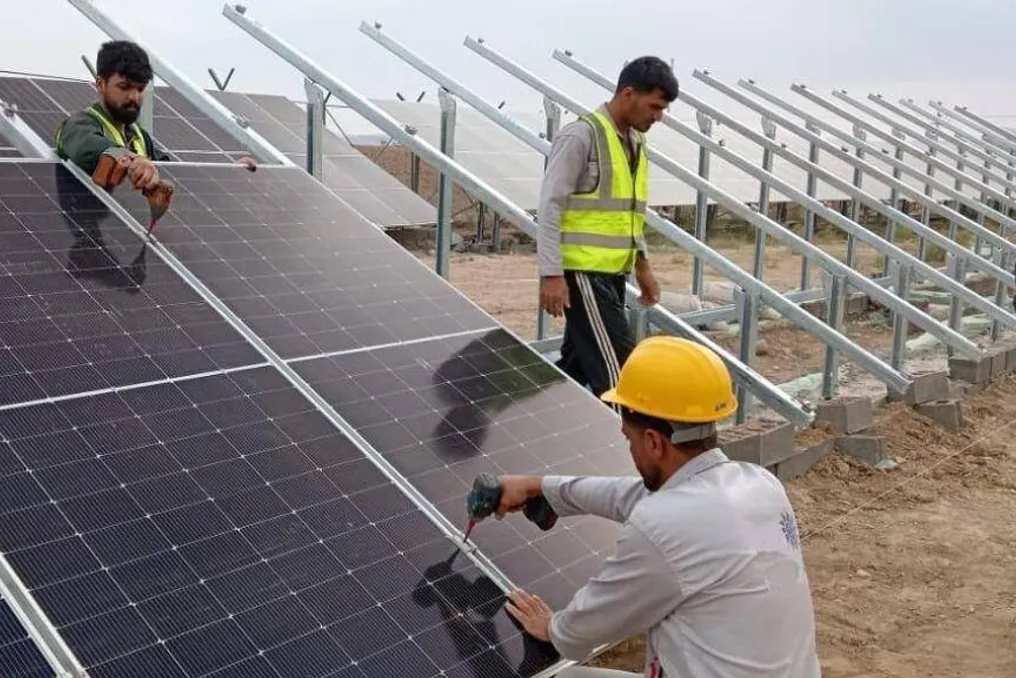
In the settlement of Torbat-e Jam, which is a refugee camp, a project to increase solar energy capacity was implemented. This project was carried out by the United Nations Industrial Development Organization (UNIDO) with support from the Government of the Republic of Korea and in collaboration with the Center for Alien Affairs and Immigration (CAFIA).
Socio-economic Benefits
The expansion of solar generation brought economic, environmental, and social benefits to both Afghan refugees and the host local community. According to an UN press release dated July 15, the modernization significantly improved access to vital services, reduced emissions, and promoted sustainable development.
Project Details and Results
The initiative is part of the 'Scaling Sustainable Settlements for Afghan Refugees in the Islamic Republic of Iran' program, which aims to improve living conditions, expand access to sustainable infrastructure, and strengthen refugees' earning potential while supporting local communities. Building on the success of the first phase, UNIDO increased the capacity of the photovoltaic power plant in the settlement from 52.25 kilowatts to 200 kilowatts. The updated facility began operating in July 2025, allowing the settlement to generate significantly more clean electricity from the sun, which is one of the country's most abundant natural resources.
Energy Efficiency Metrics
The results were immediate: within a year, electricity consumption from the national grid decreased by almost 36 percent, and peak electricity demand dropped by nearly 60 percent. These improvements helped reduce the operational costs of the settlement, lessened the strain on the national grid during peak hours, and helped ensure a more stable power supply for schools, medical facilities, and other public services.
Environmental Impact and Training
The environmental benefit is also substantial. Annually, the expanded solar plant is expected to produce about 432 megawatt-hours of clean energy, preventing the emission of approximately 285 tons of carbon dioxide. Furthermore, this will reduce the consumption of natural gas and conserve water that would otherwise be used in traditional power generation—which is particularly important in the arid climate of Torbat-e Jam. Beyond the technology itself, the project focuses on people: UNIDO organized practical training for settlement staff on the operation and maintenance of the photovoltaic system, thereby developing local technical expertise and ensuring the long-term viability of the investment.
Prospects and Partnership
Mohsen, a 29-year-old participant, noted that the training provided them with practical skills and confidence in operating and optimizing the photovoltaic system, emphasizing how teamwork makes energy more reliable for their families and public services. The expansion of solar generation also contributes to Iran's efforts to increase the share of renewable energy sources, simultaneously advancing humanitarian aid, environmental sustainability, and national development priorities. The experience of Torbat-e Jam serves as a solid foundation for implementing similar measures in other Iranian refugee camps through continued cooperation between UNIDO, CAFIA, the Iranian Renewable Energy and Energy Efficiency Organization (SATBA), the Government of the Republic of Korea, and national partners.