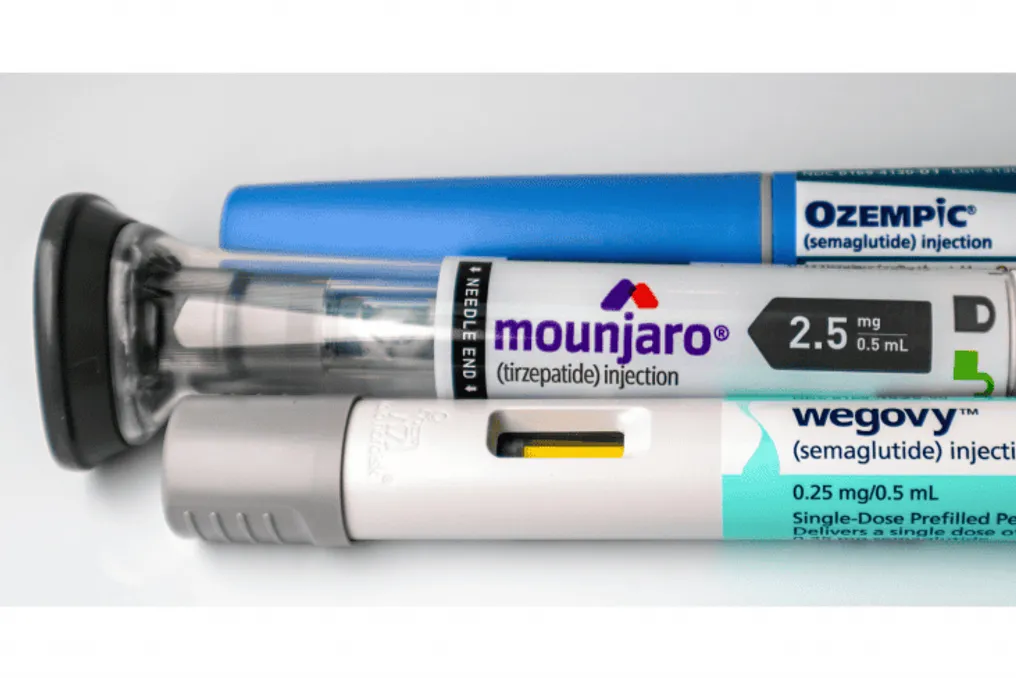
The use of medications such as Ozempic, Wegovy, and Mounjaro requires a differentiated monitoring approach, as proposed by a new international consensus. This document establishes that treatment success must be evaluated by criteria that go beyond merely the number registered on the scale.
Guidelines from the International Consensus
Published in the journal The Lancet Diabetes & Endocrinology, the material gathers comprehensive guidelines covering aspects such as appropriate dosages, dietary habits, physical exercise, and mental health monitoring. Furthermore, it specifies the appropriate times to reduce or discontinue the use of these medications.
Individualization of Treatment
This consensus, developed by three European entities, does not change the original indications for the drugs but emphasizes the need to analyze each patient individually. Decisions must be guided by the individual response to the treatment, the presence of associated medical conditions, and tolerance to side effects.
Fernando Valente, who coordinates the Department of Diabetes Education at the Brazilian Society of Diabetes (SBD) and directs the Department of Diabetes at the Brazilian Society of Endocrinology and Metabolism (SBEM), highlighted this shift in focus. He told G1 that the primary relevance of this first consensus lies in demonstrating that the treatment is not limited only to administering the injection and reducing weight.
Although higher doses remain necessary in certain cases, especially for individuals with significant weight gain, satisfactory results can be achieved with lower doses. This is particularly true when the main objective is managing metabolic diseases, such as diabetes, hypertension, fatty liver, or sleep apnea.
When to Reassess Treatment
The consensus clarifies that under certain conditions, reducing the dose, taking a break, or stopping the medication may constitute the best strategy. This choice must always be made in collaboration between the healthcare professional and the patient themselves.
Experts warn about specific signs that require attention, including nausea and persistent vomiting episodes, difficulty maintaining adequate hydration, excessively rapid weight loss, poor nutrient absorption, and any indicators of malnutrition.
Rodrigo Lamounier, director of the Brazilian Association for the Study of Obesity and Metabolic Syndrome (Abeso) and a member of SBEM, stresses that stopping medication does not necessarily imply therapeutic failure. He explained to G1 that although they are crucial medications, they require caution and personalization according to the evolution and clinical context of each individual.
Importance of Nutrition and Exercise
The document also underlines that accelerated weight loss can lead to an undesirable decrease in muscle mass. To mitigate this risk, the recommendation is to integrate a diet rich in protein with resistance exercises, such as weight training.
Nutritional guidance suggests daily intake of approximately 1 to 1.5 grams of protein per adjusted kilogram of weight, maintaining a minimum of 60 grams distributed throughout meals. If this dietary goal is not met, supplements may be considered after an individualized evaluation.
Considering Mental Health
An additional highlight is the concept of 'food noise,' defined as continuous thoughts about food. These thoughts tend to decrease with the action of the medications in the brain's reward regions.
Fernando Valente reiterated to G1 that the consensus also points to the need to monitor any emotional changes during the treatment process. The final proposal emphasizes that preserving muscle mass, quality of life, and well-being should be as important as weight loss, confirming that obesity management transcends simple measurement on the scale.