The second season of the 'Initiative Budget' for 2026 has started in Uzbekistan, implemented at the initiative of the head of state. This program, aimed at forming and financing projects based on public opinion, is the first practical implementation in the country, although the first steps were taken back in 2018.
Schedule and Features of the Second Season
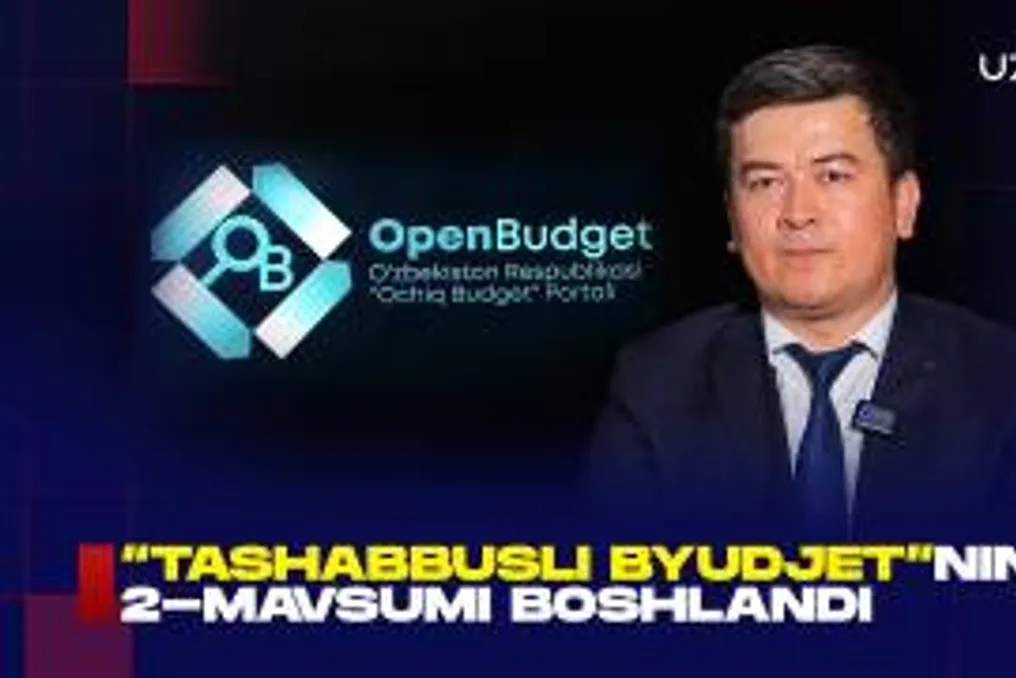
The second season of the 'Initiative Budget' began on July 15 of this year and marks the eleventh iteration of this program. Ulugbek Choriyev, an expert from the Ministry of Economy and Finance, commented that despite changes between seasons, the program will take into account the shortcomings of previous periods.
The schedule of events includes the following stages: project submission from July 15 to August 3; project selection from August 4–8; propaganda stage from August 19–21; voting from August 22–31; and announcement of additional winners from September 1 to 10. Furthermore, the winners of the traditional voting stage will be announced on the 35th anniversary of the Independence of the Republic of Uzbekistan, September 1.
Changes in Participation Mechanism
A practice has been introduced to limit project submissions for mahallas that have won in two consecutive seasons. The list of such mahallas, whose ability to submit projects in the second season of 2026 will be restricted, has already been compiled. Nevertheless, mahallas that took advantage of the break are given the opportunity to promote projects through partnerships.
Additionally, the mechanism of deputy initiative is being improved. On July 29, the President of the Republic of Uzbekistan issued Decree No. 243, concerning the creation of additional opportunities for people's representatives and the public in solving socio-economic issues in mahallas within the framework of the second season of the 'Initiative Budget' 2026. According to this decree, deputies are granted the right to select one or more projects within the allocated funding.
These changes are designed to promote the more effective use of allocated funds, expand the scope of projects aimed at solving local problems, and increase the number of winning projects.