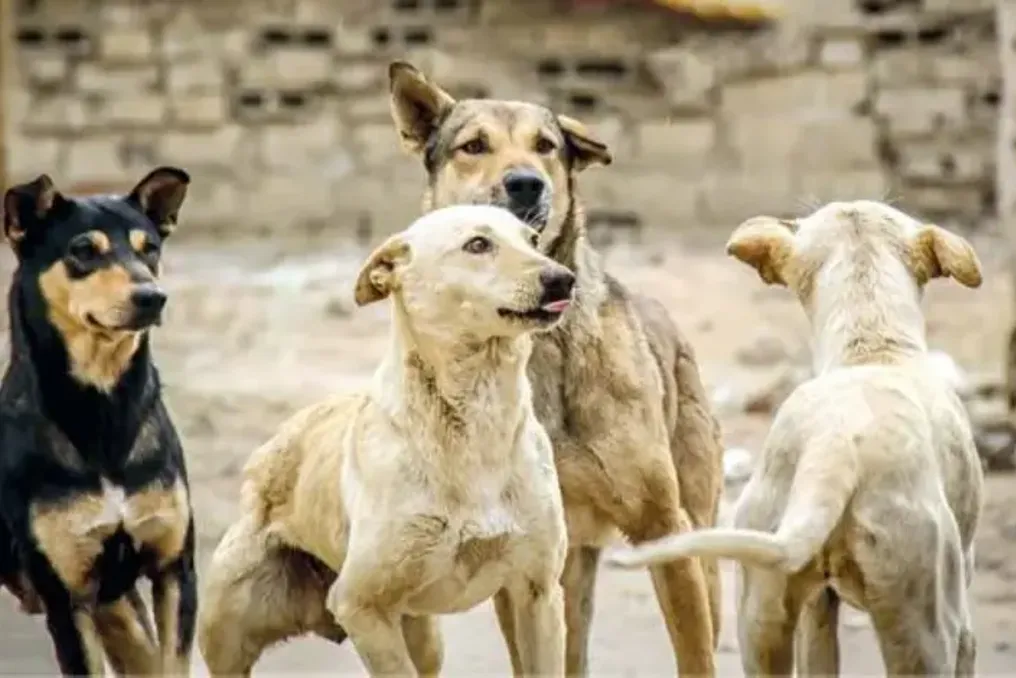
Hind El-Sheikh, Director of the General Administration for Licensing and Dangerous Animal Management at the Egyptian Ministry of Agriculture, refuted claims that there are '50 million dogs' in Egypt and warned against the spread of misinformation.
Hind El-Sheikh, Director of the General Administration for Licensing and Dangerous Animal Management at the Egyptian Ministry of Agriculture, refuted claims that there are '50 million dogs' in Egypt and warned against the spread of misinformation.
During a phone interview on Friday on the program 'al-Hekaya' on MBC Masr, hosted by Amr Adib, Sheikh noted that domestic dogs help protect citizens from other threats, such as reptiles and other pests. She added that dogs have been present in Egypt since the pharaohs, and solving this problem requires time and comprehensive plans, not quick fixes.
According to Sheikh, dogs perform a protective function because crime rates, including kidnappings, are less likely in areas with domestic dogs. She explained that dogs are nocturnal animals and sleep about 18 hours if well-fed, especially in winter, spending most of the day asleep before taking on a protective role at night.
El-Sheikh confirmed that the state is implementing a unified national plan to manage the stray animal issue, including free-roaming dogs, in coordination with all relevant authorities. She emphasized that the Ministry of Agriculture is making long-term, scientific decisions to ensure the health and environmental safety of citizens.
In Sheikh's opinion, the stray dog problem is part of a comprehensive strategy being implemented by the veterinary sector. She explained that the goal is to unify the efforts of relevant departments and prevent contradictory decisions when dealing with this issue. The Ministry approaches the problem with a multifaceted and comprehensive approach, assuring that citizen protection is a priority and the issue is being addressed with sustainable, not temporary, measures.
Sheikh reported that the ministry has begun controlling the dog population through vaccination, checking, sterilization, and subsequent release. She stressed that sterilized dogs become gentler and capable of coexisting with society. She assured that they are tackling this issue decisively, protecting the community from risks and relying on research to develop comprehensive plans, noting that this stray animal crisis requires time for a thorough resolution.
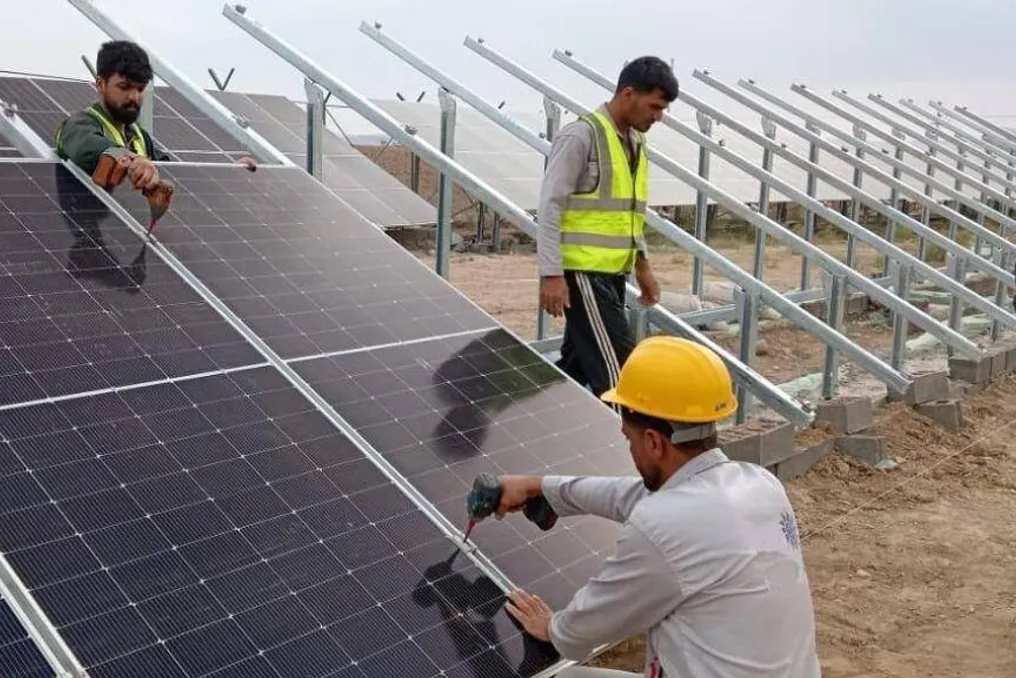
In the settlement of Torbat-e Jam, which is a refugee camp, a project to increase solar energy capacity was implemented. This project was carried out by the United Nations Industrial Development Organization (UNIDO) with support from the Government of the Republic of Korea and in collaboration with the Center for Alien Affairs and Immigration (CAFIA).
The expansion of solar generation brought economic, environmental, and social benefits to both Afghan refugees and the host local community. According to an UN press release dated July 15, the modernization significantly improved access to vital services, reduced emissions, and promoted sustainable development.
The initiative is part of the 'Scaling Sustainable Settlements for Afghan Refugees in the Islamic Republic of Iran' program, which aims to improve living conditions, expand access to sustainable infrastructure, and strengthen refugees' earning potential while supporting local communities. Building on the success of the first phase, UNIDO increased the capacity of the photovoltaic power plant in the settlement from 52.25 kilowatts to 200 kilowatts. The updated facility began operating in July 2025, allowing the settlement to generate significantly more clean electricity from the sun, which is one of the country's most abundant natural resources.
The results were immediate: within a year, electricity consumption from the national grid decreased by almost 36 percent, and peak electricity demand dropped by nearly 60 percent. These improvements helped reduce the operational costs of the settlement, lessened the strain on the national grid during peak hours, and helped ensure a more stable power supply for schools, medical facilities, and other public services.
The environmental benefit is also substantial. Annually, the expanded solar plant is expected to produce about 432 megawatt-hours of clean energy, preventing the emission of approximately 285 tons of carbon dioxide. Furthermore, this will reduce the consumption of natural gas and conserve water that would otherwise be used in traditional power generation—which is particularly important in the arid climate of Torbat-e Jam. Beyond the technology itself, the project focuses on people: UNIDO organized practical training for settlement staff on the operation and maintenance of the photovoltaic system, thereby developing local technical expertise and ensuring the long-term viability of the investment.
Mohsen, a 29-year-old participant, noted that the training provided them with practical skills and confidence in operating and optimizing the photovoltaic system, emphasizing how teamwork makes energy more reliable for their families and public services. The expansion of solar generation also contributes to Iran's efforts to increase the share of renewable energy sources, simultaneously advancing humanitarian aid, environmental sustainability, and national development priorities. The experience of Torbat-e Jam serves as a solid foundation for implementing similar measures in other Iranian refugee camps through continued cooperation between UNIDO, CAFIA, the Iranian Renewable Energy and Energy Efficiency Organization (SATBA), the Government of the Republic of Korea, and national partners.
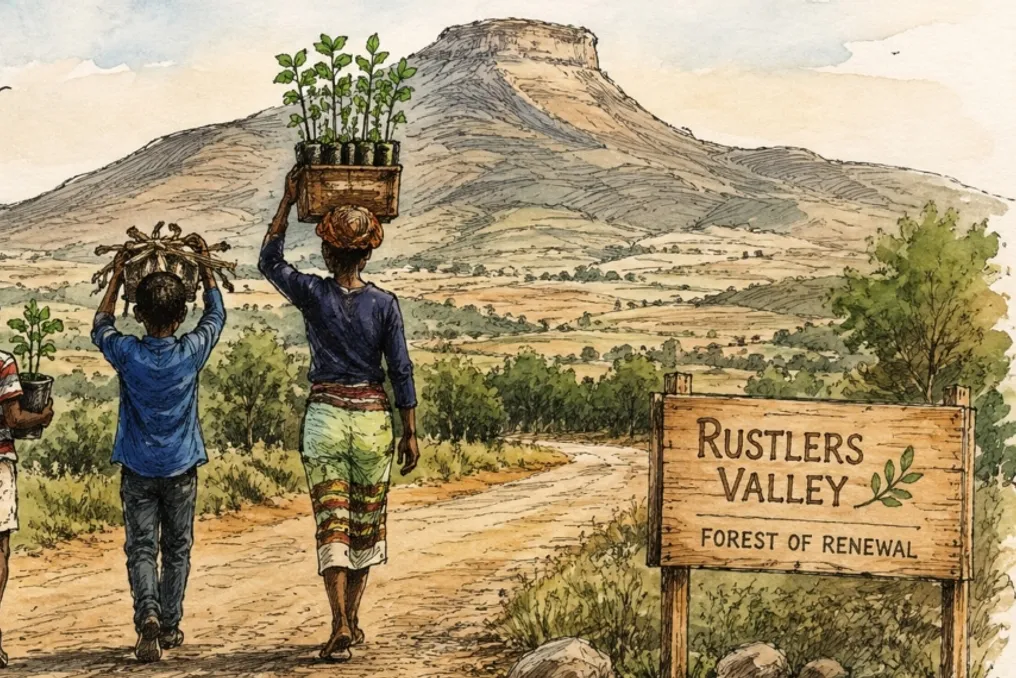
With the launch of the Rustlers Valley Memorial Forest in the eastern Free State this weekend, Ivory Price examines why this bold vision may offer lessons not only for agriculture but also for the future of South Africa.
For a long time, South Africa has viewed environmental decline, mental health issues, fractured communities, and youth unemployment as separate crises. Government agencies address them in isolation, NGOs compete for funding, and businesses invest in fragmented projects. However, anyone who spends time in rural South Africa knows that these problems are closely interconnected.
When land is depleted, livelihoods disappear. When opportunities fade, hopes follow. And when hope is lost, communities begin to break down. This is why the Renewal Forest, emerging in Rustlers Valley, deserves attention that goes far beyond its impressive location.
This project is not just a tree-planting event in honor of Mandela Day; it is a living tribute woven from the legacies of three South Africans whose lives intersected in Rustlers Valley in vastly different ways.
Founder Frik Grobler believed that landscapes could inspire entirely new ways of life, farming, and creativity. Anton Chaka dedicated his life to the people of the nearby village of Naledi, defending land, dignity, and collective responsibility. Today, his legacy lives on through his daughter Mukho Chaka, a prominent advocate for regenerative agriculture. Riky Rick, the singer-rapper, reminded the generation that belonging and vulnerability are not weaknesses, but inherent elements of hope. Their stories together form the foundation of this remarkable initiative.
Today, Professor Koshek Seuchurran, Director of the Rustlers Valley NPC Foundation, guides this vision. With support from Kagiso Trust and a growing community of supporters, he and his team are transforming these intertwined legacies into a living landscape where ecological restoration, creativity, leadership, and human well-being converge. Instead of building statues, the Renewal Forest invites people to plant something that will continue to grow long after they are gone. There is a deeply agricultural meaning in this idea.
Farmers know that regeneration is never just about getting a better harvest. It is about leaving the land in a healthier state than when it was found, restoring soils, protecting water, rebuilding biodiversity, and creating opportunities for future generations. The same principle applies to society. Strong communities, like healthy farms, require patience, care, and a long-term vision. This philosophy lies at the heart of regenerative agriculture. Healthy soil yields healthy food. Healthy ecosystems support sustainable communities. Long-term stewardship always surpasses short-term exploitation.
At the center of the initiative is the Camino of Renewal—a walking trail through forests, meadows, and regenerative landscapes, where the values embodied by Grobler, Chaka, and Riky Rick—imagination, care, and belonging—serve as guiding principles on the path to renewal.
Some might consider such an idea idealistic. Perhaps that is why it is so important. South Africa has become remarkably good at describing its problems. What it lacks is places where people can feel hope. Agriculture has always understood the power of place. Farms are more than production units; they are homes, classrooms, ecosystems, and communities. Rustlers Valley has long embodied this spirit, attracting people who believed there was another way to coexist with the land, rather than simply extracting from it.
The Renewal Forest builds upon this legacy, recognizing another truth that agriculture instinctively understands: conservation cannot succeed without people. By uniting ecological restoration with the development of leadership skills, youth entrepreneurship, regenerative agriculture, traditional knowledge, creativity, and mental well-being, it presents a holistic vision of sustainability.
The launch this weekend will not solve the country's problems overnight. Trees take years to mature. Communities require constant investment. Trust grows slowly. But agriculture has always taught us that significant changes happen season after season through patient management and faith in the future. Under the enduring legacy of Frik Grobler, Anton Chaka, and Riky Rick, and guided by Professor Koshek Seuchurran, the Rustlers Valley NPC Foundation and partners like Kagiso Trust, the Renewal Forest has the potential to be more than just a memorial site. It can become a living testament to a simple yet powerful truth: restoring the land, renewing communities, and healing the human spirit are the same journey. Because hope, like agriculture itself, is ultimately what we cultivate.