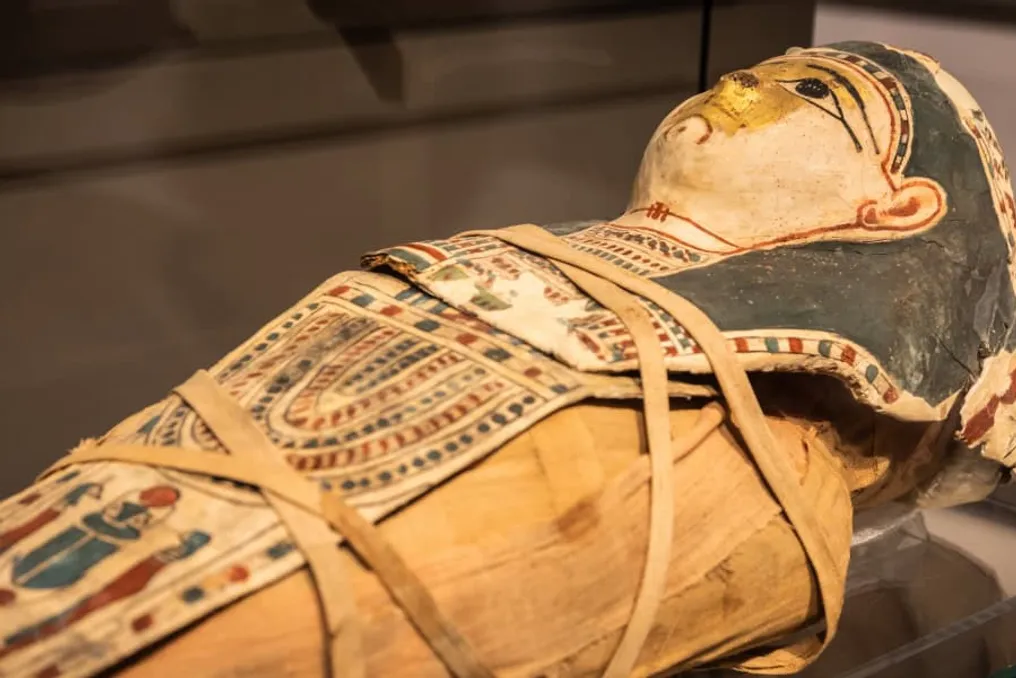
Scientists studied the remains of six individuals discovered in the Dashur necropolis. These remains, dating from between 1850 and 1700 BCE, belonged to King Amutibre Hor, four princesses, and one other woman.
Results of Anthropological Analysis
The study, published in the journal Frontiers in Environmental Archaeology, demonstrated that women from the Egyptian royal family likely practiced archery regularly and possibly other military exercises, as indicated by changes on their bones.
Historical Context of the Findings
The Dashur necropolis is located near Cairo and is part of ancient Memphis, which long served as the capital of Ancient Egypt. This complex includes numerous elite tombs and pyramids built during the Old, Middle Kingdoms, and the Second Intermediate Period. Among the known structures are the Bent Pyramid and the Red Pyramid, the construction of which is attributed to Pharaoh Sneferu, founder of the Fourth Dynasty.
Excavations and Identification
Systematic excavations in Dashur were conducted in the late 19th century by the Frenchman Jean-Jacques de Morgan, who headed the Supreme Council of Antiquities of Egypt. Under his direction, researchers worked in the pyramids of Amenemhat II and Amenemhat III and their surroundings in 1894–1895. It was there that the undisturbed tomb of the Thirteenth Dynasty king Amutibre Hor (18th century BCE) and the burial of several members of the royal family, including princesses Nub-Hotep, Itu, Henmet, and Itaveret, were found.
Details of Skeleton Study
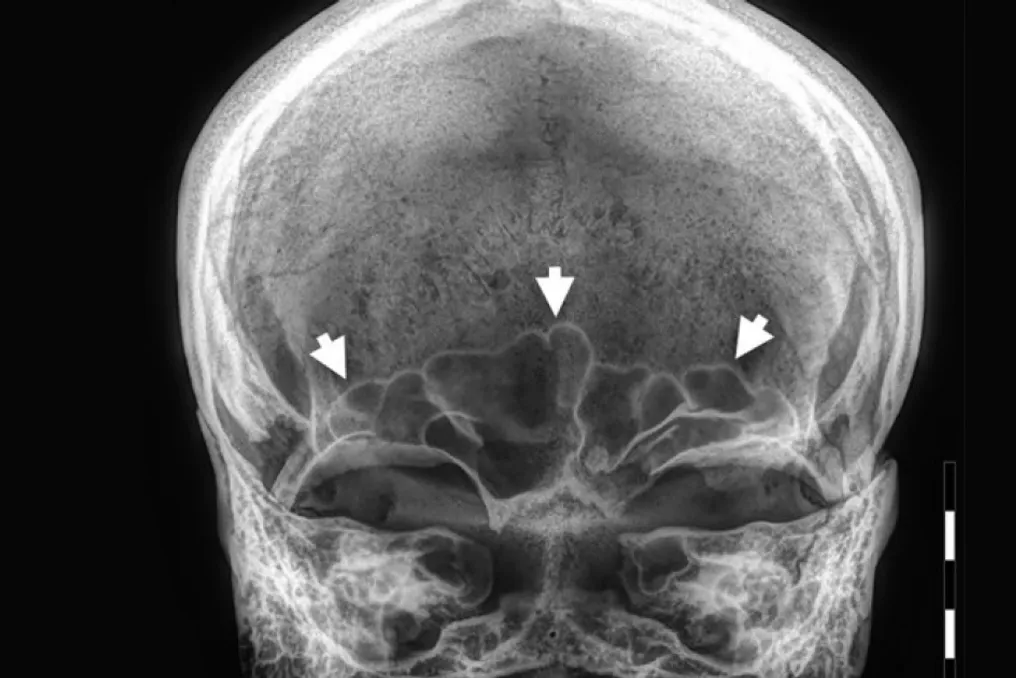
Zainab Hashesh from Ben-Suef University, together with colleagues from the UK and Egypt, presented the results of the analysis of the remains of King Amutibre Hor, four princesses, and one other woman. Anthropological and paleopathological analysis allowed for an assessment of the level of physical strain, as well as the study of black substance found on the bones of five out of the six individuals. Researchers determined that the oldest in this group were King Amutibre Hor and Princess Nub-Hotep, who lived for about 40–44 years, while the youngest woman died at over twenty years of age.
Mummification and Burial Practices
Traces of resins used by embalmers were found on the bones of five known individuals. Fourier-transform infrared spectroscopy showed that in all cases it was resin, but only juniper resin was identified on the bones of Princess Itu, while in the other cases it was a mixture of frankincense and juniper resin. The authors suggest that these resins were brought to Egypt from southern regions such as Nubia or Punt.
Physical Condition and Military Skills
Bone analysis showed that belonging to the elite did not protect people from childhood physiological problems; traces of healed injuries, degenerative diseases, and congenital anomalies were observed on the remains of many, including the king. Nevertheless, the most attention was drawn to the discovery of signs of regular and serious physical exertion in the king and several princesses. According to the authors, Egyptian princesses of the Middle Kingdom or Second Intermediate Period regularly trained in archery and other combat exercises. This opinion is supported by the findings of weapons in the burials: a set of bow arrows was found in Nub-Hotep's tomb, and a bronze dagger with an ornate handle was found in the burial of Princess Ita.
>