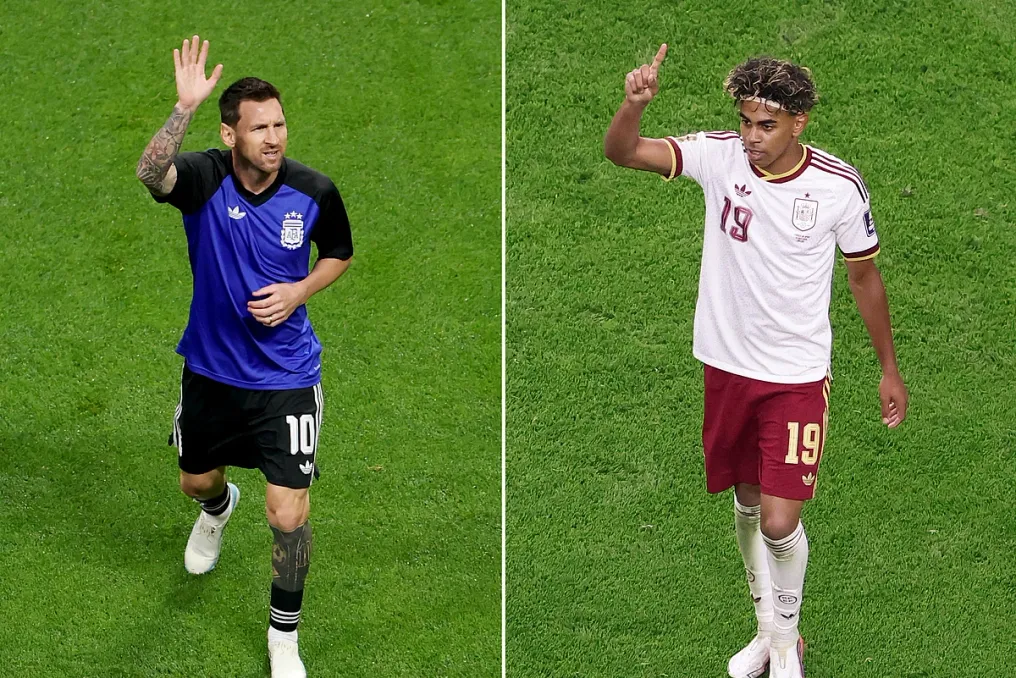
As Spain and Argentina prepare for the battle for the main football trophy, thousands of workers across the United Arab Emirates are developing their own plans to watch the final that are not tied to stadiums or official fan zones, but rather depend on the availability of a screen.
Alternative ways to watch the match
Some workers follow the game while taking taxis, and couriers may watch the match while waiting for orders. Others only manage to see small segments during their shifts. In Jebel Ali, workers living in worker accommodations are turning this event into a community gathering by organizing a screening on a projector so residents can watch the final together.
In various parts of Dubai—in residential blocks, restaurants, common areas, and on work sites—alternative measures are being taken to ensure that workers do not miss this historic football event.
Organizing screenings in cafes
At Cafe Taxi in Garhoud, manager Nawaz Ahmad organized a viewing after numerous requests from regular customers, who are predominantly taxi drivers, couriers, and logistics staff. These individuals usually visit the cafe in the evening or late at night after finishing their shift.
Ahmad noted that customers previously watched football on their mobile phones. He decided that watching together would allow them to enjoy it more. According to him, the idea came directly from customers who were looking for a place to watch the game without having to go to an expensive fan zone or sports bar.
Watching in short intervals
For Aderemi, a Nigerian taxi driver working the night shift, watching the football match rarely means sitting in one place for 90 minutes. Living near Al Quoz, he often watches games in short bursts while moving around Dubai. He might watch a match for 20 minutes in a cafe, then drive off to pick up a passenger or drop them off, and afterward stop at another restaurant to see the next part of the game.
During previous matches, he stopped at restaurants and cafes in Al Quoz, Garhoud, and Murrakabat. He also watched in shisha cafes when allowed to stay for a few minutes. He emphasized that many establishments throughout Dubai allow taxi drivers and other night-shift workers to watch major football matches. He expects the same pattern to be followed for the final—watching whenever his schedule allows a short break.
Watching while waiting for orders
Couriers face a similar problem. Shahid Khan, a courier from Pakistan, reported that major football matches often increase the number of food orders, making them busier than usual. Instead of watching the entire match, they watch it wherever they stop. When picking up an order at a restaurant, couriers may wait 10–15 minutes, often standing near a television to watch the game.
Khan said that during matches, they usually have many deliveries, so they are constantly on the move. While waiting for food, they watch whatever part of the match they can. Some couriers mentioned that customers invite them to watch the game for a few minutes after delivery. The courier added that sometimes people allow them to watch the game at their homes, and they can stay for about 10 minutes before proceeding with the next delivery. When things slow down, couriers often stop at the nearest cafe where other drivers and workers gather. They sit together, order a cup of Karak, and watch until the next order comes in.
Community viewing in Jebel Ali
In Jebel Ali, workers from one worker accommodation complex are preparing for a larger community viewing. Sahel, who helps manage the camp, reported that they are organizing a screening of the final on a projector. Many workers are expected to gather after their shift. Unlike taxi drivers and couriers, who might only see parts of the match, those in the residential complex will be able to watch the final in its entirety together. This viewing is expected to attract fans of both teams: some will support the defending champions Argentina, and others will support Spain. Similar viewings are being organized in other worker accommodation complexes, where football matches provide an opportunity for workers from different countries to spend time together after work.