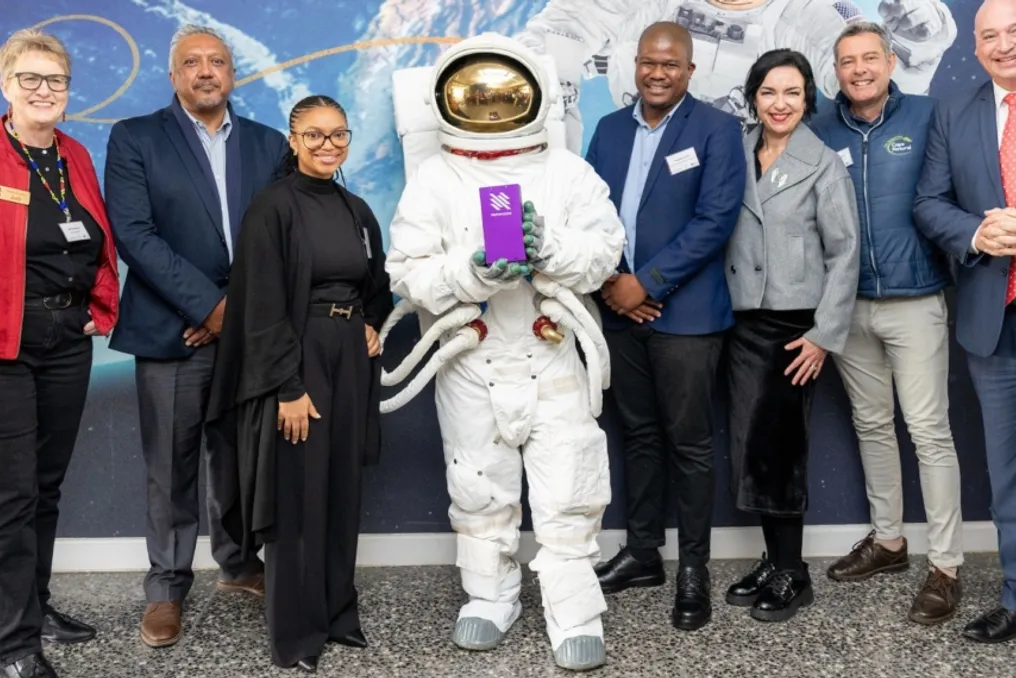
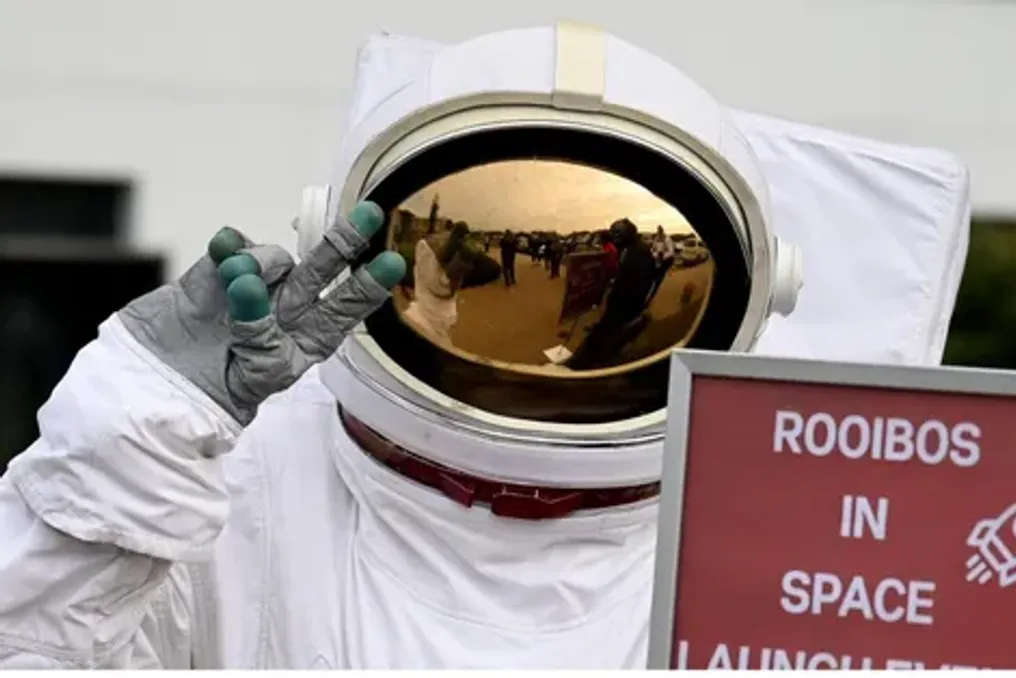
As part of the 'Rooibos in Space' program, rooibos seeds will be launched to the International Space Station (ISS). This project will be the first initiative of its kind from South Africa.
Space Expedition
In October, rooibos seeds will be delivered to the ISS, located approximately 400 km above Earth. They will spend several weeks there, exposed to microgravity and cosmic radiation. When the plants return early next year, they will be compared with identical seeds that never left Earth.
Scientific Research
Scientists and students will compare how these seeds germinate, grow, handle stress, and yield crops. The 'Rooibos in Space' initiative was developed by the South African Rooibos Council (SARC) in collaboration with MaxIQ Space, supported by the South African National Space Agency (SANSA).
Youth Participation
The experiment will be conducted by students from seven schools in the Cederberg area, which is the home of rooibos. Together with local farmers, they collect and analyze data as part of a real scientific study. Among the participants is Grade 8 student Emma Newwood from Morester Academy in Van Rynsdorp.
Emma, who loves rooibos tea with honey, gained a completely new experience through this project. She expressed her astonishment, saying: 'I thought: 'It can't be real.' I was so surprised. But I am also very happy because this is truly a big deal for South Africa and South African agriculture.'
Vision for the Future
Emma has always shown an interest in science, biology, and space. She noted: 'I think the coolest part is that it will fly into space and just be there, among the stars.' She also suggested that this research could help people live beyond Earth in the future, mentioning the project to create a habitable environment on Mars.
According to Emma, the project is important not only because of rooibos but also because it can spark curiosity in other students and encourage them toward a STEM career in the future. She added that a succulent could be proposed as the next object to send into space.
Expert Comments
Tandile Wuntu, Head of Science Engagement at the South African National Space Agency in Germaneuse, emphasized that space science is becoming part of daily life and opening up new opportunities for young people interested in science, technology, engineering, and mathematics. He stated: 'Curiosity breeds innovation. I hope this project proves to these children that nothing is impossible in space.'
Dewey de Villiers, Director of the South African Rooibos Council, noted that the project reflects the industry's commitment to innovation, education, and applied research. He explained that rooibos has long been part of South Africa's agricultural heritage, and this project places it in a broader scientific context where plant biology, space research, and education intersect.
Previously, scientists have grown crops such as lettuce on the ISS and studied the reaction of peas and soybeans to life in microgravity conditions. These studies could potentially help astronauts grow food during long missions and give scientists a deeper understanding of crop growth on Earth.