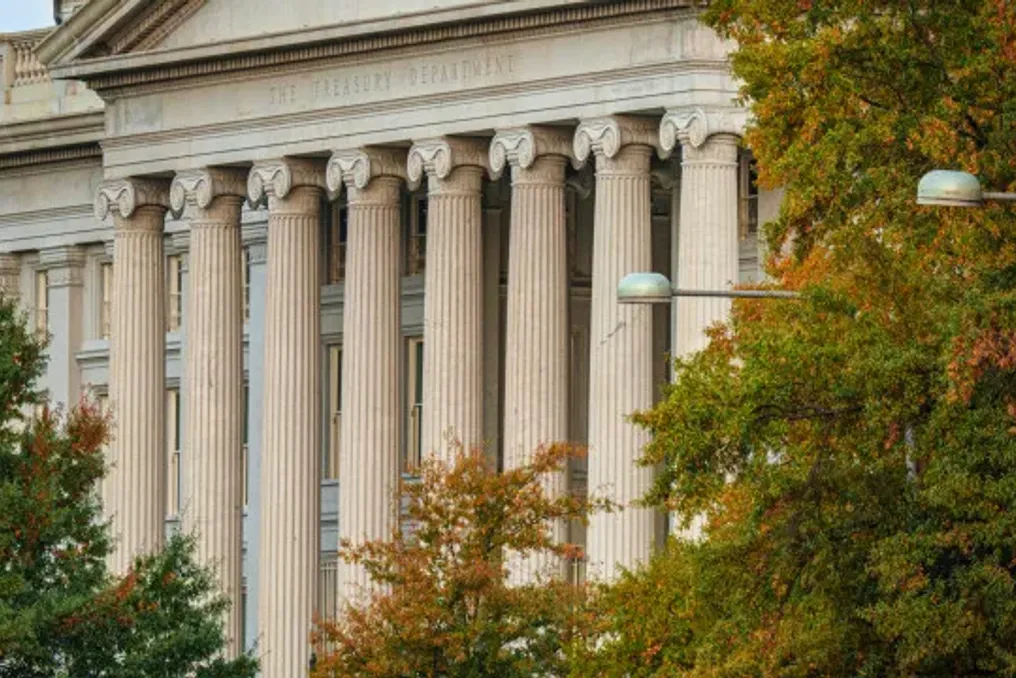
The U.S. Treasury Department confirmed on Friday that it will not renew the executive order signed in July 2020 during the first term of then-U.S. President Donald Trump. This order had been implemented in response to national security legislation imposed by China to restrict political dissent in Hong Kong.
Chinese Reaction and Bilateral Commitments
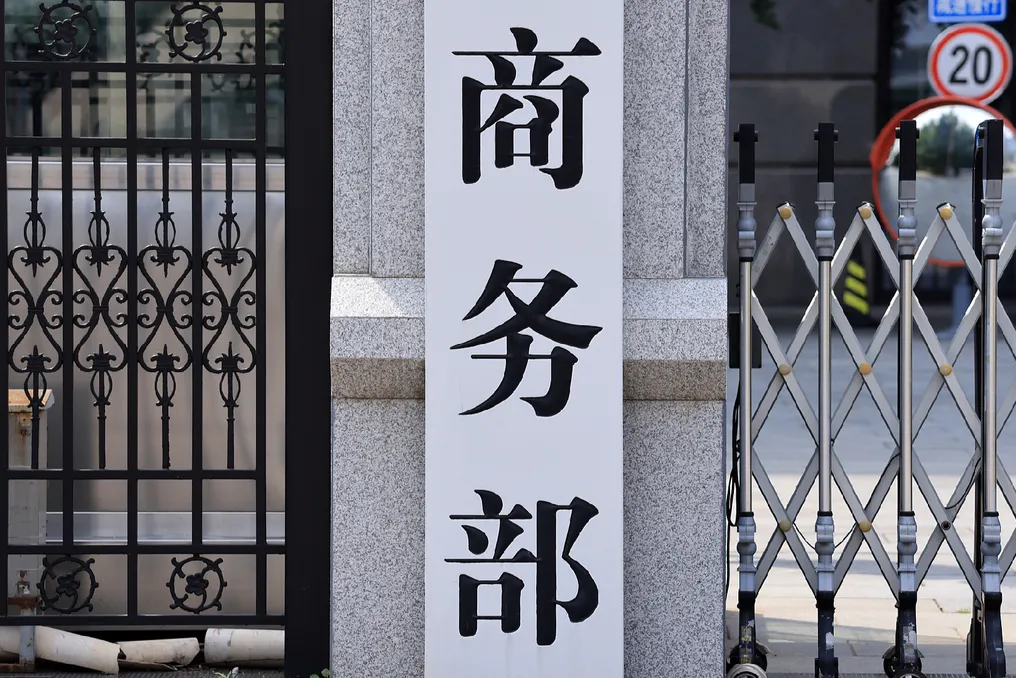
The revocation of this executive order was welcomed with applause by a spokesperson for China's Ministry of Commerce, according to Xinhua agency reports. This minister confirmed the annulment of the executive order this year. He also mentioned that during economic and trade discussions between China and the U.S., held in Madrid last year, the United States made commitments regarding Hong Kong and investments.
The Chinese spokesperson emphasized that maintaining the stability and prosperity of Hong Kong benefits the mutual interests of China and the United States. Furthermore, he observed that the positive adjustment in American policy towards Hong Kong is consistent with the expectations of the international community.
Beijing's Expectations
The Chinese representative from the Ministry of Commerce expressed the expectation that the United States will fulfill the reached consensuses and international conventions, respecting China's sovereignty and the rule of law in the Hong Kong Special Administrative Region. He requested the reestablishment and strengthening of trade and economic relations with the neighboring city of Macau.
This effort, according to the spokesperson, would help build a relationship of strategic and constructive stability between the two powers. For its part, the Hong Kong Government stated in a communiqué that it has perceived a 'positive change in U.S. policy' towards the city, affirming that 'safeguarding the prosperity and stability of Hong Kong serves the common interests of China and the United States and also aligns with the general expectations of the international community.'
Details of the American Decision
On the same Friday, the Treasury Department spokesperson clarified that the sanctions established by the Hong Kong Autonomy Law of 2020 will remain in effect. This law aims to penalize authorities who promote China's policy of limiting the territory's autonomy, and the decision not to renew the executive order aims to avoid duplication of sanctions.
The original 2020 executive order had been justified by the understanding that Hong Kong no longer possessed sufficient autonomy to receive differentiated treatment compared to mainland China under certain legislations. It was last renewed in July 2025, for a period of one year. China had approved the national security law after the protests of the pro-democracy movement in 2019, which was the most relevant political demonstration in that territory since the former British colony returned to Chinese rule in 1997.