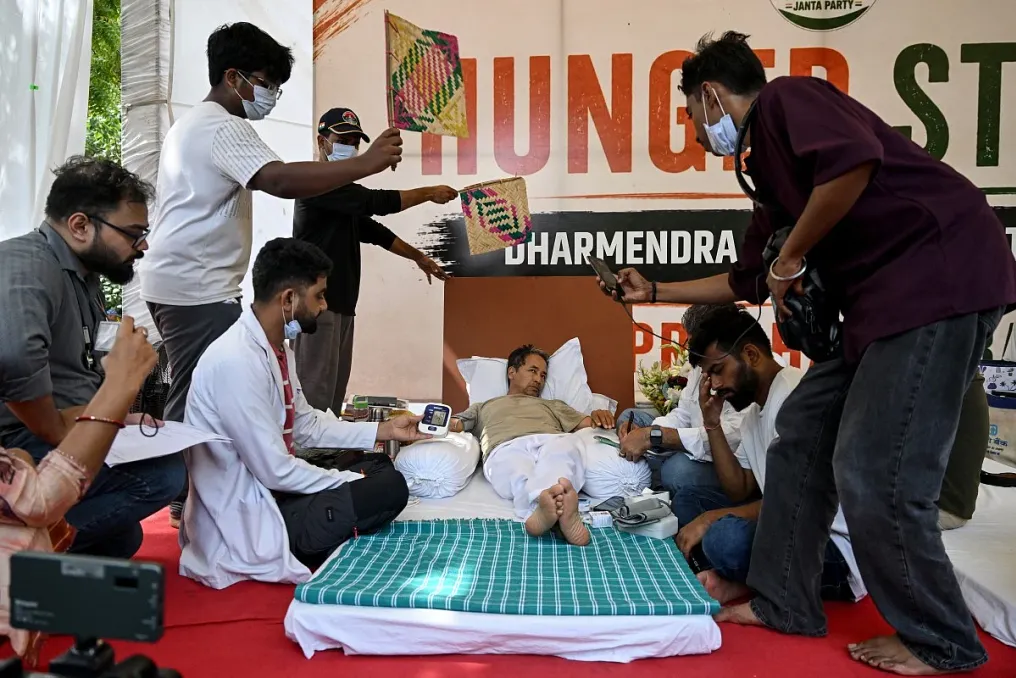
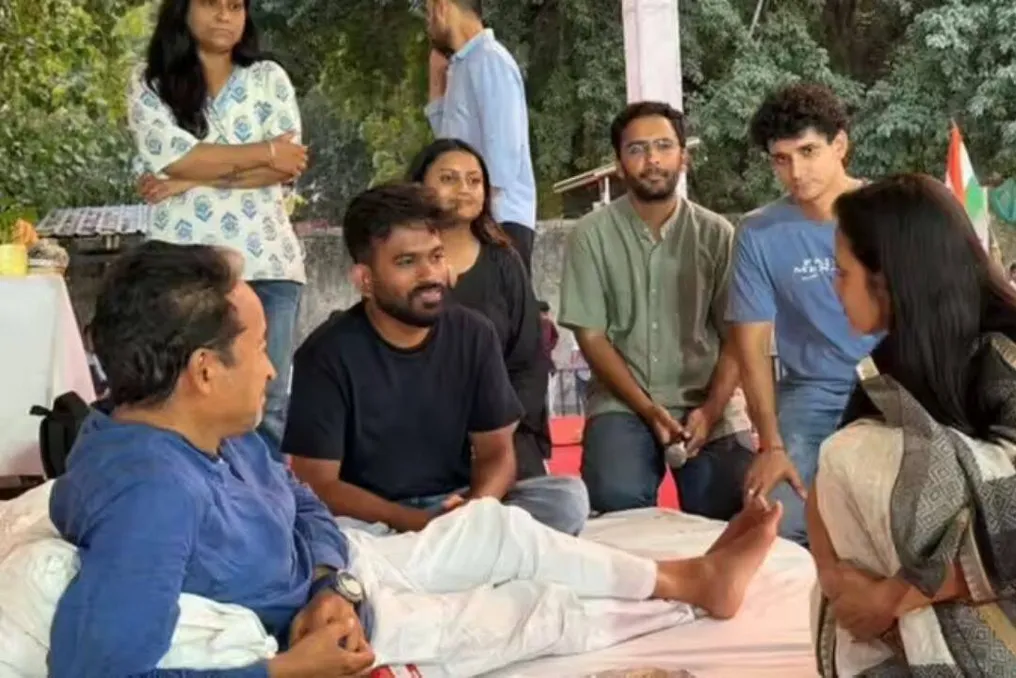
Member of Parliament from the Trinamool Congress, Mahua Moitra, has appealed to climate activist Sonam Wangchuk to end his indefinite fast. Wangchuk's fast, which began against irregularities in exam conduct and the NEET exam material leak scandal, has reached its seventeenth day.
Moitra's Stance and Support for the Protest
In a post on social media platform X, Moitra stated that Wangchuk has achieved his goal because his fast has united the country's youth in the fight for justice. She wrote: 'Sonam Sir, your fast has united the youth of this country in their war for justice. Your goal is achieved. The government does not care about your health or the health of millions of young people. But your health matters to us. Please end the fast and continue the fight.'
Calls from Civil Society Figures
Earlier, on Monday, a group of prominent citizens, including writer Arundhati Roy, actors Nasiruddin Shah and Ratna Pathak Shah, and economist Jayati Ghosh, also called on the hunger strikers to cease their fast. They expressed full support for the protesters' demands regarding the resignation of Union Education Minister Dharmendra Pradhan. In a joint statement, the signatories conveyed 'immense gratitude' to the protesters for leading the action against the government, but voiced serious concern over their deteriorating health.
The statement read: 'We welcome your sense of purpose, determination, and courage with which you are leading this movement for students and youth across the country.' Appealing to the protesters to conclude the fast, they added: 'We ask you to consider immediately ending this fast in the interest of a longer and more complex fight ahead. This battle is a marathon, not a sprint, and we need you, your strength, and your leadership in the coming days.'
Participants' Condition and Criticism
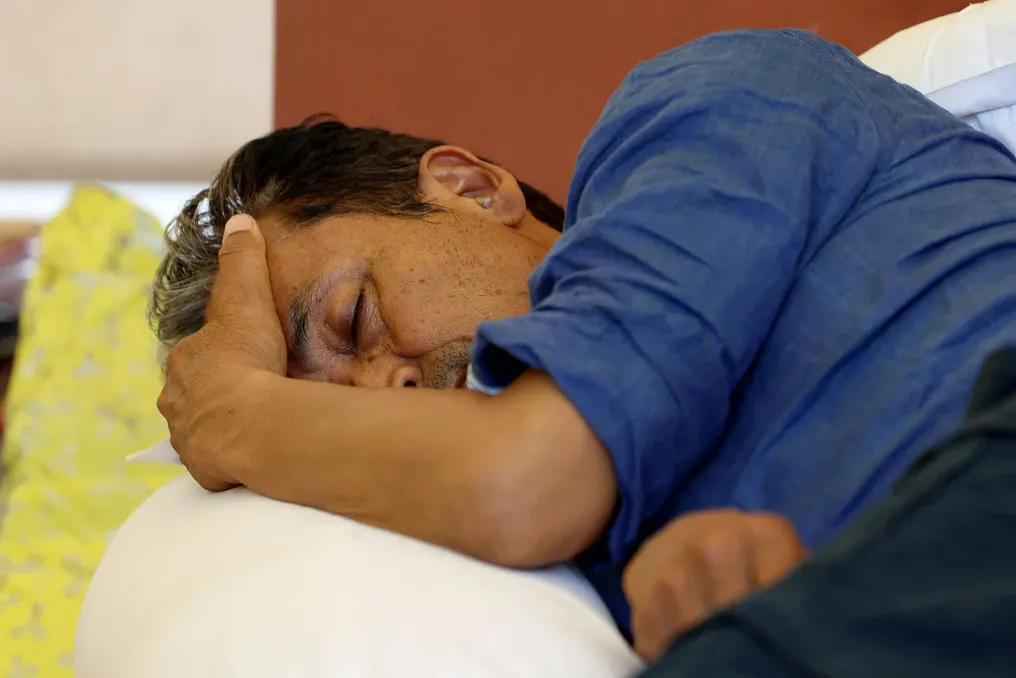
According to organizers, Wangchuk has lost 8.2 kilograms since starting the fast. His latest medical readings showed a blood pressure of 107/70 mmHg and a blood glucose level of 67 mg/dL. Meanwhile, activist AISA Dipak was hospitalized at Ram Manohar Lohia Hospital after his health deteriorated due to a sixteen-day fast. An AISA statement indicated that Dipak had lost about 15 percent of his body weight, and his blood pressure had dropped to 80/40 mmHg in the last three days, prompting doctors to recommend immediate hospitalization due to organ damage risk.
At a press conference, CJP founder Abhijit Dipke raised the question of why the government has not initiated talks with the protesters despite the prolonged action and the worsening health of the fasters. He stated: 'I urge the government not to turn this into an ego battle, as human lives are at stake. Admitting a mistake is not a sign of weakness. It is a sign of maturity, accountability, and willingness to change course. All we demand is accountability.'
Comparison with Past Protests
When Wangchuk's fast entered its sixteenth day, comparisons were drawn to Anna Hazare's 12-day fast in support of the Jan Lokpal movement in 2011. Hazare initially started his fast on April 5, 2011, ending it four days after the then government formed a committee to examine his demands. In August 2011, Hazare started another fast that lasted 12 days. When asked why Wangchuk and others were still fasting while Hazare's 2011 fast ended after 12 days, Dipke replied: 'That was a different India... In today's India, human lives are not valued.'
He also criticized the government for showing no concern for the health of Wangchuk, a recipient of the Magsaysay Award, a renowned educator and innovator. The CJP action began on June 20, and Wangchuk joined the movement on June 28, remaining on an indefinite fast since then.