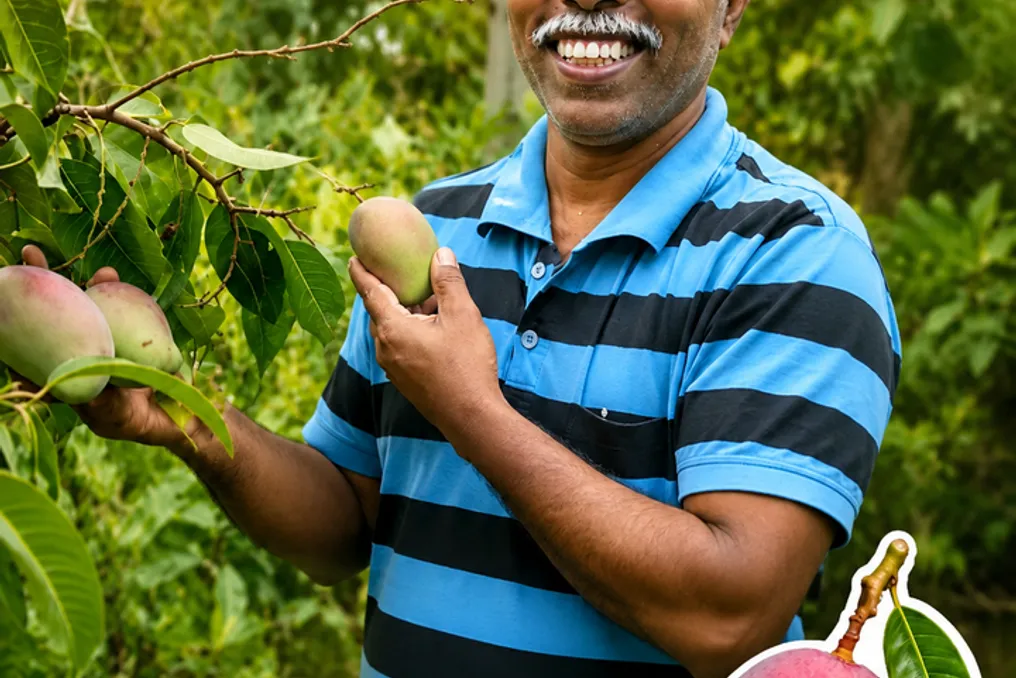
Most people throw away mango seeds without thinking about it, but Jasmit Singh Arora collects them. This man, known as the 'Guthi Man of India,' is contributing to the development of fruit orchards and the restoration of green cover across India.
Most people throw away mango seeds without thinking about it, but Jasmit Singh Arora collects them. This man, known as the 'Guthi Man of India,' is contributing to the development of fruit orchards and the restoration of green cover across India.
During his travels through the villages of West Bengal, he met farmers who were facing issues with poor soil, declining incomes, and unpredictable harvests. He was looking for a long-term solution that could benefit future generations.
He considered what would happen if every discarded mango seed turned into a fruit tree. Farmers could earn income from the orchards for many years, and new trees would begin to grow across the country.
When Jasmit started collecting mango seeds in 2019, people laughed at him. As he recalls, even his friends did not understand why he was collecting mango seeds, but he had his own vision.
The situation changed after a video featuring his daughter. Soon, schools, families, soldiers, and juice vendors from all over India began sending mango seeds. In one season, more than 1.1 million seeds were collected.
These seeds germinate, grow into healthy saplings, and are grafted with local mango varieties. This approach allows each tree to adapt to where it will be grown. The saplings are given to farmers free of charge along with consultations on organic farming.
This improves soil condition, reduces the use of chemicals, and provides farmers with an additional source of income. From a small number of collected guthis to over eight hundred thousand fruit tree saplings, Jasmit's idea has turned into a nationwide movement supported by thousands of ordinary people.
The mango tree provides fruit, shade, and shelter for birds. It also sequesters carbon and supports farming families for decades. One seed has the potential to have an impact far beyond a single season.
Next time you eat a mango, do not throw away the seed. By donating it to the Guthi Man, you help turn it into a fruit tree for a farmer. To participate, you can contact 9831459390. Every guthi has the potential to become a forest.
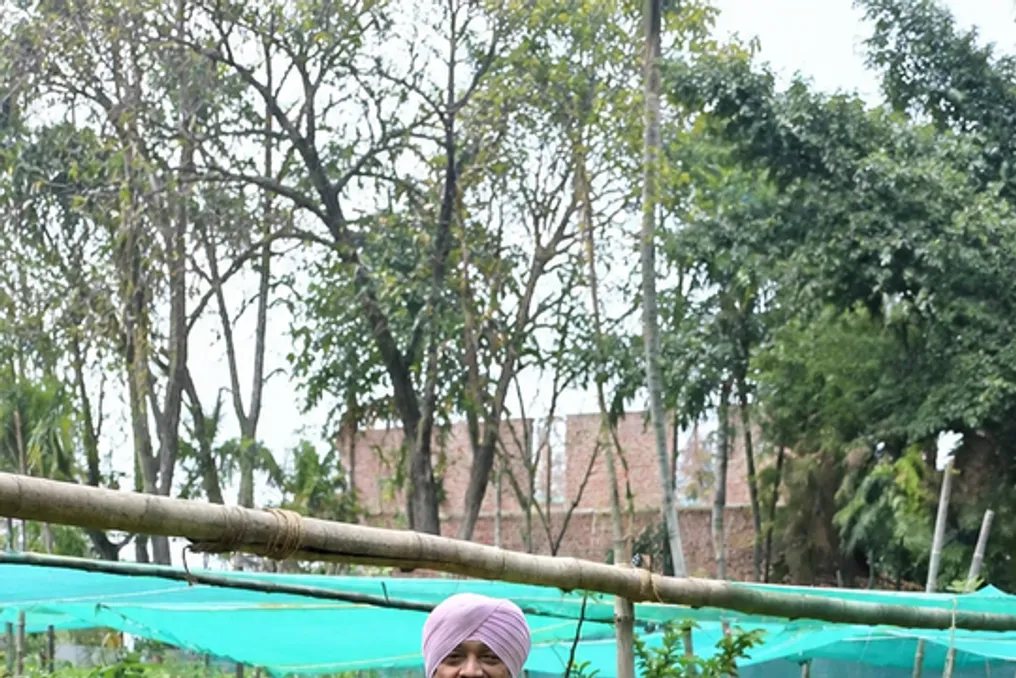
In Udupi, gardener Joseph Lobo cultivates the famous Miyaji mango, which can bring in income of up to 3 lakh per kilogram. Although he always wanted to farm, a family dispute over land prevented him from starting.
Instead of giving up, he decided to use his terrace, turning it into his dream garden. By acquiring new knowledge through YouTube videos and conducting numerous experiments, Joseph gradually filled his terrace with fruit trees, flowering plants, and vegetables, proving that realizing a hobby requires space, not vast fields.
Today, his rooftop hosts over 200 types of plants, including mummy fruits, chikoo, and mango, as well as 32 jasmine plants, three of which are grown using hydroponics. After successfully growing several rare fruits, he decided to try something even more unusual—the Miyaji mango, despite knowing the difficulty of growing it in India.
The Miyaji tree finally bore fruit after three and a half years. Initially, Joseph and his family simply enjoyed the mango they had waited so long for. The truth about the immense value of these fruits was only revealed after a guest visited his garden. According to the gardener, it was a reporter from a news publication who covered his terrace farm and learned about the mango's value.
The gardener fertilizes his plants with homemade fertilizer made from cow dung, sheep manure, yogurt, and food waste. To combat pests, he avoids chemicals, instead using neem oil. Despite the astonishing cost, Joseph does not intend to sell the mango, stating that it is intended for his family and friends. Instead, he shares grafted saplings with other gardeners.