The Four Seasons Hotel at Embassy One in Bengaluru showcases the creativity of the city through its art and design elements. This approach allows hotels to evolve into cultural centers that deeply connect with creative communities.
The Four Seasons Hotel at Embassy One in Bengaluru showcases the creativity of the city through its art and design elements. This approach allows hotels to evolve into cultural centers that deeply connect with creative communities.
Through carefully considered interior designs, curated exhibitions, and commissioned artworks, the hotel elevates the guest experience and storytelling. Such a strategy positions the establishment not merely as a place for lodging, but as a significant creative landmark where the worlds of culture and hospitality merge. Areas like lobbies, lounges, courtyards, elevators, and corridors are designed to function as adaptable venues capable of hosting exhibitions and collaborative projects.
The incorporation of regional aesthetics alongside handcrafted details helps convey a sense of authenticity while upholding the high standard of elegance expected from a luxury hotel. By prioritizing innovation in spatial design, the hotel successfully creates highly memorable gathering spots.
A prime illustration of this concept is found at The Four Seasons Hotel at Embassy One, Bengaluru, which houses original pieces from over 25 contemporary Indian artists. Biswajit Chakraborty, the hotel’s general manager, stated to YourStory that every installation was deliberately chosen to narrate stories about the city, societal shifts, and the connection between humanity and nature. He further explained that the collection serves to forge meaningful ties with the destination, making art an intrinsic element of every guest stay, rather than just being decorative.
The hotel's architectural vision was developed by the acclaimed studio Yabu Pushelberg, focusing on the concept of the fractured grid. The firm conceived the hotel as a residence for an art collector, blending an eclectic mix of international modernism and Indian heritage. The property itself occupies two towers in the center of Bengaluru, integrating expansive stone-filled areas with both local and global influences.
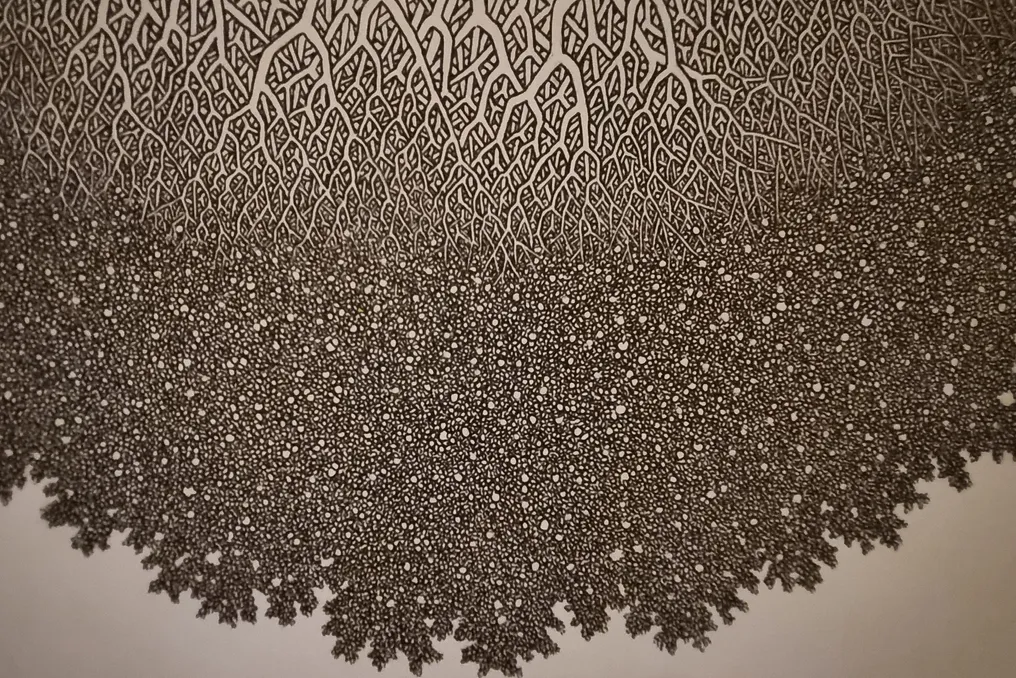
The roster of artists featured includes Saju Kunhan, Thukral & Tagra, GR Iranna, and Sucheta Ghadge. Manjunath Kamath’s large ceramic discs reflect the culture and philosophy of ancient Southern Indian dynasties, while Sumedh Rajendran employs provocative imagery to address themes of development using skeletons and animals. Prakash Ghadge’s artwork, characterized by tonal variations using dots and dashes, is noted for inducing deep observation, contemplation, and meditation in viewers.
The Four Seasons Hotels, founded in Toronto, have expanded into a worldwide luxury brand boasting over 120 locations globally, alongside private jets and yachts. Their core principle remains treating others as they wish to be treated. Chakraborty affirmed that the hotel’s philosophy has remained constant for over sixty years, emphasizing that true luxury is defined by how individuals are treated since 1961.
The Mumbai property opened in 2008, followed by the Bengaluru location in 2019. Chakraborty noted that both establishments share the same dedication to genuine care and intuitive service. At the Bengaluru site, this philosophy manifests through hospitality, art, and experiences celebrating the spirit of Bengaluru while retaining the unmistakable identity of Four Seasons.
The guest experience within the living gallery has been meticulously planned. Chakraborty described how a gradual transition is created from the fast pace of the city upon arrival to a tranquil and personal haven within the guest rooms, moving through public spaces. He highlighted that Bengaluru is inherently a city where creativity and innovation thrive, serving as India's high-tech capital where tradition meets modern thought.
Exhibitions are presented in the designated Art gallery, curated by CUR8, which also hosts literary workshops. These events gather writers, artists, and thought leaders to discuss topics such as hospitality, literature, culture, and storytelling. Beyond art and literature, the hotel offers various culinary pop-ups and immersive dining experiences to introduce guests to diverse global cultures and traditions.
Chakraborty emphasized the goal of allowing guests to experience Bengaluru through the hotel, citing the art collection, dining, wellness options, cultural programs, and interactions with staff. Each month, the hotel's gallery changes its theme, focusing specifically on promoting Indian artists to guarantee a fresh and authentic cultural encounter with every visit. Artists featured in the last year include Yusuf Arakkal, V Hariraam, SG Vasudev, and CS Krishna Shetty. Furthermore, a partnership with MeMeraki showcased eight Indian art forms, ranging from Pattachitra to Thangka paintings.
More recently, CUR8 hosted an exclusive presentation by artist-designer Jeena Raghavan, recognized for her textured canvases that combine abstraction with magical realism. The Vilasa exhibition is currently running until the end of July, featuring artists like Arunava Mandal and Gautam Bansal, with works such as The Brahma Kamals and Cartography of Forgotten Dreams on display. Additionally, Vietnamese cuisine is celebrated alongside contemporary Vietnamese art by Phan Hong Thanh, Duc Viet, Phan Van Thanh, and Minh Du, capturing daily life, nature, spirituality, and cultural heritage.
The hotel also provides a range of gastronomy, wellness, and mixology services; for instance, the Copitas cocktail bar will host an exclusive event by Nouvelle Vague, recognized among the world's top 50 bars. Ultimately, Chakraborty concluded that the hotel aims to be more than just a dining spot, striving to be a venue where guests celebrate the creative energy that defines Bengaluru.
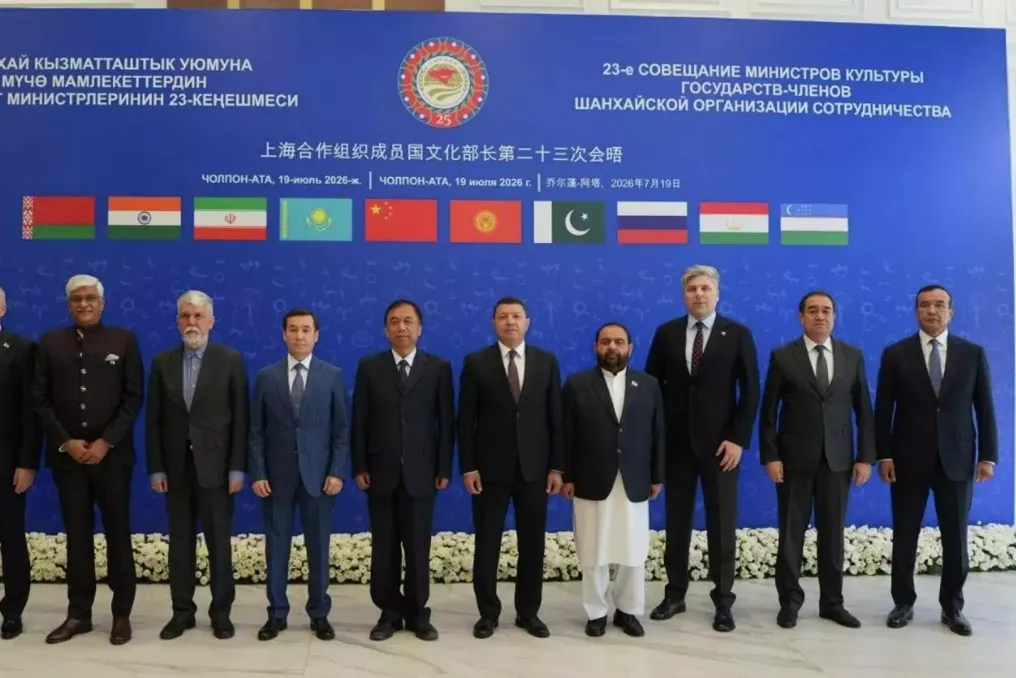
The delegation of Uzbekistan is participating in the 23rd meeting of culture ministers of the member states of the Shanghai Cooperation Organisation (SCO), which is taking place in the city of Chulponat, Kyrgyzstan.
This meeting discusses issues of expanding joint projects, international events, and cultural exchange among the SCO member countries. Representatives of relevant cultural departments from Belarus, India, Iran, Kazakhstan, China, Kyrgyzstan, Pakistan, Russia, Tajikistan, as well as Uzbekistan, are participating in the event.
Mirbek Mambetaliyev, Minister of Culture, Information and Youth Policy of Kyrgyzstan, emphasized that culture serves as an important spiritual bridge uniting peoples within the SCO. He stated that the 'Spirit of Shanghai,' based on mutual respect and recognition of cultural diversity amid global changes, is a reliable guarantee of stability, trust, and peaceful life in the macro-region.
Mambetaliyev also recalled the recent SCO media forum in Kyrgyzstan, which involved about one hundred leaders of leading media outlets, information agencies, and digital platforms. According to the minister, this forum laid the foundation for joint combating of fake news, developing new ethical standards for journalism, and forming a common professional information environment.
The adoption of a final protocol based on the results of the meeting is expected, as is the determination of further sustainable directions for cultural cooperation within the SCO. As part of the program of events in Chulponat, an international film festival of SCO countries, a concert of artists, and a gala concert were also organized. Chulponat has been declared the SCO's tourist and cultural capital for the period 2025–2026.
For a long time, the city of Troy was considered purely fictional. However, there is historical evidence suggesting that the epic poems may have a basis in truth.
The work 'The Odyssey,' the most recent adaptation of Homer's epic poem, narrates the journey of Odysseus, king of Ithaca, who takes ten years to return home after the victory in the Trojan War. Part of this conflict between Greeks and Trojans is reported in both 'The Odyssey' and 'The Iliad,' another great Homeric poem. Stories about this event were part of the Epic Cycle in Ancient Greece, although today only fragments of these texts remain.
Oral tradition about the Trojan War circulated for centuries before being recorded by Homer, around the 8th century BC. There is a debate about Homer's existence, as he might have been a specific person or a name used by a group of writers. Regardless, when the poems emerged, the story was already ancient. According to the narrative, the Trojan War occurred around 1200 BC, while 'The Iliad' and 'The Odyssey' were written approximately five hundred years later.
According to legend, the conflict began when Paris, a prince of Troy, abducted Helen, the most beautiful woman in the world and wife of Menelaus, king of Sparta. In another version, Helen fled voluntarily with Paris. The Greeks, who lived in independent kingdoms, united in an alliance to invade Troy and rescue Helen. The Greek army included heroes such as Achilles and Odysseus, king of Ithaca, under the main command of Agamemnon, king of Mycenae.
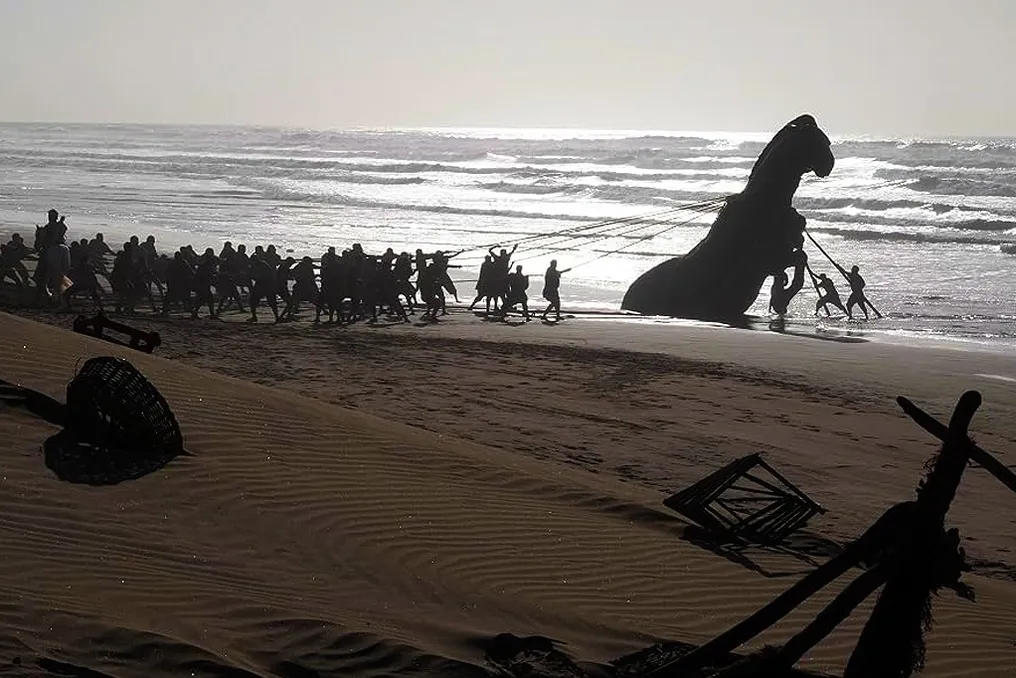
Troy, a fortified city, resisted the Greek attacks, resulting in a ten-year siege. The war ended with the famous Trojan Horse trick, which allowed Greek warriors hidden inside to enter the city. With this strategy, the Mycenaeans won, recovered Helen, and destroyed Troy.
The Trojan narratives contain many mythological elements, with the gods of Olympus intervening directly in the war, classifying them as fiction. However, the question raised is whether they were inspired by real events. In Ancient Greece, the poems were seen as fantastic narratives, but based on real life, implying that the Trojan War actually happened. This view persisted until the Middle Ages. However, the opinion began to change in the Modern Age, starting in the 17th century, when scholars began to doubt the veracity of the accounts, questioning not only the war but also the very existence of the city.
This perspective changed at the end of the 19th century, thanks to Heinrich Schliemann, a wealthy businessman. The German fervently defended the historicity of the Homeric works and searched for the ruins of Troy to prove his thesis, even without formal training in archaeology, a field still nascent.
Schliemann traveled to the archaeological site of Hisarlik, on the west coast of Turkey, where rumors of ancient ruins already existed. He began excavations in the 1870s and surprisingly discovered a lost city, actually nine cities built upon previous ones. The site was inhabited for about three millennia, generating nine archaeologically datable 'layers' with some precision.
Schliemann claimed to have found Troy and pointed to Layer 2, the second oldest, as the specific location of the conflict. Currently, most historians and archaeologists agree that he discovered Troy (the name used as a synonym for Hisarlik), but they note a discrepancy: the second layer was much older, a thousand years before the supposed conflict.
Later analyses indicated that the layer temporally corresponding to 'The Iliad' and 'The Odyssey' is Layer 7. If a war occurred, its traces are there. The sixth layer, preceding the seventh, could have inspired Homer because it was richer, but it was destroyed by an apparent earthquake.
Schliemann is a controversial figure in archaeology due to his questionable methods, such as the use of dynamite for excavation, which caused destruction in many layers. Furthermore, he did not document everything in detail and tended to neglect items such as ceramics. His focus on Layer 2 resulted in damage to the upper layers, including Layer 7, associated today with the Trojan War. Despite this, researchers managed to excavate it and find relevant findings.
Layer 7 of Troy shows signs of war around 1200 BC, including burned structures, unburied bodies (indicating massacre), and fragments of arrows and weapons. Although it is unknown who was responsible for the destruction and no giant wooden horse has been found, the hypothesis that there was a war in Troy that inspired later oral stories is strong. However, there is no consensus, as the archaeological findings are limited, and destruction by natural disaster remains a possibility.
No written documents were found in Troy, nor any Mycenaean primary sources about the event. An important source resides in Anatolia, in modern-day Turkey, where the powerful Hittite Empire existed, an economic and military power of the Late Bronze Age, which recorded many documents.
Although Troy probably was not directly part of the Hittite Empire, it seemed to be a vassal state or within its sphere of influence. Located between the Hittites and the Mycenaeans (proto-Greek civilization), Troy occupied a crucial commercial area. Most historians agree that Troy is mentioned in Hittite documents under the name Wilusa, which offers a second proof of its existence.
Hittite documents report conflicts in Wilusa, but there is never a direct mention of a battle between Mycenaeans and Trojans. One valuable document cites the King of Troy, Alaksandu, who resembles Alexander, another name used by Homer for Paris. However, this does not prove the Trojan War, as Alaksandu existed about a century before the supposed conflict, and he was a king, whereas Paris was a prince who died before ascending the throne. Nevertheless, the record confirms the existence of the name Alexander in the royalty of Wilusa/Troy, reinforcing the possibility of Paris.
In summary, there is no consensus on the Trojan War. The city existed, and there are indications of conflicts, including around 1200 BC. Details are unknown, neither archaeological nor from the Hittite documents. One possibility is that a real Mycenaean-Trojan war was preserved orally and became mythical over time, while another suggests that Homer was inspired by multiple conflicts.
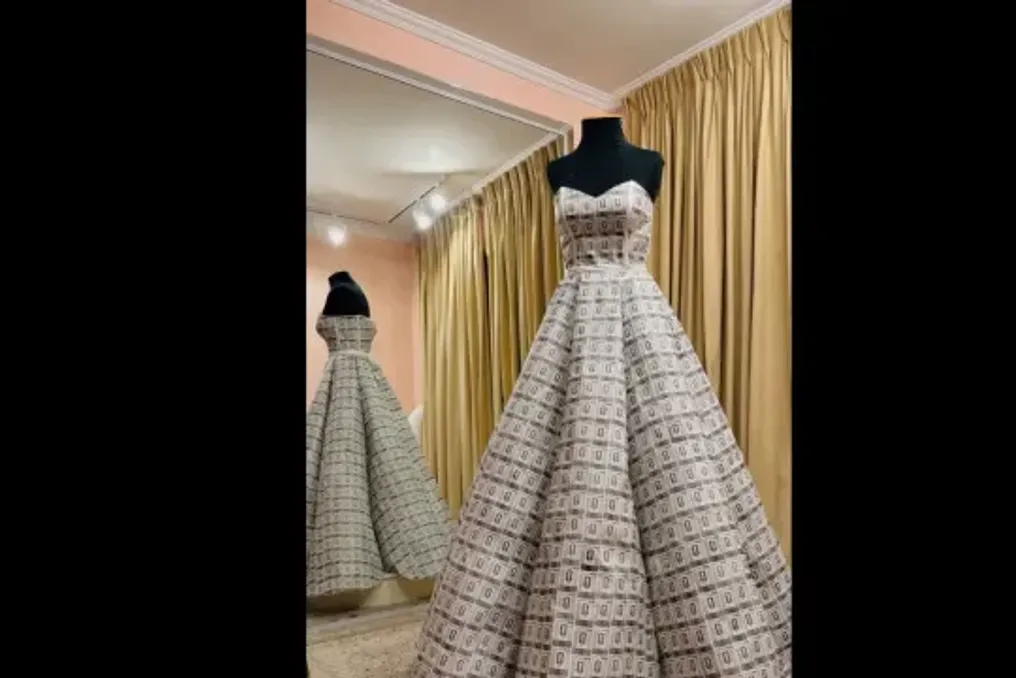
A Brazilian stylist created a wedding dress using about three thousand discarded paper cards featuring participants of the 2026 World Cup.
The idea came after the designer discovered a large amount of material being sent to landfill while her ten-year-old daughter and husband were trying to fill albums. Aline Raguzzoni said that she initially joked with them about creating an album only from framed cards because everything else was going into the trash. However, she then decided they could use this material to create something unusual.
To realize the project, the family asked neighbors and colleagues for help. The stylist's husband suggested requesting materials from school and residential complex parent groups. The daughter brought home packs of paper from school daily. In the end, Aline used approximately 2890 sheets of paper to create the dress, collecting three times more than necessary.
The woman emphasized that this dress is not intended to be worn but is an art installation. Furthermore, the project highlights the importance of recycling, as this material cannot be thrown in regular garbage. After the demonstration, the conceptual piece must be disposed of properly, considering its volume and composition.