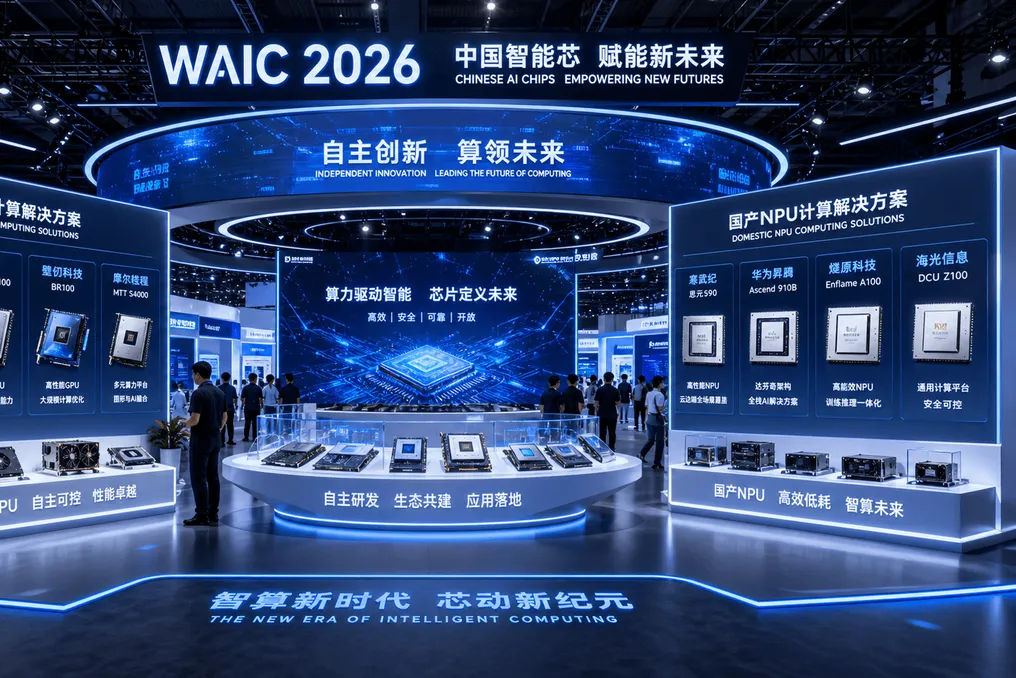
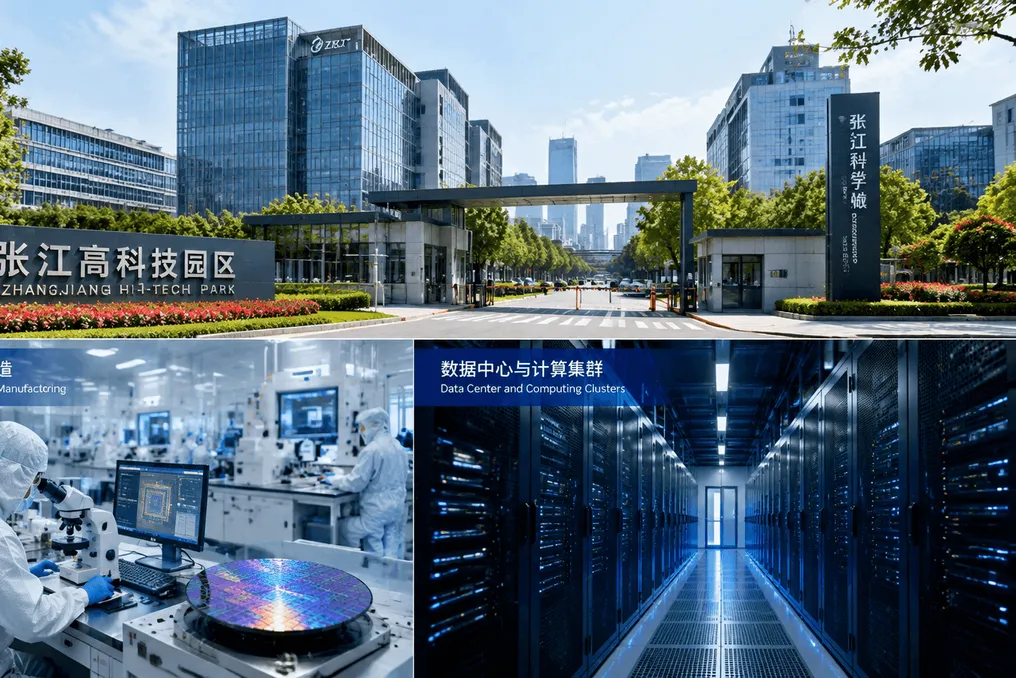
Against the backdrop of global discussions about whether China is experiencing a deficit or surplus of computing power, China's semiconductor center in Zhangjiang, Shanghai, presents a clearer picture: stable and universal computing power remains in acute shortage, with orders for certain chips scheduled for next year and beyond.
Shortage of Universal Computing
Sun Guolian, Product Director at the GPU manufacturer MetaX (MXC series), noted that the shortage is observed regarding universal and reliable computing power. However, there is a surplus in non-universal architectures that can only operate with outdated or highly specialized models. Chips from this company's MXC600 series are supplied in large batches, and next-generation product development is in advanced stages.
Development of Silicon Photonics
Parallel to traditional electronic computing, Zhangjiang positions itself as China's national silicon photonics center. The Shanghai Zhangjiang silicon photonics cluster now unites over twenty companies covering the entire production cycle. Among them stands Lightelligence—the world's first company producing AI silicon photonic chips, which has been listed on the Hong Kong Stock Exchange.
Forecasts and Infrastructure
Shen Yichen, founder of Lightelligence, who holds a Ph.D. from MIT and has previously published in the journal Nature, forecasts that silicon photonic chips will account for over 30% of the intelligent computing center market within five years, compared to less than 3% today. The company has already implemented hybrid optoelectronic solutions in three optical interconnect clusters of a thousand cards, enabling the operation of over 5000 GPUs for 44 corporate clients, including research institutions, internet companies, GPU manufacturers, and AI infrastructure operators.
Ecosystem and Development Model
The Zhangjiang 895 incubator has attracted several developing photonic startups, such as Qisuan Guangqi, specializing in optical chip R&D, and Guangjiu Technology, focusing on photonic technologies. The cluster also includes JCET (Changdian Technology) for advanced packaging and Suzhou Yite for silicon photonics testing, ensuring full coverage of the chain from design to testing.
The Zhangjiang model represents a dual approach to solving China's computing power problem: developing traditional electronic computing to ensure universal reliability while simultaneously creating a silicon photonics ecosystem. This ecosystem potentially offers a breakthrough in optical interconnects, allowing thousands of GPUs to function as efficiently as one chip by transmitting data via optical rather than electrical channels.