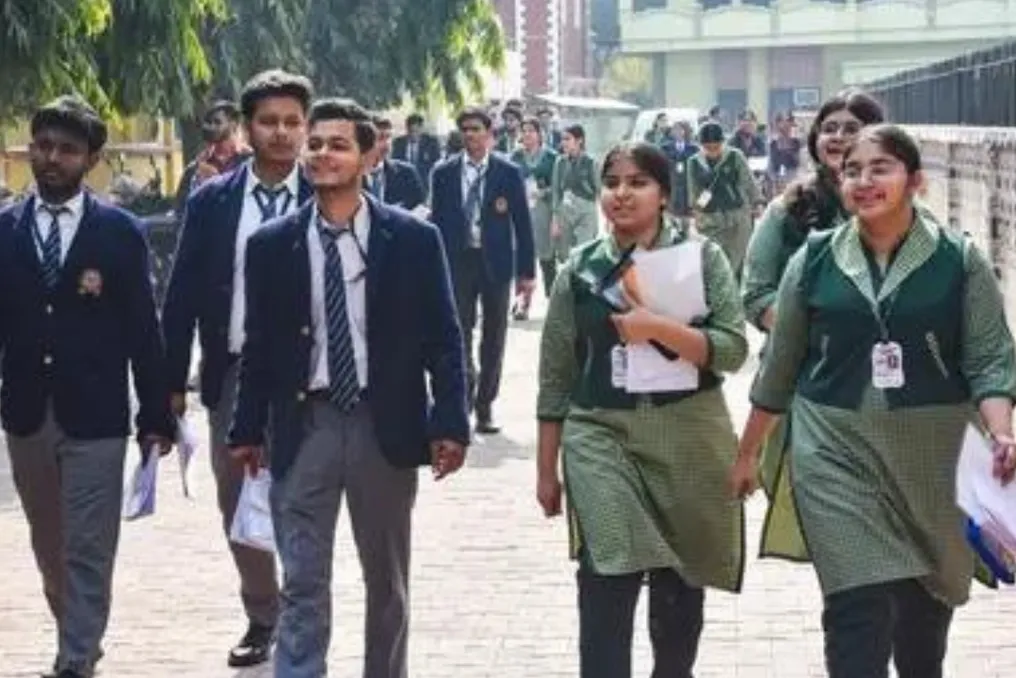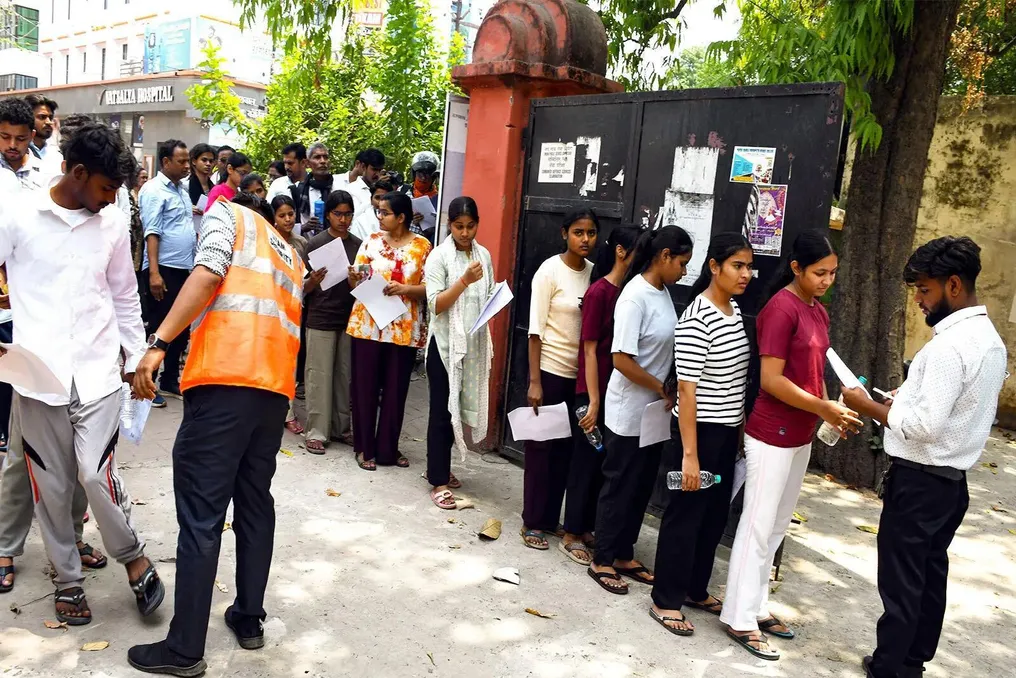
In 2026, women made up the majority among applicants and those who qualified for NEET-UG, but their share significantly decreased among the top performers, as only 30 out of 138 candidates scored 690 or above.
Participation and Performance Statistics
Women registered in a number of 13.3 lakh out of a total of 22.8 lakh registrations, which accounts for 58.5%. Furthermore, they constituted 6.5 lakh out of 11.2 lakh candidates who successfully passed the re-examination. The success rate among participating women reached 56.8%, slightly higher than the 55.1% for men. Nevertheless, women accounted for only 21.7% of the list of candidates with scores of 690 and above, indicating a persistent gap between preparation and reaching the pinnacle.
Rating Leaders
Only two women made it into the top 10: Kudale Shravani Krishna from Maharashtra with a National Rank (AIR) of 5, and Riya Ranjan from Bihar with an AIR of 6. Both are candidates from the OBC category. Among the 44 candidates noted as the best from states, territories, or international participants, 13 were women.
Geography and Leader Categories
Aryan Gupta from Punjab took the first spot in the ranking, followed by Panshul Bansal from Haryana and Uplakshya Goyal from Rajasthan. Bihar represented two candidates in the top six: Ayush Bhalotia with an AIR of 4 and Ranjan with an AIR of 6. Rajasthan showed the highest representation in the 690+ group, with 19 candidates, and Maharashtra had 18. Together, these two states provided 37 out of 138 candidates, accounting for 26.8%.
A significant number of candidates were also represented from Tamil Nadu (12), Delhi (11), Punjab (10), while Haryana, Gujarat, and Uttar Pradesh each contributed nine people to the 690+ club.
Social and Regional Structure
By category, the list included 102 candidates from the general category, 27 from the OBC-NCL category, five from General-EWS, and four from SC. No candidate from the ST category made it onto the list of those who scored 690 or above. This picture shows that representation narrows significantly at the highest level, although it should be remembered that this list is a score range and should not be confused with the final admission pool, where reservation rules, state quotas, and counseling apply.
The list of best from states reveals another discrepancy. While several large states prepared candidates who entered the national top, the best from Ladakh was ranked AIR 55,742, and from Lakshadweep, AIR 21,815. The best from Nagaland was ranked AIR 42,124, and from Dadra and Nagar Haveli, AIR 16,657. This range demonstrates an uneven distribution of results at the highest level across different regions, even with a single national list of examination merits.