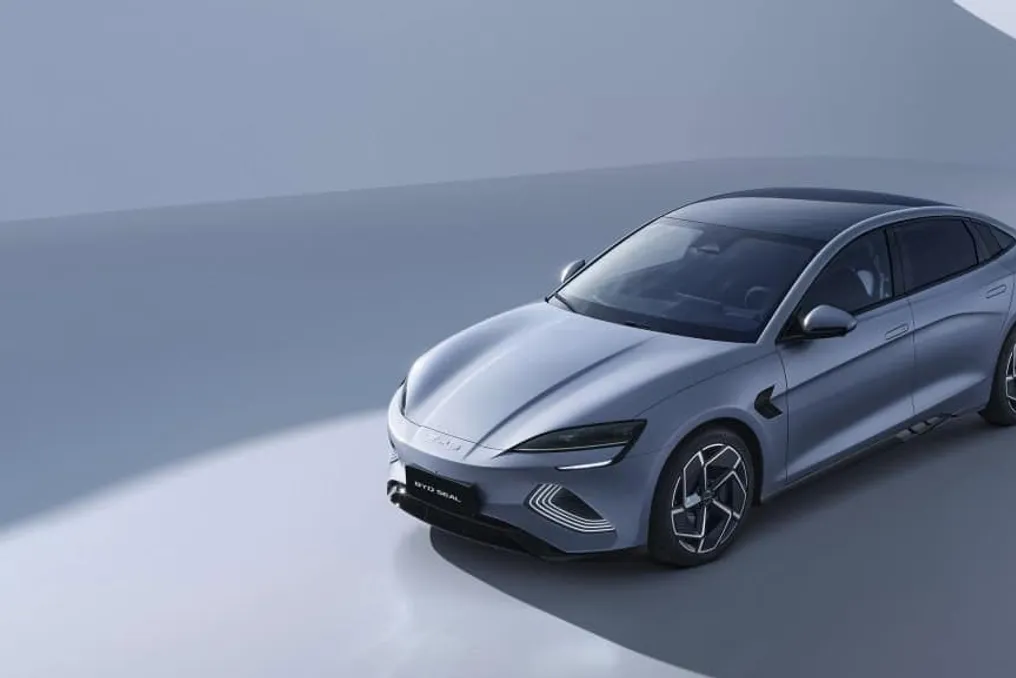
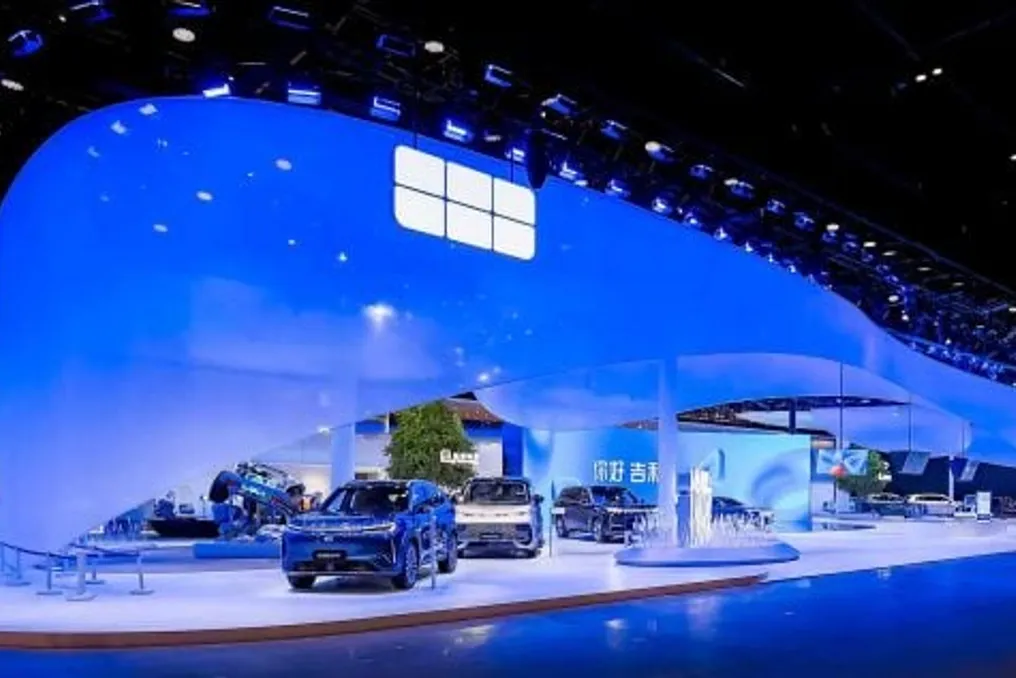
China's automotive industry is demonstrating an unprecedented pace of new product launches, significantly outpacing the markets in Europe and the United States. In the first half of 2025 alone, approximately 650 new models appeared in China, corresponding to an average frequency of over 3.5 launches per day.
Comparison with Global Markets
This volume, calculated by the Chinese platform Dongchedi and published by Bloomberg, exceeds the combined output of the US and Europe for an entire year. Although the data pertains to the previous year, it likely reflects trends for 2026 as well.
The comparison with mature markets shows a significant gap. According to a Car Wars study by Bank of America Securities, only 159 new models are expected to be introduced in the US between 2026 and 2029; there were only 29 in 2024. The situation is similar in Europe: the Association of European Vehicle Logistics reports that the continent receives between 35 and 50 completely new models annually.
Context of the Chinese Market
Despite the impressive figures, it is important to consider the context of the Chinese market: this includes not only entirely new vehicles but also updates to existing products, such as new configurations, colors, and versions. Even when considering only absolutely new models, the pace remains astonishing: about 30 models were released per month since January, totaling approximately 180 new models in the first half.
This high pace contributes to the development of fierce competition among Chinese manufacturers, which is sustained by a relentless price war. This forces brands to constantly accelerate their development.
Reasons for Acceleration and Market Pressure
Behind this high speed lies years of price competition and a change in the perception of the car, which has transformed from a simple means of transport into a complex technological product. To maintain consumer attention, manufacturers are forced to constantly update their range, which has allowed them to drastically reduce development times. Now, new batteries, driver assistance systems, and other technologies are brought to market much faster than was possible just a few years ago.
Pressure on the industry is increasing amid slowing domestic demand. In June, passenger car sales in China fell by 23% compared to the same month last year, according to data from the local manufacturer association (CPCA). Nevertheless, the industry is not slowing down; aggressive portfolio renewal remains a key way of survival in a market where interest in any release quickly fades, requiring each company to present the next novelty before the previous one loses relevance.