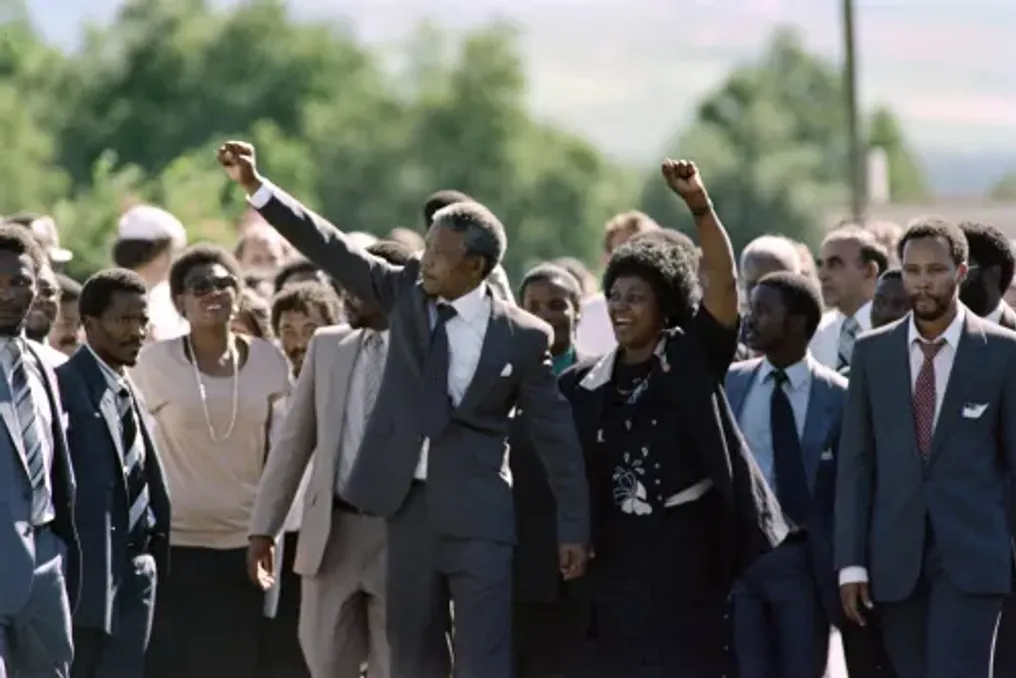
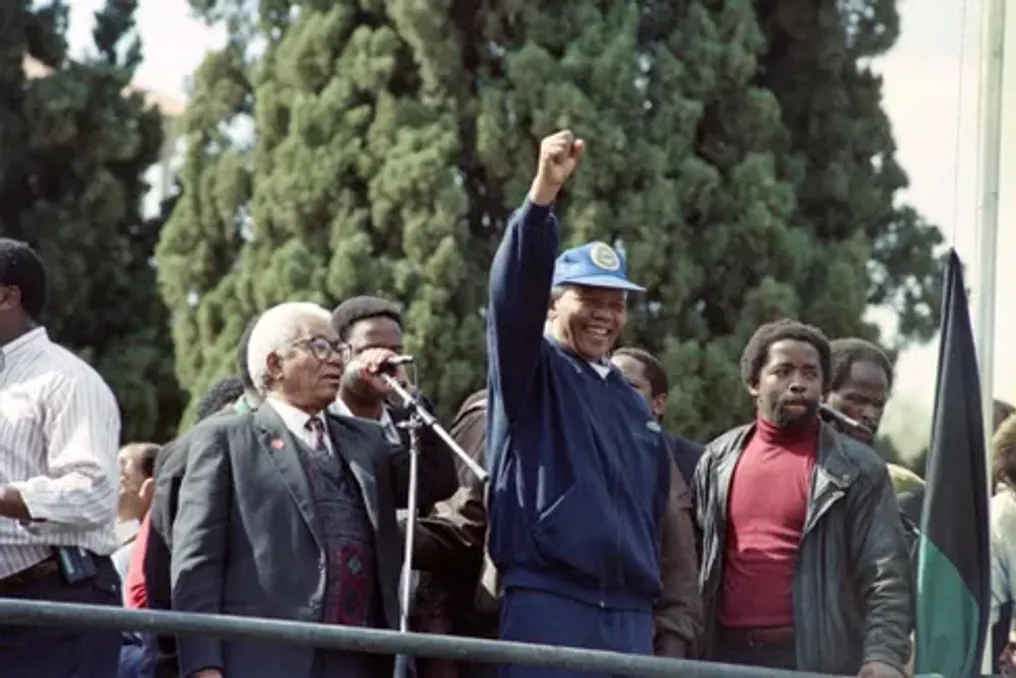
In South Africa, July holds a special place every year as it commemorates the life and legacy of Nelson Rolihlahla Mandela. In 2009, the United Nations declared Mandela's birthday, July 18th, as Mandela Day.
The Significance of Mandela Day
This status was bestowed not only upon Mandela but also upon the people of South Africa and the African National Congress—the liberation movement to which he dedicated his life and for which he spent twenty-seven years in prison. As part of Mandela Day, South Africans across the country participate in acts of charity and compassion, dedicating 67 minutes to cleaning schools, planting trees, helping the hungry, donating blankets, supporting orphanages, and assisting vulnerable communities.
Challenges Facing Modern South Africa
Despite the nobility of these initiatives, the question arises whether such measures are sufficient to reflect the depth of Mandela's vision for South Africa. Today's democratic South Africa, which he led as the first democratically elected president, faces serious problems. High unemployment persists, crime continues to threaten community safety, and poverty and inequality define the daily lives of millions of citizens. The promise of a unified Rainbow Nation seems increasingly strained by expanding racial, class, and social disagreements.
Social and Political Tensions
Recent events have exacerbated these fissures. The departure of some Afrikaner families to the United States following statements about persecution has sparked intense international debate and political controversy. Simultaneously, thousands of South Africans have taken to the streets under the banner of the 'March' movement, expressing deep dissatisfaction with illegal immigration, unemployment, and the state's ability to enforce immigration laws. These demonstrations have shown a society grappling with anxiety, instability, and declining trust in state institutions.
Threats to Institutional Stability
Another worrying issue is the allegations of organized crime infiltrating state structures, which emerged from recent public disclosures. The work of the Madlanga Commission and the bold actions of Lieutenant General Sibisiwo Nhlankhla Mqwanazi have once again forced South Africans to confront uncomfortable questions about the resilience of democratic institutions and the extent of organized crime's influence on the state. Regardless of the Commission's final findings, these allegations demand vigilance, accountability, and institutional renewal.
From Charity to National Renewal
The author questions whether the country aligns with the constitutional democracy, ethical leadership, and social justice that Mandela consistently championed. The question arises: are we reducing the greatest political legacy of modern history to merely sixty-seven minutes of goodwill? Are we becoming too comfortable celebrating Mandela without taking on the difficult tasks required for true nation-building?
While acts of compassion, such as cleaning schools or feeding the hungry, are important, Mandela's life was never limited to philanthropy. He dedicated himself to building institutions, constitutionalism, reconciliation, ethical governance, accountable management, and the pursuit of justice. He understood that poverty cannot be defeated by aid alone; it requires economic transformation, quality education, competent institutions, honest leadership, investment, job creation, and a society committed to the rule of law.
A Call for Active Participation
Therefore, Mandela Day must transform into something more than just a humanitarian event—it must become a National Day of Renewal. On this day, every South African must ask themselves difficult questions before asking them of the government: How can I help rebuild my community? How do I uphold the Constitution? How do I fight corruption? How do I reject crime, racism, tribalism, xenophobia, and political intolerance? How do I contribute to job creation, support education, and strengthen social cohesion?
Nation-building cannot be entirely delegated to the state, nor can the government abdicate its constitutional duties while expecting citizens to solve structural problems alone. Mandela recognized that democracy requires active partnership between an ethical state and engaged citizens.
A Historical Crossroads for the Republic
Today, South Africa stands at a critical historical crossroads. The Republic possesses outstanding constitutional foundations, rich natural resources, and remarkable human potential. However, these advantages can easily be undermined by corruption, weak institutions, organized crime, unemployment, and declining public trust. History shows that nations rarely collapse overnight; they gradually weaken when citizens lose faith, institutions become compromised, and leadership fails to rise above narrow political interests.
Mandela believed that South Africans were capable of overcoming seemingly insurmountable obstacles. His generation dismantled apartheid not because success was guaranteed, but because capitulation was unacceptable. Our generation faces a different struggle—a struggle for the consolidation of democracy, the restoration of ethical governance, the creation of inclusive economic growth, securing borders within the law, strengthening state institutions, and restoring faith in the Republic's future. This fight cannot be won in sixty-seven minutes; it demands daily commitment throughout the entire year.
As South Africans observe Mandela Day in July, they should continue cleaning schools, feeding the hungry, and supporting vulnerable populations. These actions remain a noble expression of our humanity. But we must dedicate ourselves to something greater: the restoration of the Republic for which Mandela and countless freedom fighters sacrificed themselves. Only then will Mandela Day cease to be merely a symbolic annual ritual; it will become a living national commitment to justice, ethical leadership, constitutional democracy, and collective prosperity. That would be the most meaningful tribute to the enduring legacy of Nelson Rolihlahla Mandela.