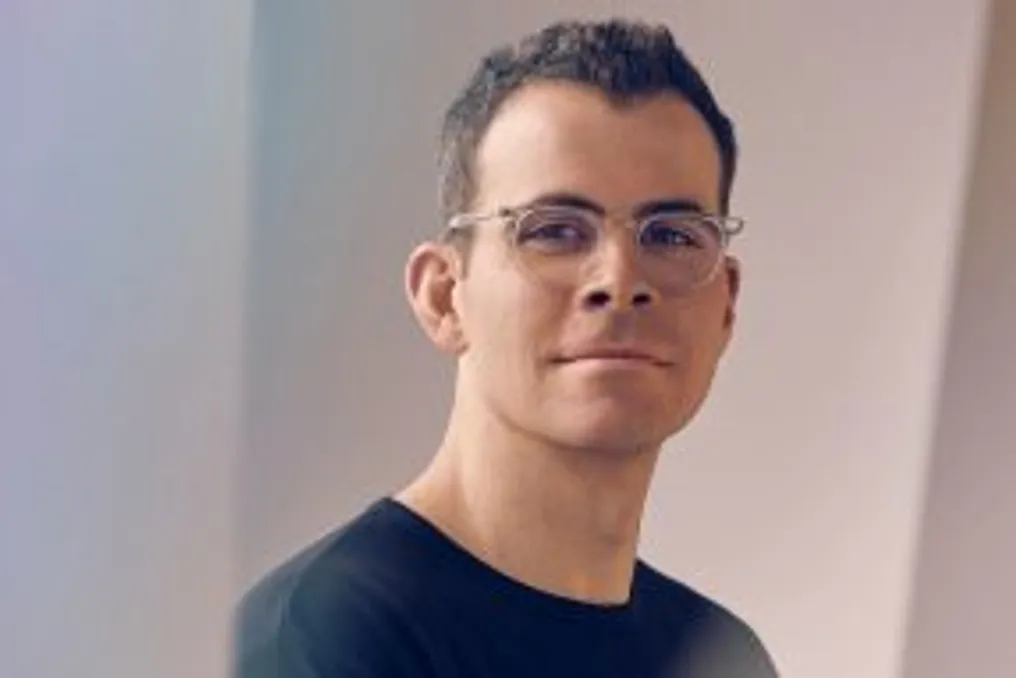
Adam Mosseri, head of Instagram, stated that content generated by artificial intelligence should not be shown to users who do not show interest in it. The executive argues that the platform's algorithm must be adapted to respect this preference, although he dismisses the possibility of simply blocking all AI content on the social network.
Improving Media Identification
With the proliferation of AI-created materials in recent years, there is currently no simple mechanism for users to hide this type of content. Mosseri explained in an interview with Lenny Rachitsky's podcast that Meta's goal is to improve the ability to identify AI-generated videos and images, allowing recommendation systems themselves to understand the user's level of interest.
Mosseri had previously admitted publicly that the Instagram feed had stopped reflecting users' real interests due to the growing power of the algorithm. This observation arose after the expansion of the 'Your Algorithm' feature, which shows users the types of posts the technology deems relevant and offers the option to decrease the visibility of certain topics, although it does not completely prevent the delivery of specific content.
Difficulty in Detecting AI
According to Mosseri, detecting AI content is becoming progressively more complex as language models evolve. For this reason, he proposed that Instagram could adopt less definitive responses regarding the origin of media. Instead of rigidly categorizing whether something was or was not made by AI, the network could indicate confidence levels, such as 'probably yes,' 'we are not sure,' or 'definitely no.'
Currently, the platform has a flagging system for the use of generative tools, as do competitors like YouTube and TikTok. These posts may display an 'AI Information' notification in the feed, detailing that the content 'may have been created by AI.' The pop-up clarifies that this flag generally applies to content entirely generated by AI, and not just modified with AI assistance.
Proposals for Separation and Certification
During the podcast, the executive presented two main ideas. The first is to create a dedicated space to segregate content entirely generated by AI—including spam, fraudulent montages, and other 'AI junk'—from posts that used creative editing or content remixing tools.
Meta has already experimented with similar concepts in the Meta AI app, presenting feeds of images generated by the company's models and even a Reels format with synthetic videos. The second proposal, advocated by Mosseri since December of last year, is the implementation of certification for authentic content. The argument is that it would be simpler to attest to the provenance of a real photograph than to prove the use of AI.
Industry Efforts in Certification
Large AI corporations developing image and video models, such as OpenAI, Google, Microsoft, and Meta itself, are using digital certificates, such as C2PA, and invisible watermarks in content, such as SynthID. These marks are generated by the tools themselves to aid identification. In addition to the declaration made by the user at the time of posting, Instagram can read this information to alert about possible AI use. However, this practice is not yet standardized and these identifiers are not impossible to bypass or remove.