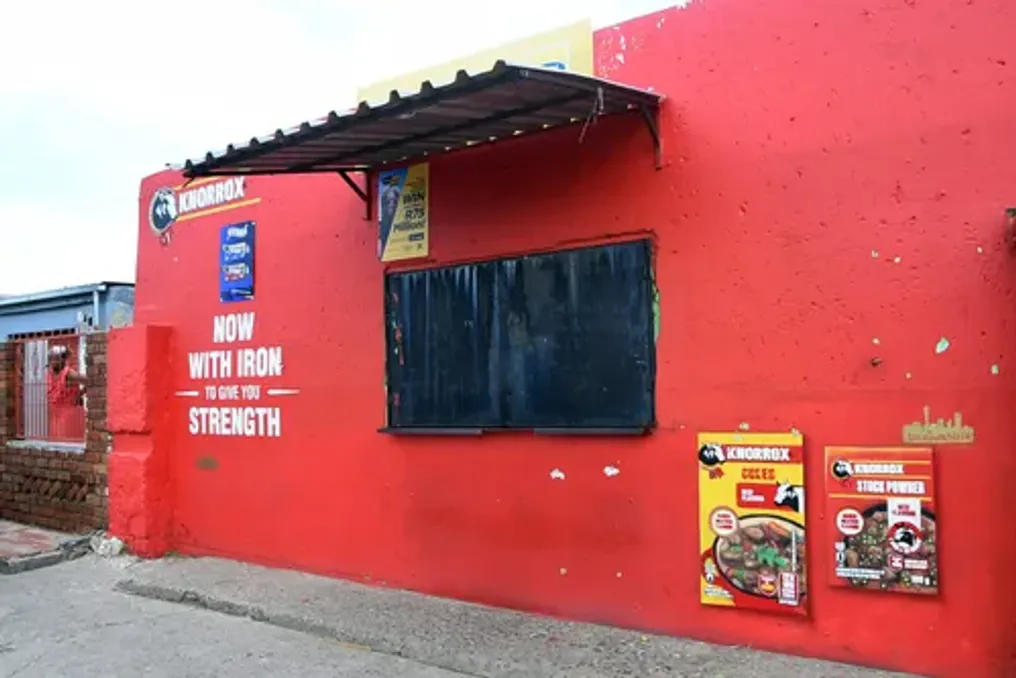
The food safety system in the province of Gauteng has been deemed fundamentally compromised due to systemic administrative shortcomings, corruption, and weak oversight, leaving communities vulnerable to contaminated food. These findings were disclosed on Friday by Ombudsman Kholeki Gqaleka following a comprehensive investigation initiated after the 2024 food poisoning crisis, which resulted in the deaths of at least 23 children across the country.
Causes of Deaths and Initial Measures
Among the victims of the crisis were six children from Naledi, Soweto, who consumed snacks contaminated with the highly toxic pesticide Terbufos purchased from a local spaza shop. These tragedies sparked nationwide outrage, prompted increased state supervision over informal food businesses, and led to mandatory licensing of spaza shops and other measures to tighten food safety controls.
Deficiencies in the Gauteng System
Despite the measures taken, Gqaleka found that Gauteng lacks the necessary capacity to effectively enforce food safety laws. The report indicates that the province does not have the proper jurisdiction to monitor the practices of informal vendors, including spaza shops, traders, street vendors, and school feeding programs.
The investigation revealed that the provincial regulatory system failed to protect consumers due to fragmented governance, weak enforcement measures, outdated legislation, corruption, chronic staff shortages, and insufficient coordination between departments. Gqaleka concluded that the Gauteng province is rife with unsafe food handling practices and remains susceptible to poisoning and contamination risks.
Risks and Non-Compliance
The Ombudsman warned that without addressing these issues, Gauteng communities will remain vulnerable to future poisoning outbreaks. These governance gaps create fertile ground for the growth of unregistered informal traders who do not meet required hygiene and safety standards, thereby constantly increasing the risk of uncontrolled poisoning incidents in Gauteng.
One of the most alarming discoveries was the scale of non-compliance in Gauteng's informal food sector. Only 5% of spaza shops in Ekurhuleni are licensed, compared to 14% in Johannesburg and 30% in Tshwane. In other areas of Gauteng, the compliance rate is only 28%. Gqaleka found that for every licensed or permitted spaza shop in the province, there are nearly three unlicensed ones still operating.
Violations and Corrupt Links
Inspectors also identified widespread violations of food safety rules, including expired and spoiled products, repackaged and unlabeled goods, rodent infestation, poor hygiene, storing food on floors and against walls, as well as repeated instances of businesses failing to comply even after receiving official notices.
The report also points to corruption and the use of businesses as a cover as primary factors in the crisis. The document mentions identified and confirmed cases of foreign nationals using businesses. Furthermore, it was established that some South African citizens allegedly assisted foreigners in illegally running businesses. The report also recorded 'confirmed possible cases of corruption, fraud, and false declaration involving local citizens assisting and encouraging illegal immigrants.'
Dominance of Foreign Owners
These findings emerged amid growing tension surrounding immigration and informal trade in Gauteng. The investigation showed that foreigners constituted the majority among applicants during the national spaza shop registration drive, but it emphasized that weak regulation, poor control, and systemic administrative failures allowed non-compliance to become widespread.
According to the report, 67% of applications in Ekurhuleni came from foreigners, 64% in Johannesburg, and 41% in Tshwane. Overall, about 56% of the registered spaza shops mentioned in the report are run by foreigners. Nevertheless, Gqaleka concluded that the main problem is not ownership, but the government's inability to effectively regulate this sector.
Staff Shortages and School Issues
The report also highlighted a severe shortage of Environmental Health Practitioners (EHPs), noting that municipalities simply do not have enough inspectors to monitor food establishments. Johannesburg has only 240 EHPs for a population of approximately 4.8 million, which corresponds to about 50% of the recommended staffing level. Ekurhuleni operates at a compliance rate of only about 23%, and Tshwane also lags significantly behind the recommended ratio of one practitioner per 10,000 residents.
The Ombudsman concluded that this staff deficit significantly weakened the municipalities' ability to inspect food premises, investigate complaints, and ensure adherence to food safety legislation. The investigation also covered Gauteng schools participating in the National School Nutrition Programme. It was found that 611 schools lacked adequate kitchen infrastructure, and only 262 schools possessed valid Certificates of Acceptability. Another 1413 schools operated without mandatory certificates.
Recommendations and Government Response
Among the directives issued by Gqaleka, she instructed the Gauteng Governor, Panyashe Lesufi, to coordinate a province-wide response to address the identified systemic problems. Recommendations include strengthening collaboration between provincial departments and municipalities, increasing the number of environmental health practitioners and inspectors, improving the enforcement of food safety legislation, tightening oversight of licensing and registration systems, and enhancing the regulation of hazardous pesticides and providing reports on the progress of corrective measures.
In response to these findings, Gauteng government spokesperson Elijah Mhlanga stated that the provincial government has accepted the report and intends to implement the Ombudsman's recommendations. He noted that the report is useful because all involved state bodies are now obligated to jointly address the issue.
Opposition and Public Reaction
The African Transformation Movement (ATM), whose parliamentary complaint in October 2024 prompted the investigation, stated that the findings confirm long-standing concerns about the government's inability to enforce existing laws. ATM leader Vuyo Zungula stated that the report demonstrated a 'South African state that is steadily losing control over the application of its own laws.' He stressed that the tragedy occurred due to the state's failure to apply these laws.
The report comes amidst renewed public concerns about food safety. Residents in several Gauteng communities are taking matters into their own hands, closing spaza shops they believe operate illegally or sell unsafe food. Residents in areas such as Cosmo City and parts of Soweto have held protests, asserting that the government has failed to deliver on its promises regarding safety standards following the 2024 tragedy.