Apple has implemented a price adjustment for Apple Music and also increased the cost of certain Apple One plans. The new prices are already active in the United States, and according to the company, this change reflects increased licensing costs.
Apple has implemented a price adjustment for Apple Music and also increased the cost of certain Apple One plans. The new prices are already active in the United States, and according to the company, this change reflects increased licensing costs.
With the update, the individual Apple Music plan in the United States saw an increase of $1, rising from $10.99 (equivalent to R$ 56.35) to $11.99 (R$ 61.48) monthly. The student plan also saw its price rise, from $5.99 (R$ 30.71) to $6.99 (R$ 35.84).
The family plan received a more significant adjustment, increasing from $16.99 (R$ 87.12) to $19.99 (R$ 102.50) per month. Besides the US, Music Business Worldwide reported that prices were modified in the UK and several European countries, although Apple did not specify which nations were affected.
In Brazil, the current prices for Apple's streaming service are R$ 23.90 for the individual plan, R$ 40.90 for the family plan, and R$ 12.90 for the student plan. This represents the first price increase for Apple Music since October 2022, when Apple also revised the prices for Apple TV Plus and Apple One. Additionally, the company is raising the costs of AppleCare Plus subscriptions for devices such as Macs and iPads.
In addition to the music service, some Apple One packages, which consolidate several company services into a single subscription, also had their prices raised in the United States. According to MacMagazine, the Family plan now costs $27.95 (R$ 143.31) monthly, while the Premier plan reached $39.95 (R$ 204.84) monthly; both saw an increase of $2 (R$ 10.26). The Individual plan maintained its cost at $19.95 (R$ 102.29) per month.
Apple One prices in Brazil are set at R$ 42.90 (Individual), R$ 64.90 (Family), and R$ 104.90 (Premier).
The increase imposed by Apple occurs in a scenario where other music providers are also raising their rates. Recently, Spotify adjusted the price of its Premium subscription in the United States, moving from $11.99 (R$ 61.48) to $12.99 (R$ 66.61) monthly. Parallel to these changes in the streaming sector, segment data indicates growth in CD sales in the United States.
The cost-benefit of an iPhone is determined by several factors, including the projection of software updates, performance potential, and the price charged in the national market. Previous generations, such as the iPhone 16 and iPhone 15 models, become more advantageous options after subsequent price reductions following each launch, being cited as economical alternatives for 2026.
Tecnoblog conducted an analysis of the main iPhones currently on the market to help consumers identify the best combination of specifications and price, detailing the strengths and weaknesses of each Apple smartphone.
The iPhone 16e was launched to redefine the range of more affordable devices within the Apple ecosystem. This model features the A18 processor and the same 8GB of RAM as higher-end models, promising good performance for multitasking and demanding applications, such as games. Its simplified design includes the return of the classic notch on the screen and a simple rear camera system with a 48-megapixel sensor. The 6.1-inch Super Retina XDR OLED display ensures true colors and intense brightness.
The iPhone 16 offers excellent value for money for those who want to invest slightly less than the newest model while maintaining innovations and contemporary design. It comes equipped with the A18 chip and 8GB of RAM, sufficient to run all of Apple's productivity and smart editing tools with high performance. A major advantage is the 48-megapixel main sensor, coupled with the camera control button, which allows quick adjustments of focus, exposure, and zoom through intuitive gestures. Additionally, the device has long battery life and uses the USB-C port, representing a modern and balanced option at a more competitive retail price.
For those seeking a cutting-edge smartphone at the lowest cost, the iPhone 17 is the main recommendation. Equipped with the new A19 processor, it guarantees excellent processing speed and optimized energy efficiency, allowing complex tasks and multitasking to run smoothly for several years. The basic model now incorporates 120Hz ProMotion technology, present in Pro models, along with 48-megapixel main and ultrawide cameras. The front camera system also features Center Stage for automatic subject framing.
The iPhone 15 Pro remains a notable purchase due to its depreciation in the market. Built from light and durable titanium, it houses the A17 Pro processor, an advanced architecture chip that natively supports console gaming and heavy graphics processing, keeping it at the same performance level as recent releases. Its three-camera system includes a dedicated telephoto lens for distortion-free optical zooms and professional recordings. With a 120Hz ProMotion display, it provides a complete premium experience for a price comparable to a current mid-range model.
Launched in 2023, the iPhone 15 is seen as the ideal balance point for the average user who wants to enter the main Apple line with minimal investment. It features the Dynamic Island interface for dynamic notifications at the top of the screen, the A16 Bionic processor, which offers good thermal stability, and USB-C connectivity, facilitating the use of universal cables. Even without dedicated deep artificial intelligence hardware, the device stands out with a high-resolution 48-megapixel camera and impeccable video stabilization, making it a safe choice for those looking for an updated, beautiful, and fast smartphone at more accessible prices.
When deciding which iPhone offers the best cost-benefit in 2026, it is crucial to weigh the available budget, usage profile, and intended period of use. It is recommended to observe some specific technical aspects:
Regarding the iPhone 17 Pro Max, the decision depends on the budget. Although it is one of the best smartphones of 2026, presenting the peak in screen, autonomy, and professional cameras with extended zoom, its retail price tends to be very high. For this reason, standard versions usually offer a better financial return for the consumer.
Purchasing a used iPhone can be advantageous, provided it is done with caution. Display models or pre-owned devices represent good opportunities for savings, but it is essential to check the battery health (preferably above 80% to 85%) and ensure the perfect functioning of all original components, such as Face ID and True Tone screen, before finalizing the purchase.
It is not recommended to buy the iPhone 11 in 2026. Despite having received updates to the latest iOS, the model is over six years old and lacks current technologies such as 5G connectivity, OLED screen, USB-C port, and Apple Intelligence support. Furthermore, it is likely that the current operating system version is the last released for this device.
Similarly, buying the iPhone SE in 2026 is not advised. With the emergence of the iPhone 16e as a modern and affordable entry-level model, older versions of the iPhone SE, with small LCD screens and a physical Home button, have lost relevance for most users seeking larger screens and good battery life.
The National Health Surveillance Agency (Anvisa) has decided to suspend the importation of all medicines manufactured by Excelvision, a pharmaceutical company responsible for producing eye drops and ophthalmic gels sold under various international brands.
This preventive action was formalized in the Official Gazette of the Union (DOU) this Friday, the 17th, with the aim of blocking the entry of these items into the Brazilian market.
Anvisa's determination occurred after an inspection conducted in June by the French National Agency for the Safety of Medicines and Products (ANSM) at Excelvision's facilities. According to the French agency, failures were found in complying with good manufacturing practices guidelines for medicines. As a consequence of this inspection, the ANSM issued an international health alert, which was accepted by the Brazilian regulatory authority.
In addition to the general suspension of Excelvision's products, Anvisa also prohibited the importation of the medicine Zonidra – 20 MG/ML X 5 ML. Although this item is produced by the same company and is registered in Brazil, it has never been put on sale in the country.
Furthermore, Anvisa announced the suspension of all batches of the products Hyabak and Thealoz Duo, manufactured at the Excelvision factory starting from June 5, 2026.
The health agency advises consumers to avoid using the products affected by this measure. Users are recommended to check the labeling to verify the place of manufacture and contact the respective companies if they discover that the medicines came from the Excelvision unit subject to suspension.
Grupo União Química released an official statement regarding the medicines Hyabak and Thealoz Duo. The company clarified that the publication in the DOU (07/17/26) about the suspension of sales of batches manufactured from 06/05/26 by Excelvision (France) does not affect any batch currently sold in Brazil, as the batches imported in the last two years come from another manufacturing unit, Farmila-Thea Farmaceutica (Italy).
União Química emphasized that the ANVISA decision is preventive, mirroring the alert from the French health authority, and is in line with best regulatory practices. The company assured that Hyabak and Thealoz Duo meet all criteria for safety, efficacy, and quality, and there is no reason to interrupt the use of batches available in the national market. Future imports will only occur from the Italian plant, which fully complies with good manufacturing practices criteria.
Finally, União Química made customer service channels available to answer questions.
Laboratório Cristália also commented on Zonidra. The company explained that the ANVISA determination, published in the DOU on July 17, 2026, refers exclusively to the imported product and stems from non-compliance with Good Manufacturing Practices (GMP) by the international manufacturer.
Cristália stated that there is no impact on the company, since Zonidra has not been launched or marketed in Brazil yet, meaning there are no batches subject to the measure. If Zonidra is launched in Brazil, even under the same brand, its production will be done locally, at the Cristália unit, following rigorous standards. Cristália reinforced that Excelvision is not their licensor for Zonidra and that they do not commercialize its products.
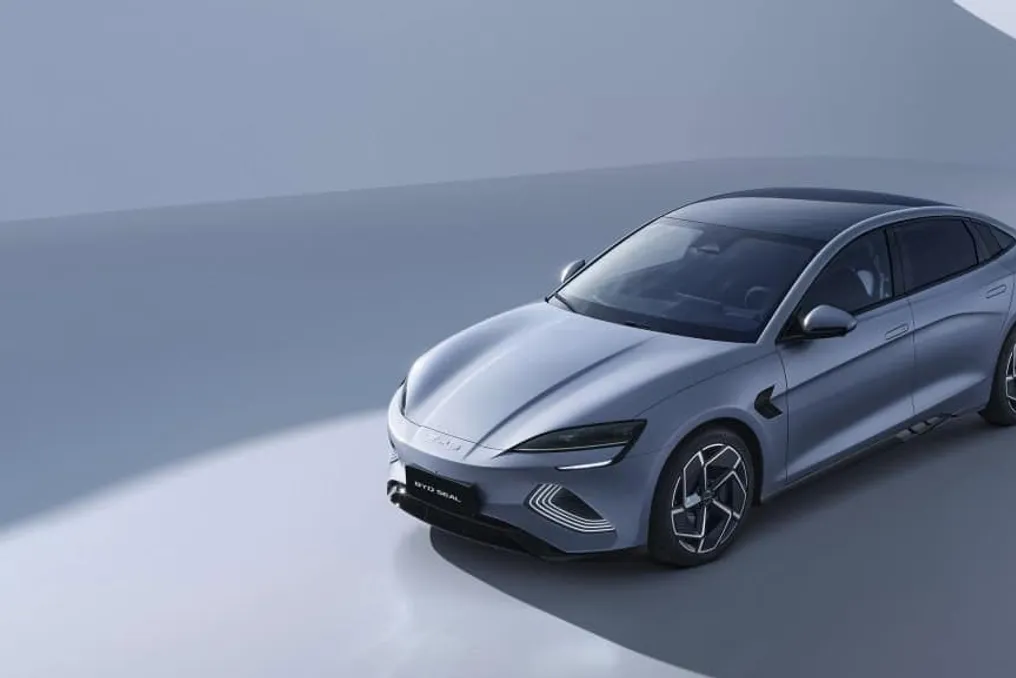
China's automotive industry introduced or updated about 650 vehicle models between January and June 2026, according to a study by the Dongchedi automotive platform. This surge demonstrates a high degree of competition in the world's largest automotive market.
According to data from the China Automotive Technology and Research Center, approximately 30 completely new models entered the Chinese market each month during this period. This rate of update contrasts with the more limited pace of new model releases in the United States.
This progress occurs amid fierce competition among Chinese manufacturers, who are striving to attract buyers by introducing new products, onboard equipment, and lowering prices. Industry leaders characterize the current situation as extremely competitive.
The volume of models presented by Chinese automakers in a short period has attracted attention even within the industry itself. He Zhiji, Vice President of Operations at BYD, called the situation 'absolutely insane' in a social media post, as reported by Bloomberg. He also noted that the internal struggle in the Chinese market has moved beyond merely intense to becoming brutal, reflecting pressure on companies to refresh their lineups amidst growing competition and falling sales.
The figures include both entirely new vehicles and updated versions and modifications of existing models. According to the China Automotive Technology and Research Center, about 30 cars are released monthly in China that are genuinely new and were not present in the national vehicle database. The difference in pace is evident when comparing internationally: while the Chinese market accumulated hundreds of novelties in the first half of 2026, only 29 launches of new or updated vehicles were registered in the United States in 2024. A forecast from Bank of America Securities indicates that the American market will receive 159 new models over the next four years.
The acceleration in China is linked to shorter vehicle development cycles. Manufacturers have begun working with reduced timelines to provide updated products to consumers, attempting to overtake competitors and gain market share. Technology also plays a vital role in this race. The use of artificial intelligence in vehicle development, as well as advancements in driver assistance systems, denser batteries, and charging solutions, are tools used by companies to attract buyers.
BYD, one of the leading Chinese manufacturers, views competition as a stimulus for innovation. The company has stated its intention to become the world's largest automaker within the next five years and has regained the lead in global electric vehicle sales, surpassing Tesla in this metric. According to He Zhiji of BYD, rivalry between manufacturers can promote sector growth, as he stated in his social media post: 'Competition also breeds prosperity,' according to Bloomberg.