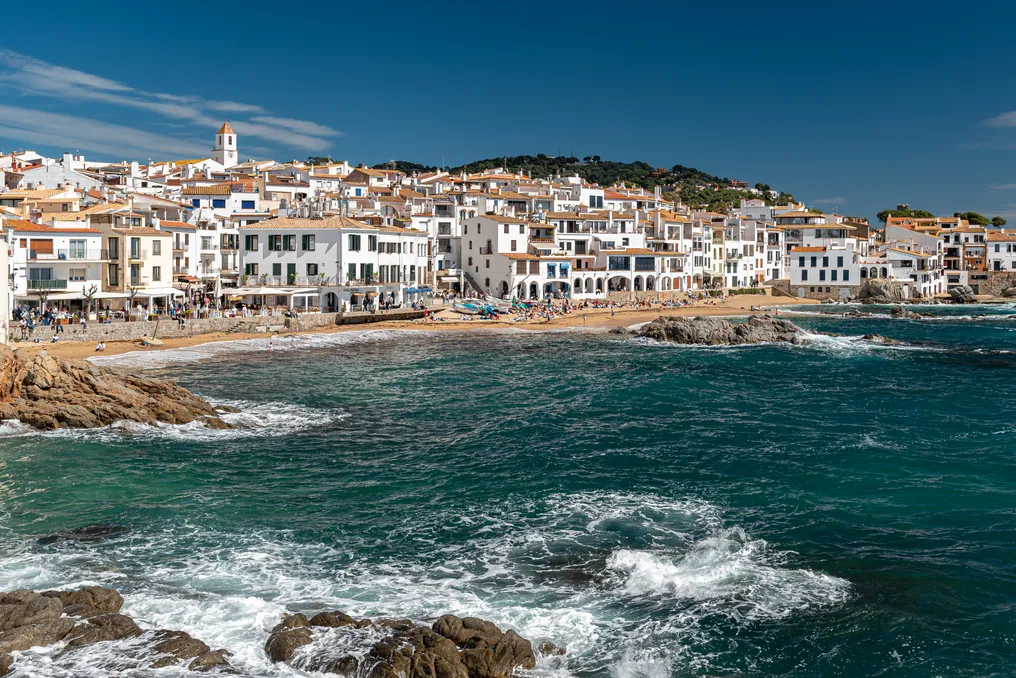
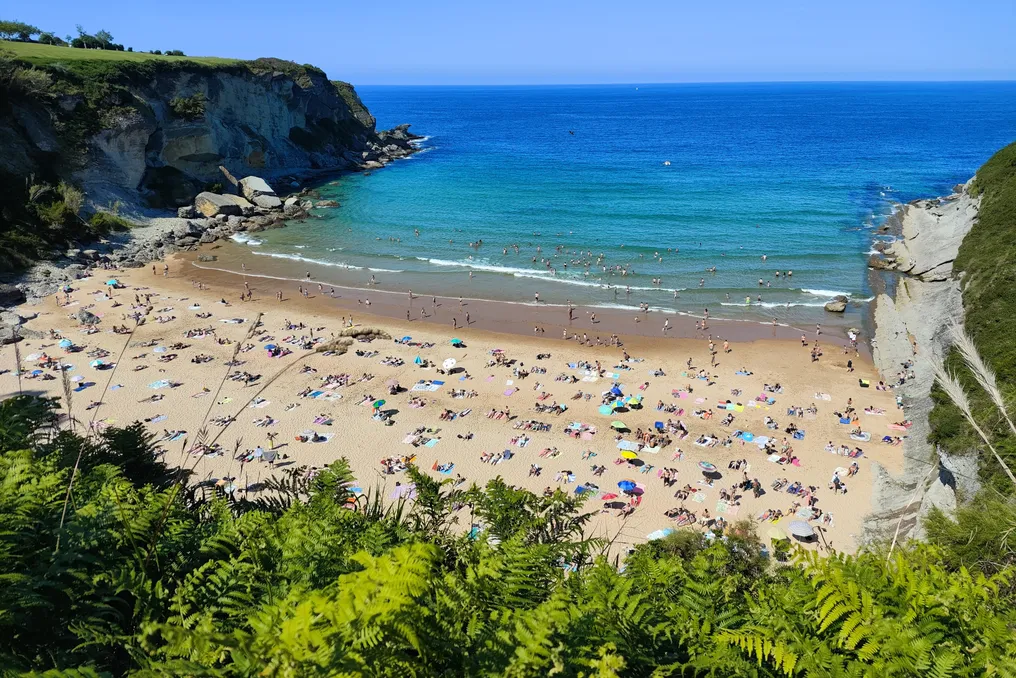
Santander, the capital of Cantabria in northern Spain, is known as the 'Bride of the Sea'. This city, which has approximately 180 thousand inhabitants, presents a remarkable combination of mountainous landscapes and green fields with white sand beaches.
City's Tourism History
In the mid-19th century, Santander experienced significant growth in tourism after establishing itself as a holiday destination for the Spanish monarchy. The presence of the royal family stimulated the construction of luxurious hotels, mansions, and iconic structures, such as the Palace of Madalena, which is one of the city's most famous tourist attractions.
The Five Beaches of Santander
The following five beaches can be included in a trip itinerary in Santander.
Mataleñas
Located between the Cape Mayor Lighthouse and the Second Beach of Sardinero, Mataleñas Beach is considered a discreet gem of the Spanish coast. Access is via a long staircase, which maintains a more reserved and charming atmosphere. Although it is an ideal spot for families seeking tranquility, people with reduced mobility should exercise caution on some steep parts.
With crystal-clear waters and golden sand, Mataleñas is suitable for free diving (snorkeling) due to its rocky bottom and diverse marine life. It is a less crowded alternative on the Santander coast.
First and Second Beach of El Sardinero
The El Sardinero area is one of the most frequented by visitors to Santander. The First and Second Beaches of Sardinero form a vast expanse of fine, soft sand, bathed by transparent waters.
This location retains the aristocratic air that characterized the city's tourism development, with historical buildings such as the Gran Casino del Sardinero and the Hotel Real, which symbolize the period when Santander became a summer destination for the Spanish elite. The First Beach of Sardinero attracts both sunbathers during the summer and surfers year-round, offering complete infrastructure with several bars and restaurants along the waterfront.
Playa del Camello
Near the Sardinero region, 'Camello Beach' received this name due to a peculiar rock formation near the coast that resembles the silhouette of this animal. This destination is small and pleasant, combining calm waters with lush nature.
It is important to observe the tides when visiting this beach; during low tide, small natural pools appear among the rocks, which are highly appreciated by families with children.
El Puntal
Situated across the Bay of Santander, El Puntal can be reached by traditional vessels called pedreñeras, small red barges that leave the city at specific times. Upon arrival, visitors find a wide stretch of light sand and panoramic views of the Santander coast, the Palace of Madalena, and the entrance to the bay.
Due to stronger waves, El Puntal is an excellent option for water sports, such as stand-up paddleboarding and surfing. Local gastronomy also deserves mention, with bars and restaurants serving dishes made with fresh seafood by the beach.
La Maruca
On the northern coast of Santander, La Maruca exhibits a quieter and more rural aspect of the city. The beach has a small port that, in past times, held military relevance due to its strategic location near the bay entrance.
For those who enjoy hiking and adventure, the beach serves as a starting or ending point for a coastal trek of about 11 kilometers. This route traverses cliffs and natural vegetation to the Cape Mayor Lighthouse, making it ideal for exploring the Santander coast on foot.