The recent detection of a sugar molecule in the interstellar medium could be a significant step forward in understanding the chemical evolution of the Milky Way and the origin of life on Earth. The presence of erythrose—a four-carbon sugar—was recorded in deep space in the scientific journal Nature Astronomy.
Astrobiology and Cosmic Chemistry
According to the National Observatory (NO), this discovery is the result of research in astrobiology—the science that studies the emergence, evolution, and distribution of life in the Universe. This topic will be discussed at the VI National Observatory School of Astrobiology (AstrobiON), which will take place from September 14 to 17. Registration for the event is open until September 4.
Marcelo Borges Fernandes, a researcher at the National Observatory and coordinator of the VI AstrobiON, emphasized that this discovery strengthens the importance of astrochemistry for comprehending the genesis of life. He noted that the detection of complex chemical components in deep space is directly related to the goals of astrobiology and the content being prepared for this AstrobiON session.
Significance of the Discovery for Science
According to Fernandes, the goal of the school is to bring students and researchers up to date with the latest data on this topic. He added that they want to demonstrate how astrochemistry and the evolution of the Milky Way are linked to the appearance of life in space, inviting participants to discuss these new frontiers.
The identified molecule is erythrose, a sugar composed of four carbon atoms. Although this substance is known on Earth due to its presence in berries such as raspberries, its significance in space is much greater. The National Observatory indicates that researchers studying the origin of life aim to understand how the chemistry of the Universe can lead to the formation of ribose—a five-carbon sugar that is part of the structure of RNA and DNA.
The identification of erythrose proves that the existing chemistry in space is capable of creating increasingly long and complex carbon chains entirely abiotically, meaning without the involvement of living organisms. According to NO, this process represents an important chemical stage that could potentially lead to the emergence of life.
Methods of Sugar Detection
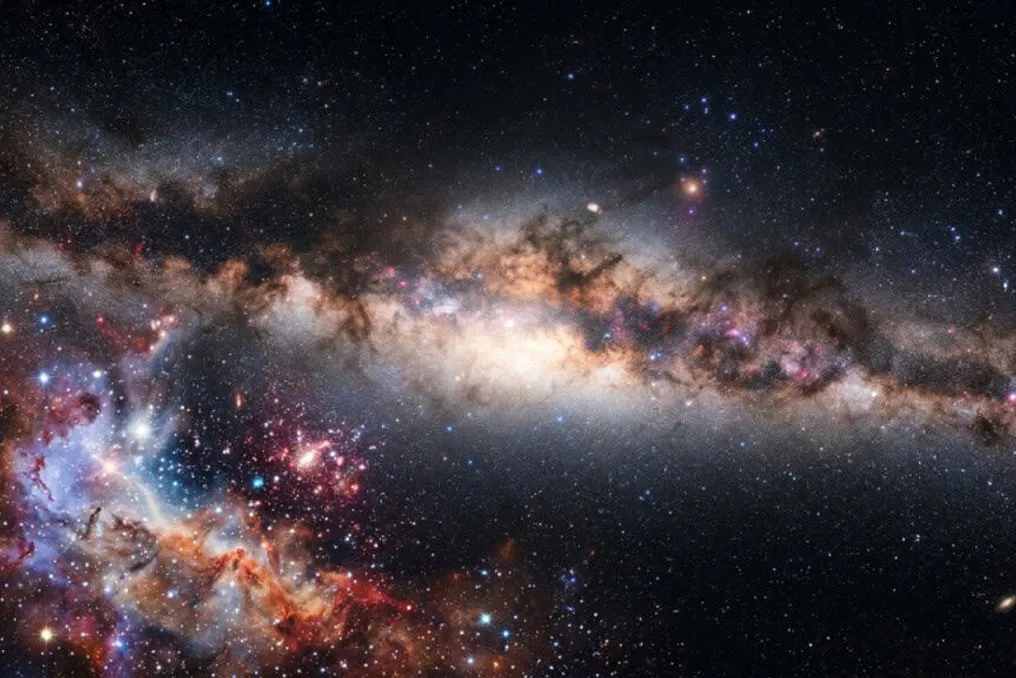
Despite the interstellar medium being extremely cold and rarefied, vast molecular clouds in the central part of the Milky Way function as natural laboratories and stellar nurseries where chemical reactions occur. To identify erythrose, a team led by astrochemist Isaskun Jimenez-Sierra from the Spanish Center for Astrobiology used two radio telescopes pointed at the center of the galaxy. The applied method was based on the spectroscopy of rotational molecular transitions.
Molecules constantly rotate and vibrate, emitting or absorbing radiation at specific frequencies. These frequencies serve as a unique 'fingerprint' for each chemical substance. Researchers detected this radiation emanating from the nebula and compared the signal with data previously obtained in ground laboratories where erythrose had already been studied. According to NO, the result showed a perfect match between the electromagnetic signature registered in space and the signature of the known molecule.
New Paradox in Research
Despite confirming the presence of erythrose, the study revealed a paradox that challenges current models of astrochemistry. The radio telescopes clearly identified the four-carbon sugar but did not detect significant quantities of smaller sugars consisting only of three carbon atoms, which should theoretically be more common.
For Fernandes, this absence represents a serious scientific problem. He noted that this 'molecular vacuum' complicates the understanding of how organic matter accumulates and develops in space. In the researcher's opinion, current theories suggest that smaller molecules should appear more frequently. This paradox, he said, is the kind of real and intriguing problem they enjoy discussing at AstrobiON, as it demonstrates that there are mechanisms of molecular synthesis in the interstellar medium that still need to be deciphered.
Possible Delivery of Sugars to Earth
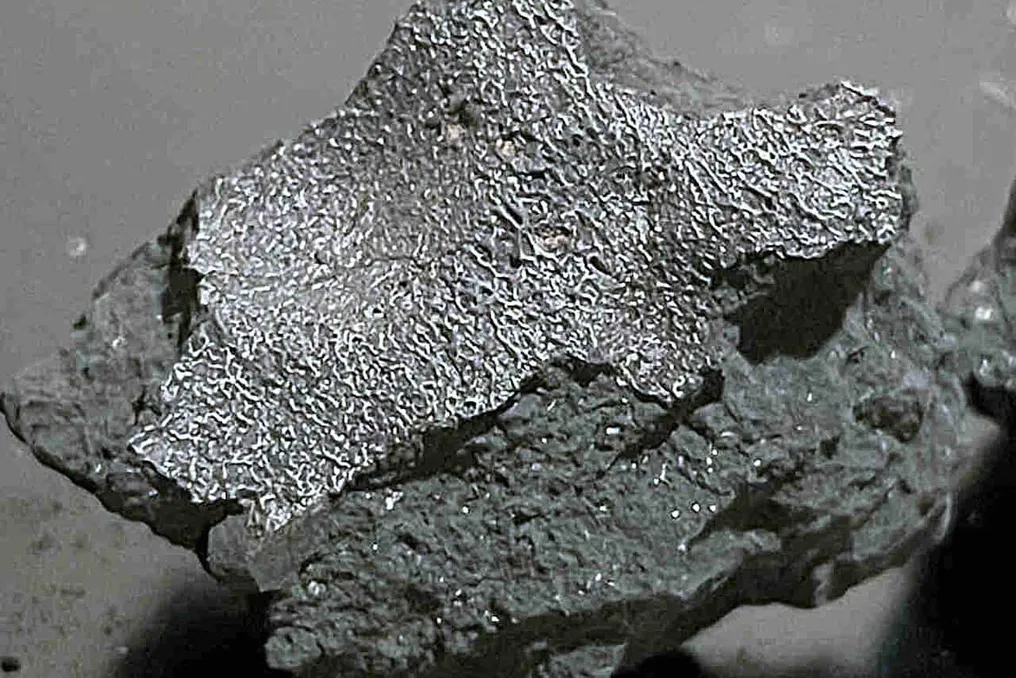
Confirming the possibility of forming complex sugar molecules in space, even before the birth of stars and planets, also changes the perception of the origin of ingredients necessary for life. The National Observatory reports that estimates suggest that primitive Earth could have received up to 50 million tons of these sugars during the period known as the Late Heavy Bombardment, when the planet was frequently bombarded by meteorites and comets.
For scientists, if the fundamental components for the formation of RNA and DNA are present in molecular clouds distributed throughout the Milky Way, the probability increases that the so-called 'recipe for life' is also delivered to other forming planetary systems. This discovery reinforces the importance of astrobiology for understanding how complex organic molecules arise in the Universe and how they might contribute to the emergence of life in different parts of the galaxy.