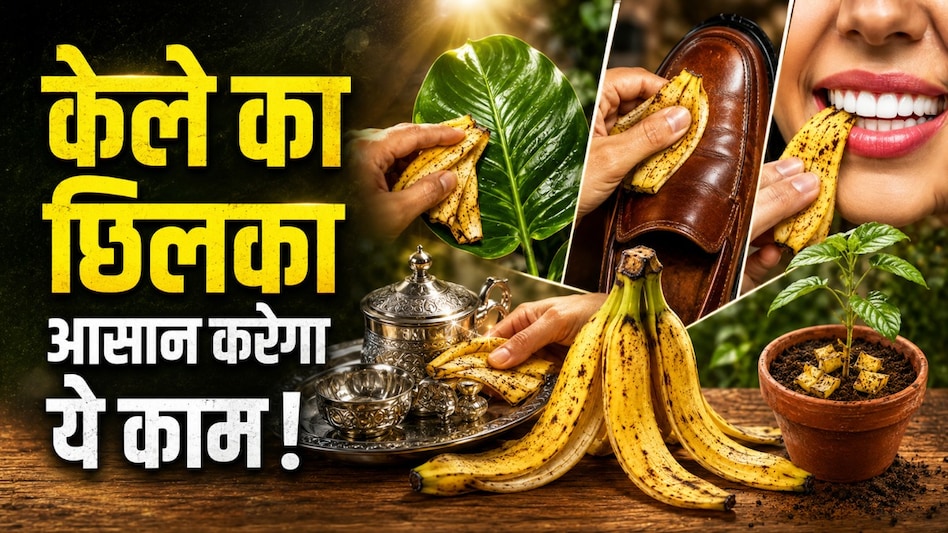
The next time you peel a banana, consider before throwing away the skin. In the region of Assam, this humble peel has long become one of the most characteristic culinary components—khar, an alkaline extract that has shaped Assamese cuisine for generations.
Characteristics of Assamese Cuisine
Unlike many Indian cuisines that rely on layers of spices, Assamese food is known for its simplicity. Fresh seasonal produce, minimal oil, and subtle flavors are the focus. Another distinguishing feature is the emphasis on balancing six traditional tastes: sweet, salty, sour, bitter, spicy, and astringent. Khar imparts this final, unique note to the dish.
Preparing Khar from Peel
Khar serves as both an ingredient and the name of the category of dishes prepared using it. Traditionally, it is made from the peel of the Bima Kol (Musa balbisiana), a local variety of banana grown throughout Northeast India. The peels are first dried in the sun and then burned to ash. Water is slowly passed through this ash to obtain a dark brown, mineral-rich alkaline liquid known as kolakhar.
Traditions and Uses of Khar
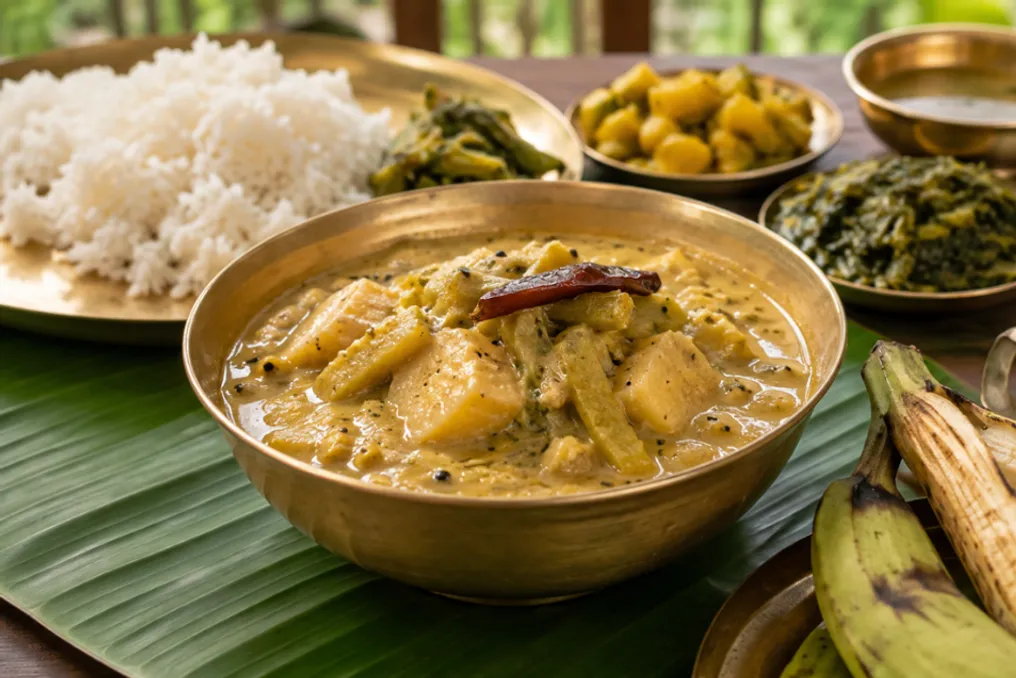
This method is passed down from generation to generation. Many families in Assam prepare large batches that can last for months, with each family following its own recipe and preferred strength of the extract. Over time, khar has become as much a family tradition as a staple pantry item. In a traditional Assamese meal, khar is served at the beginning, not the end. It is usually cooked with raw papaya, pumpkin, cabbage, lentils, spinach, and even fish. Its earthy, slightly smoky flavor enhances the natural taste of the ingredients rather than masking it. It is traditionally believed to also help prepare the taste buds and aid digestion before the main meal. One of the most famous dishes is papaya khar, where tender pieces of raw papaya are stewed with the alkaline extract, creating a light yet very filling dish.
Historical Significance of Khar
The history of khar is closely linked to the geography of Assam. Historically, this landlocked region had limited access to sea salt, which prompted communities to seek local alternatives. The alkaline liquid derived from banana peel became one such substitute and eventually turned into a defining characteristic of Assamese cuisine. Its use extended beyond cooking: the older generation valued khar for its high pH level and used it as a natural preservative. In some communities, it also served as a cleaning agent for dishes and fabrics. Folk traditions even mention it in home remedies, reflecting how deeply embedded it is in daily life.
Modern Development of the Tradition
Today, khar is not limited to home kitchens. Restaurants across Assam proudly include it in their menus, and bottled kolakhar has made it easier for people across India to experience this unique ingredient. Nevertheless, many families continue to prepare khar in the traditional manner, ensuring the transmission of this knowledge to future generations. Essentially, khar reflects the spirit of Assamese cuisine—ingenuity, rootedness in local produce, and the formation of generational life experience. It serves as a reminder that some of the most wonderful culinary traditions begin with the simplest ingredients. In Assam, one such story begins with the banana peel, which has taken its place at the heart of the dining table.