The best GPS-equipped smartwatch is defined by dual-frequency technology, which ensures a more accurate recording of activities, whether indoors or outdoors. These more sophisticated models generally require a higher financial investment.
Single-Frequency GPS Options
Brands such as Amazfit, Huawei, and Xiaomi offer models with single-frequency GPS, which, although having more restricted features, are capable of meeting basic user needs.
Smartwatch Highlights
Tecnoblog has compiled a list of ten GPS smartwatches to help consumers make a purchasing decision, detailing the pros and cons of each device.
Model Details
The Apple Watch Ultra 2 features an extremely bright 3,000-nit display, dual-frequency GPS, mobile data support, NFC payments, and a titanium build.
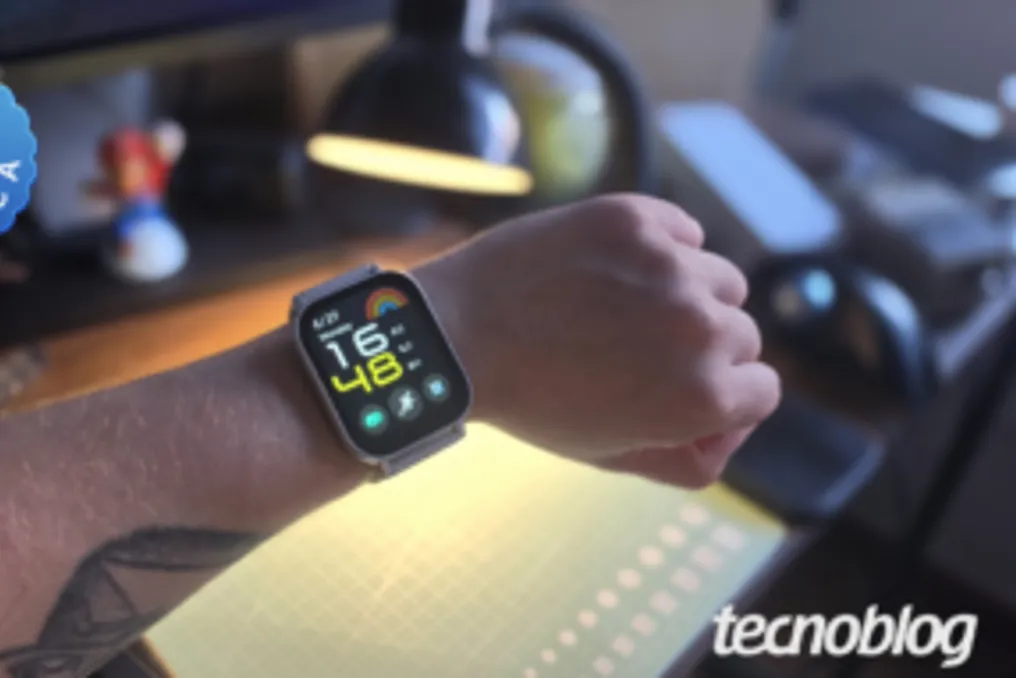
The Redmi Watch 6 has a vivid AMOLED screen, over 150 sports modes, integrated GPS, and a battery that lasts up to 24 days, compatible with both Android and iPhone.
Huawei Watch GT 6 Pro
The Huawei Watch GT 6 Pro uses dual-frequency GPS (L1 + L5) and a positioning system called 'Sunflower'. This system operates dynamically, adjusting the signal according to movement to maintain a stable satellite connection. Furthermore, it offers over 100 sports modes, including golf course tracking. Its AMOLED screen reaches a maximum brightness of 3,000 nits, and it has IP69 certification and 5 ATM water resistance for diving. Although it works on Android and iPhone, it does not have NFC for payments in Brazil.
Galaxy Watch Ultra
The Galaxy Watch Ultra integrates dual-frequency GPS (L1 + L5), providing greater accuracy in monitoring outdoor routes and runs. With LTE and support for over 100 sports activities, it is possible to record workouts without depending on the phone. The 3,000-nit screen facilitates reading in direct sunlight, is protected by sapphire crystal, and has a titanium structure body. However, this device is heavier than its previous version and is exclusively compatible with Android devices.
Apple Watch Series 11
This model also incorporates dual-frequency GPS and offline map functionality. In the GPS + Cellular configuration, its location features are more autonomous, supporting mobile data (5G) for route updates and message sending. The watch is exclusive to iPhone users, requiring daily charging due to its 24-hour autonomy. It has 64 GB of internal storage, IP6X dust protection, and 5 ATM water resistance, is compatible with Apple Intelligence, and offers NFC for contactless payments.
Garmin Forerunner 165
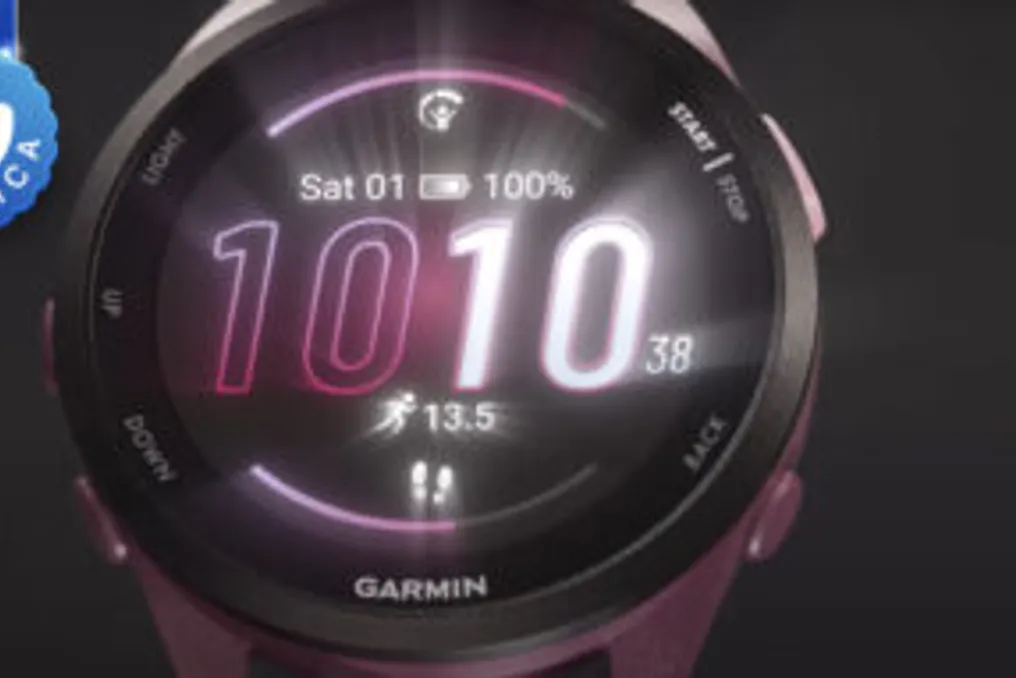
The Garmin Forerunner 165 uses single-frequency GPS with support for multiple satellite systems (Multi-GNSS). Even though it is not dual-frequency, it employs advanced Garmin algorithms to ensure route tracking accuracy without needing to carry the phone during training. It does not accept a cellular chip, and map synchronization and security system activation depend on pairing with an Android or iPhone. This model is focused on running, offering daily training suggestions and a long-lasting battery of up to 11 days, but it does not display maps directly on the screen during navigation.
Amazfit Bip 6
The Amazfit Bip 6 stands out for its excellent cost-benefit ratio, as it includes integrated GPS with support for 5 satellite systems, even though it is single-frequency. This allows tracking workouts without the phone nearby, and its operating system is compatible with running apps like Strava. It works on Android and iOS, with a battery life of up to 14 days. However, the device does not have mobile data or connect to Wi-Fi networks, but it offers artificial intelligence features to enhance exercise tracking and respond to messages via voice command.
Apple Watch Ultra 2 (Review)
The Apple Watch Ultra 2 features integrated dual-frequency GPS (L1 + L5) and connects to 5 global satellite systems. The model comes factory-equipped with LTE mobile connectivity (4G), allows offline map use and geolocation without depending on the phone. It has a Retina display with a maximum brightness of 3,000 nits for visibility in the sun and is protected by sapphire crystal. Its case is made of a titanium alloy. Exclusive to iPhone users, it offers a battery life of up to 36 hours in normal use or up to 72 hours in power-saving mode.
Galaxy Watch 8
The Galaxy Watch 8 features integrated dual-frequency GPS (L1 + L5), NFC for contactless payments, and a 1.5-inch Super AMOLED screen. Its maximum brightness of 3,000 nits is crucial for sports activities and outdoor running. The watch has a lightweight 30-gram aluminum case, supports artificial intelligence features, and has IP68 dust protection certifications, along with 5 ATM water resistance for diving. Like the Galaxy Watch Ultra, this model only operates on Android devices.
Apple Watch SE 3
In the GPS + Cellular version, 5G support enables mobile data usage without the phone, allowing for real-time route plotting and location tracking. This watch is exclusive to iPhone users but includes NFC for payments and 64 GB of storage. The Apple Watch SE 3 represents Apple's entry-level option, showing differences from conventional models, such as single-frequency integrated GPS (L1), shorter battery life, and the absence of oxygen and ECG sensors.
Huawei Watch Fit 5
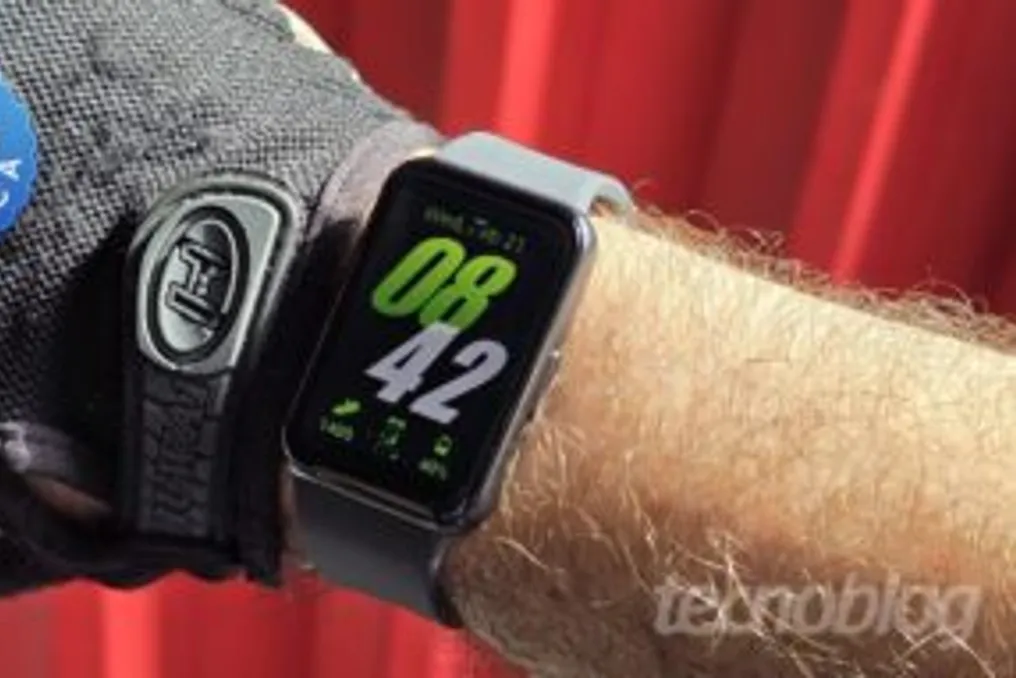
With integrated dual-frequency GPS (L1 + L5), the Huawei Watch Fit 5 maps outdoor runs and walks without the need to carry the phone. It has an aluminum structure and weighs approximately 27 grams, offering up to 10 days of battery life. The Huawei smartwatch shares a similar design to the Apple one but does not include features like NFC or mobile data. Its 2,500-nit AMOLED screen is a positive point, and it is compatible with Android and iPhone.
Comparison and Buying Tips
To choose the best smartwatch with integrated GPS, it is recommended to check certain characteristics before purchasing. One must analyze the signal frequency: single frequency (L1) works well in open areas, while dual band (L1 + L5) offers greater precision in obstructed locations, such as buildings and trees, preventing tracking failures.
Another important factor is system compatibility: models like Apple Watch and Galaxy Watch require specific ecosystems (iOS and Android, respectively), whereas brands like Huawei, Garmin, and Amazfit operate on both.
Battery life must also be considered; smartwatches focused on daily tasks often require daily charging, unlike sports watches, which can last for days or weeks. Finally, the offline map function allows some watches to store and display maps autonomously, enabling real-time route plotting without an internet connection.
Integrated vs. Connected GPS
A smartwatch with integrated GPS has its own location technology on the watch, allowing you to train and record the route without needing the phone. Connected GPS relies on the phone's signal via Bluetooth, forcing the user to carry the phone during exercise to map the route.
How to Identify Integrated GPS
To confirm if a smartwatch has integrated GPS, you need to consult the technical specifications, looking for terms such as 'integrated GPS', 'GNSS', or 'GPS/GLONASS/Galileo'. Such specifications prove the presence of a dedicated location chip. Alternatively, a practical test can be performed: disable the phone's Bluetooth or start a physical activity without the smartphone. Watches with integrated GPS search for the satellite signal before exercise and show the path after completion.
Best Cost-Benefit and Precision
The Amazfit Bip 6 is pointed out as the best cost-benefit smartwatch, despite using a single-frequency location system, and can be found in the price range between R$ 500 and R$ 700. For those who prioritize maximum precision in running, dual-frequency GPS smartwatches are the best choice, with Garmin line models being references in the sports segment. If the focus is on combining smart functions with high GPS accuracy, the watches from the Apple and Samsung Ultra lines are considered market leaders.