A large audience gathered to hear the inspiring story of the development of the Fish Hoek Surf Lifesaving Club, which was founded by just seven local Sea Scouts members and has grown into one of South Africa's leading surf lifesaving clubs.
Origins and Early Activities
Curator of the Fish Hoek Valley Museum, Sue Maud, recounted how Daffell, who has lived in Fish Hoek since 1945, guided the listeners through the club's history. He spoke about its modest beginnings in the late 1950s and how the club achieved its current status as one of the most successful in South Africa.
The idea for a local surf lifesaving club arose in 1955 and 1956 when Sea Scout patrol leader Buck Buchanan left the 1st Fish Hoek Sea Scouts to join the newly established Clifton Surf Lifesaving Club. In 1963, the Fish Hoek municipality provided the club with land to build its first wooden clubhouse structure.
Team Formation and Early Years
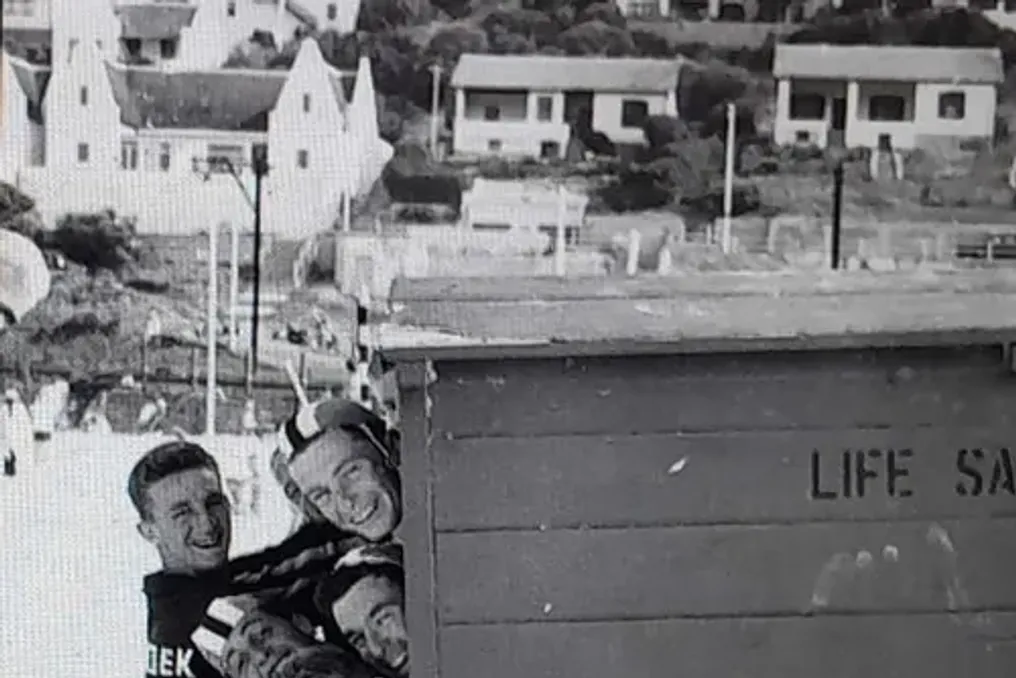
Inspired by this move, Daffell and a group of fellow scouts decided that Fish Hoek needed its own club. In 1957, they presented this idea to their Scoutmaster, Robbie Robertson, who immediately supported the initiative and became an assistant coach. Brian Lovell, an Australian, was appointed as the head coach. The seven founders included Clive Daffell, the Dug brothers and Clive Wakeford, Hilton Ross, Cedric Green, Barry Noble, and Ken Smith.
The Fish Hoek Surf Lifesaving Club was officially established in 1958 and affiliated with the South African Surf Lifesaving Association. The original colours and emblem of the club are still used today. Daffell recalled that resources were extremely limited in those early days; club members did not have official uniforms, so their parents made caps and gear by hand. The club also operated from a tiny hut where only a rescue pole was stored.
Infrastructure Development and Competitive Journey
A trip to the national championship in Durban in 1960 was another memorable event, when club members travelled on an old bus with wooden seats. As the club grew, in 1963 the members built their own clubhouse. The wood was prepared at the Windsor Hotel on Beach Road and then delivered to the beach, where the structure was assembled on foundations created by burying tins in the sand. This clubhouse was later replaced by the current building, which was completed in 1992.
Daffell also shared memories of the club's competitive career. In 1979, he and Doug Wakeford brought the first Fish Hoek Nippers team to the national championship in Umhlanga Rocks. Although KwaZulu-Natal clubs dominated national competitions for many years, Fish Hoek gradually became a serious competitor. In 2007, after Durban Surf held the senior titles for 42 years, Fish Hoek won national awards for the senior, junior, and Nippers categories for the first time.
Current Status and Legacy
As careers and family responsibilities became priorities, many of the founders stepped away from active competition. However, Daffell mentioned that they later reunited to participate in Masters events and continue to meet regularly under the affectionate nickname 'Old Farts Club'. Today, the club celebrates its 70th anniversary and has far exceeded the dreams of its seven founders. The Fish Hoek Surf Lifesaving Club has 571 paying members, including 225 Nippers, 97 Micronippers, 25 Starfish members, 74 juniors, 51 seniors, and 69 Masters participants.
According to information presented during the talk, the club is currently the South African champion in all competitive categories: senior, junior, Nippers, and Masters. Furthermore, Fish Hoek will have the largest club representation in the South African team for the World Surf Lifesaving Championships, which will be held in Gqeberha in November, with nine of the 24 Springbok team members coming from this club. Additionally, 45 Masters participants from Fish Hoek will take part in the championship.
Despite the sporting success, Daffell emphasized that the club's greatest achievement is its impact on youth. He urged parents to introduce their children to surf lifesaving, as it promotes a healthy lifestyle, develops self-confidence, independence, friendships, and decision-making skills, while strengthening family bonds. Sue Maud noted that the evening provided a fascinating glimpse into the history of a club that grew from a handful of enthusiasts with homemade gear to one of the country's most successful surf lifesaving organizations, continuing to serve generations of beach lovers in Fish Hoek.