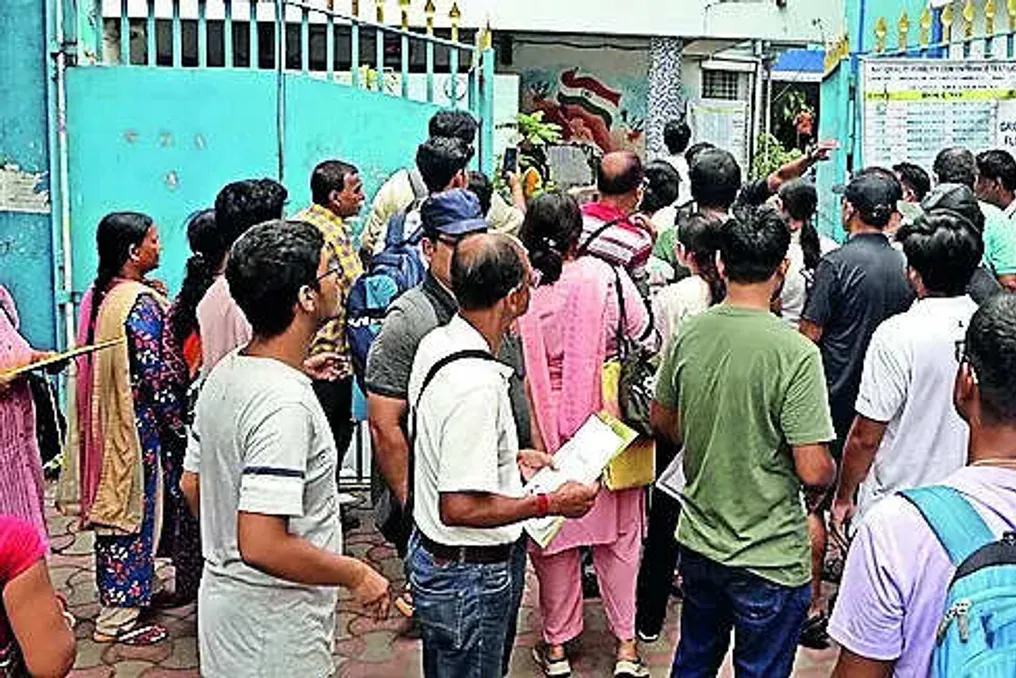
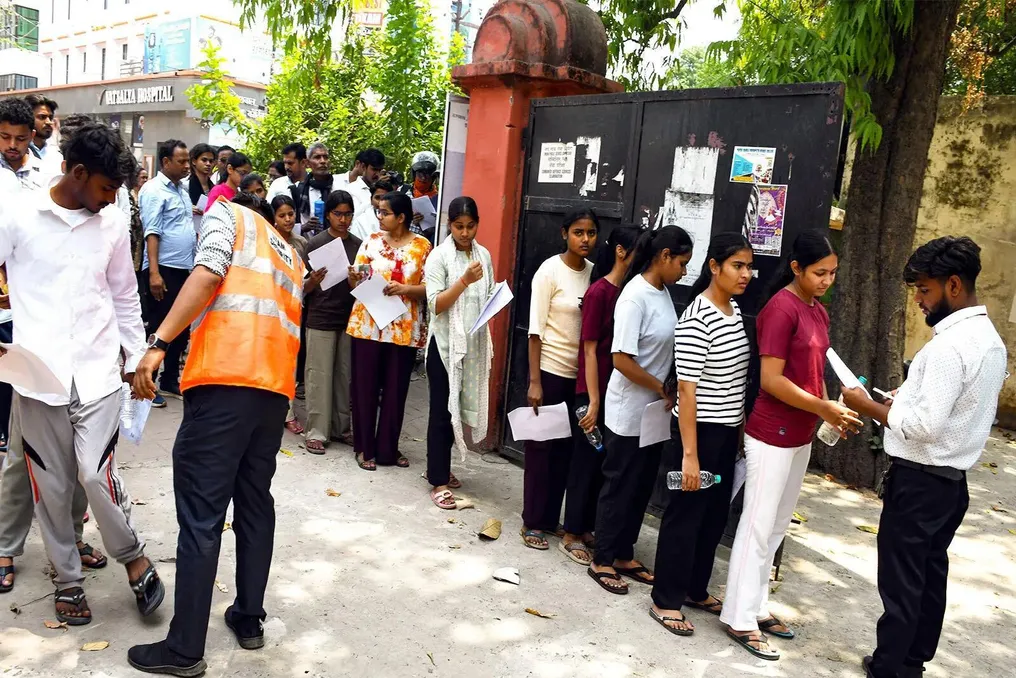
According to data from New Delhi, there was a regional decline in attendance for the NEET-UG exam in 2026. Kerala, Tamil Nadu, and Karnataka recorded high rates of participant absence, while Rajasthan increased its candidate base and demonstrated the highest qualification level among major states.
Attendance Statistics by State
Kerala registered 1.14 lakh registrations, but only 84,664 candidates actually appeared, meaning 29,122 people were absent (25.6%). In Tamil Nadu, 33,893 out of 1.42 lakh registered did not attend (23.8%), and Karnataka recorded 28,288 instances of non-attendance (19.4%).
The absence rate in Maharashtra was lower but still high—9.8%, with 21,749 candidates not showing up for the exam. These figures are calculated based on the total number of registrations. In contrast, in northern regions like Rajasthan and Uttar Pradesh, the absence rate was 7.9% and 7.6%, respectively.
Changes in Registration Dynamics
The number of attendees in Kerala decreased from 1.22 lakh in 2025 to 84,664 this year, representing a drop of more than 30%. The number of qualified candidates in Kerala decreased by 21,546, totaling 51,782. In Tamil Nadu, despite an increase in registrations by 2,336 compared to last year, 27,114 fewer people attended, and the number of qualifiers decreased by 14,875. In Karnataka, the number of qualifiers fell by 17,681.
Growth in Rajasthan and Other Regions
Rajasthan showed the opposite trend: the number of registrations grew by 15.5%, reaching nearly 2.1 lakh from the previous 1.81 lakh. Furthermore, the number of qualified candidates increased by 13,275, totaling 1.33 lakh. The state achieved a qualification rate of 69.3% among those who appeared, which is the highest among large states and strengthens Rajasthan's reputation as a center for medical entrance preparation in the country.
In Punjab, registrations rose by 18.6% to 34,858, and in Jammu and Kashmir—from 50,957 to 56,420. The 'other, including outside India' category more than doubled, increasing from 1,997 to 4,732. NRI registrations increased from 741 to 1,066, representing an increase of almost 44%.