The operator TIM has launched new tariff plans called Ultracombo, which integrate home internet services via fiber optics with a mobile communication plan. These offers are available in certain locations and start at a price of R$89.99 per month.
The operator TIM has launched new tariff plans called Ultracombo, which integrate home internet services via fiber optics with a mobile communication plan. These offers are available in certain locations and start at a price of R$89.99 per month.
The TIM Ultracombo concept is a unified package that combines a mobile plan and home internet based on fiber optics. The novelty has appeared in selected regions, offering starting prices from R$89.99 monthly. The basic option includes 500 Mbps of fiber optic internet and 65 GB of mobile data.
These bundles are formed by combining TIM Ultrafibra services with various TIM Black tariff options. More advanced versions of the packages may include streaming services Paramount+ and Deezer. Depending on the region, Globoplay may be offered instead of Paramount+.
Currently, TIM Ultracombo plans are only offered in some areas, such as the city of São Paulo. Options are also available for Rio de Janeiro. The stated prices are valid when paying through automatic debit. When paying by bill (invoice), the monthly cost of each plan increases by R$10.
It is important to note that unused data from mobile packages accumulates for use in the following month, except for the cheapest plan priced at R$89.99. Jamerson Melo, head of TIM's residential solutions department, noted that convergence is already a market reality, and the operator's task is to provide consumers with compelling reasons to switch or consolidate services, as changing providers is often associated with bureaucratic barriers.
TIM Ultracombo was created precisely to meet this demand, offering a unique solution that simplifies the customer's interaction with the company by combining significant benefits and convenience. Furthermore, during the same week, TIM released new Controle tariffs starting from R$35 per month.
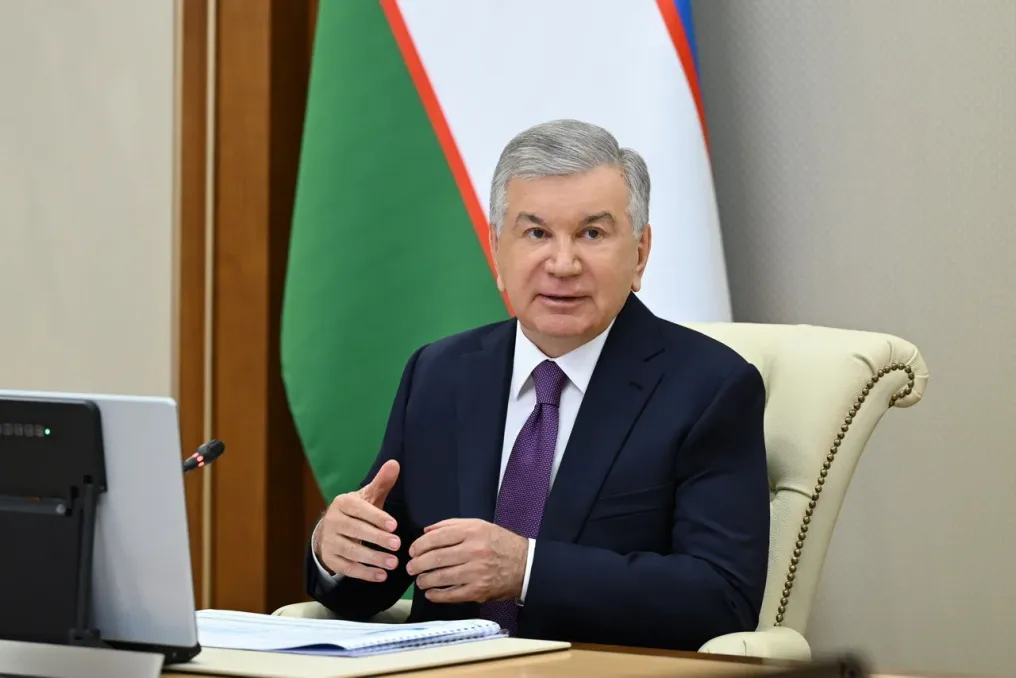
The President of Uzbekistan, Shavkat Mirziyoyev, reviewed proposals aimed at implementing an integrated digital public governance platform, expanding the startup ecosystem, and improving conditions for the telecommunications business. After the presentation, the head of state approved the presented initiatives and issued instructions on improving the quality of digital services and creating a more favorable environment for the private sector.
According to the presidential press service, over the past years, telecommunication service coverage in all settlements of the country has increased from 41% to 98%, and the throughput of international internet traffic has increased by 65 times.
Nevertheless, officials noted that the industry remains insufficiently attractive to local entrepreneurs, which has led to a relatively low level of penetration of wired high-speed internet in rural and remote areas.
To lower entry barriers and optimize the business environment, it was proposed to combine separate licenses for the design and construction of telecommunication networks into a single unified license. This administrative reform will reduce document processing times from 25 to 10 working days.
As part of a key structural change, the integration of fiber-optic communication infrastructure will become a mandatory requirement during the planning, design, and construction stages of all new apartment buildings. According to this directive, high-speed internet connection must be accounted for in the architectural design and installed during the active phase of construction.
Furthermore, young people wishing to start their own business in the telecommunications sector will gain access to preferential financing through the 'Kelajak Tadbirkori' (Entrepreneur of the Future) program. This program provides loans of up to 530 million soms over a seven-year period at an annual interest rate of 15%, including a two-year grace period.
The package of initiatives also includes the introduction of special discounted tariffs designed for telecommunications entrepreneurs operating in difficult-to-reach, mountainous, or remote areas of the country. These regulatory and financial measures are aimed at stimulating nationwide deployment of modern telecommunication infrastructure and reducing the digital divide by expanding access to advanced digital services.