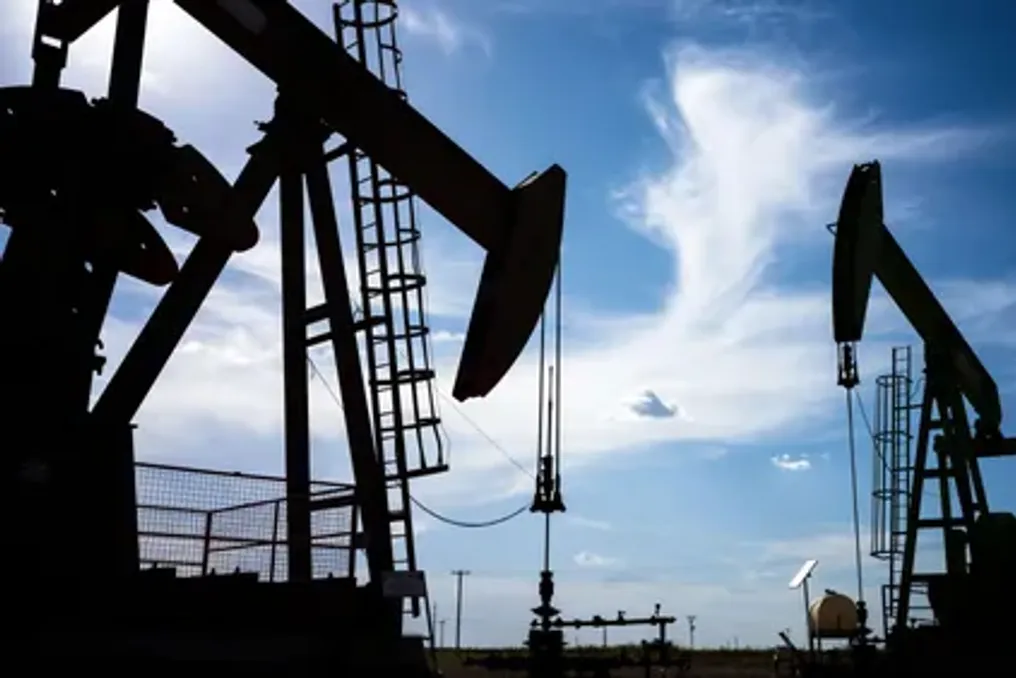
As the war in the Middle East escalates, oil prices continue to rise. Hopes that a significant drop in fuel prices in July would mark the beginning of a downward trend were dashed by the resumption of military actions in the Middle East on July 7th, leading to a sharp increase in international oil prices.
Oil Price Dynamics
Although current prices remain below levels seen before the ceasefire, the price of Brent crude has significantly increased, rising from approximately $72 per barrel at the beginning of July to around $85.
Impact on South Africa
However, this carries negative forecasts for diesel fuel, as an increase of approximately 98 cents for 50ppm and 1.10 South African Rand for 500ppm is expected. These forecasts are accompanied by an important condition: the situation in the Middle East remains unstable, and much more could happen during the remainder of the month.
Currently, a liter of unleaded petrol 95 costs 25.23 South African Rand on the coast and 26.11 South African Rand in Gauteng, while petrol 93 sells for 25.94 South African Rand. The wholesale price of 500ppm diesel fuel is currently 23.91 South African Rand on the coast and 24.78 South African Rand inland, and 50ppm costs 24.41 and 25.16 South African Rand, respectively.
Consumer Market and Forecasts
Although petrol is still showing overspending within a range of 1.14 to 1.18 South African Rand per month, according to data from the Central Energy Fund (CEF), the latest daily data indicates an underspend of about 50 cents per liter. If current oil prices persist, these daily underspends are likely to continue lowering the monthly average, reducing the expected price decrease to about 50 cents or less.
The main takeaway is that any further sustained decline in fuel prices will depend on the resumption of the ceasefire regime between the US and Iran. Over the past week, the US resumed airstrikes against Iranian military targets, while Iran continues to threaten shipping in the Strait of Hormuz and also strikes other targets in the Middle East.
Conflict Escalation
Oil prices rose as the international benchmark Brent North Sea exceeded $85 per barrel following exchanges of attacks between the United States and Iran. On Friday, the US and Iran exchanged attacks, with Tehran striking American assets in the Middle East in the largest escalation since the two adversaries returned to open warfare.
A month after signing a memorandum of understanding aimed at ending the conflict that began in February, Iran accused US forces of striking civilian and energy infrastructure on Friday, including an airport, railway station, and two bridges. State media reported the deaths of at least eight people and injuries to 20 as a result of the night attacks.
This signaled a possible expansion of American strikes focusing on Iranian infrastructure, which President Donald Trump had previously threatened to attack, although no immediate comments followed from US officials.
Prospects and Market Sentiment
Nevertheless, given the rapidly growing economic costs for all parties, there is a willingness to avoid a protracted war. US officials have stated their readiness for negotiations, while regional mediators continue attempts to resume dialogue, according to Al Jazeera.
But as long as the two sides continue to exchange strikes, fuel prices are likely to remain elevated in the foreseeable future. Asian and European stock markets followed Wall Street's lead, where a sharp drop in Nvidia and Amazon shares contributed to a decline of the Nasdaq index by more than one percent on Thursday.
Netflix, meanwhile, fell by more than nine percent in after-hours trading, warning of slowing sales growth in the second quarter. While South Korea celebrated a holiday on Friday, Tokyo and Taipei—both heavily tech-oriented—led the recent sell-off in Asia ahead of the weekend.
The Nikkei Japan closed the day down four percent, with shares of companies such as Advantest, Tokyo Electron, and technology giant SoftBank falling by more than seven percent. Chip manufacturer Kioxia plummeted by 16 percent, representing a loss of about half its value since briefly becoming Japan's largest company by market capitalization last month.
Taiwan's Taiex fell by 6.5 percent by the close on Friday, as chip maker TSMC retreated more than seven percent—a day after announcing record second-quarter profits and plans to invest another $100 billion in Arizona, USA. Sharp declines were also observed in Hong Kong, Shanghai, Singapore, and Sydney, although Bangkok, Manila, and Mumbai rose.
Major European stock markets were in the red, although London remained relatively stable as Britain prepared for a new Prime Minister, Andy Burnham. Shares of British energy giants Shell and BP rose due to rising oil prices, but the luxury fashion brand Burberry fell by more than five percent as investors felt the company's latest trading report did not show sufficient improvement.