The head of Iran's Information Technology Organization, Mohammad-Mohsen Sadr, held separate meetings with representatives from Iraq, Pakistan, and Oman to discuss ways to strengthen cooperation between Iran and these states in the information and communication technology (ICT) sector.
Events in Geneva
These officials met on the sidelines of the first session of the UN Global Dialogue on Artificial Intelligence Governance, which took place in Geneva on July 6 and 7, at the initiative of the UN General Assembly.
Dialogue with Iraq
During the meeting with Iraqi Minister of Communications Mustafa Jabbar Sanad, the parties emphasized the importance of information technologies and artificial intelligence for solving energy imbalance problems, creating smart infrastructure, increasing productivity in the energy sector, as well as developing cooperation in e-government and data transmission. Furthermore, they discussed expanding interaction in digital transformation, exchanging technical experience, and implementing joint projects.
Meeting with Pakistan and Oman
The Iranian official representative also met with Shaza Fatima Khawaja, Pakistan's Minister of IT and Telecommunications. During this conversation, both sides explored opportunities to enhance partnership between Iran and Pakistan in areas such as information technology, e-government, artificial intelligence, digital economy, cybersecurity, and fostering an innovation ecosystem.
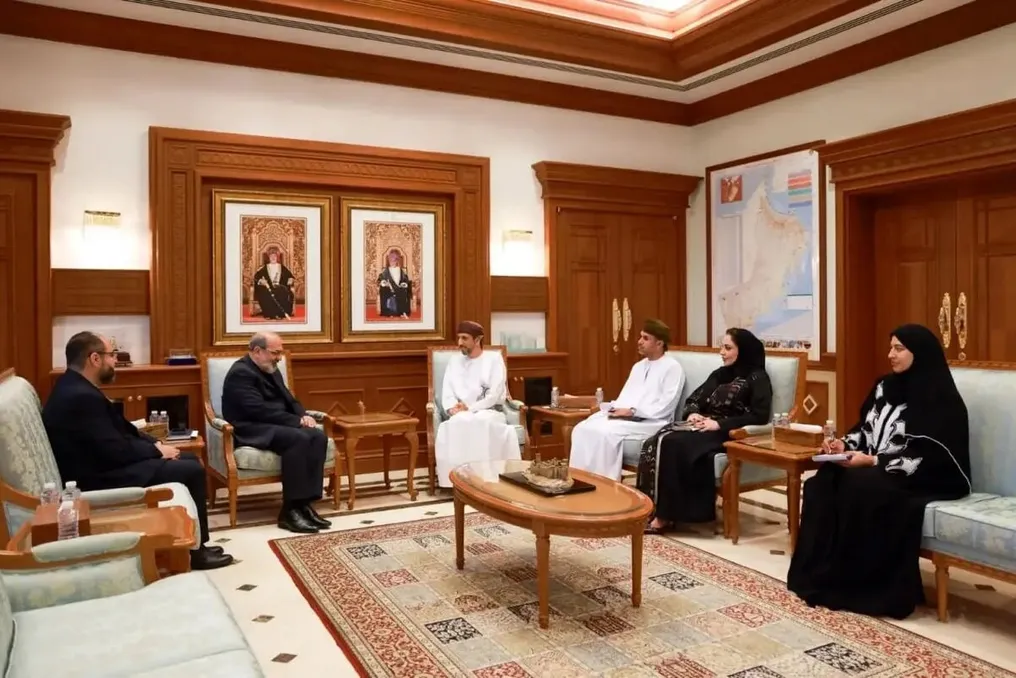
In his X account, Sadr characterized the meeting with the Omani official as constructive. The main focus was on e-government, artificial intelligence, the digital economy, communication infrastructure, and increasing technological interaction between the two countries. He added that both countries possess high potential for deepening digital cooperation and developing joint initiatives in the future digital economy.
Context of the UN Global Dialogue
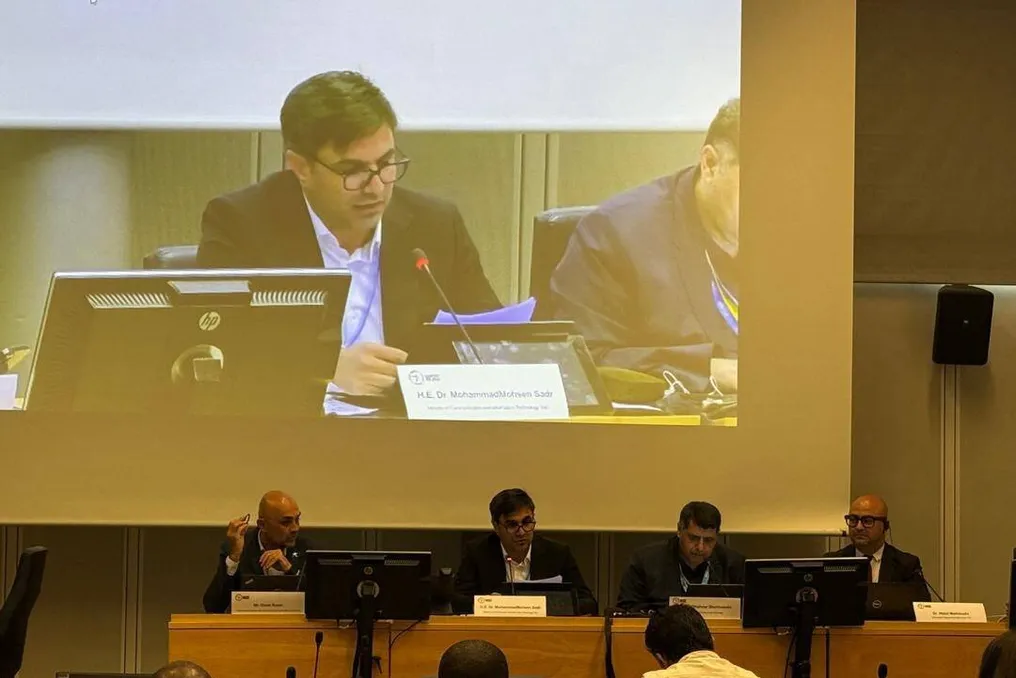
AI governance is defined as the set of rules, standards, and oversight practices that determine how artificial intelligence systems are created, implemented, and controlled; this topic came to the global stage in July 2026. The official representative noted that the seminar on artificial intelligence and the digital government ecosystem, held on July 7 at the headquarters of the International Telecommunication Union (ITU) in Geneva, was well received by participants. It included his presentation and reports from other representatives of the UNDESA E-Government Assessment Division and the ITU Development Sector, as well as university professors.
The UN Global Dialogue on AI Governance became the first intergovernmental platform where all governments and stakeholder groups gathered to agree on AI oversight. It is a direct result of the Global Digital Pact ratified in September 2024. This dialogue brought together all 193 UN member states, as well as the private sector, civil society, academic circles, and the technical community. Within the forum, the first annual report of the Independent International Scientific Commission of the UN on Artificial Intelligence was presented, providing member states with a common evidence base.
It is important to note that the forum does not adopt any binding resolutions or regulations; its goal is the exchange of best practices and the development of common approaches. It ran parallel to the World Summit on the Information Society (WSIS) 2026 Forum and the ITU Global Summit on AI for Good during the same week. The next session is scheduled for May 2027 in New York.
Iran's Position in the Region
Previously, in February 2025, Hashemi stated that the combination of talent, data, and innovation makes Iran a key player in the regional AI value chain, capable of stimulating significant cooperation and development. He emphasized that Iran is a major participant in the regional digital landscape and holds an important position in the Gulf region's AI sphere, being ready to begin cooperation with neighboring states on this matter. These statements were made by him during the Iran Corridor 2025 conference held in Dubai, United Arab Emirates.
He reported that the country's mobile operators, along with thriving digital service platforms such as Snapp! and Digikala, serving over 30 million users, generate a huge amount of multifaceted data—which is a necessary component for AI development, according to Press TV. Despite economic sanctions, Iran has successfully created a resilient fintech ecosystem that continues to develop and implement innovations. Hashemi also noted that the country's scientific and research capabilities have put Iran at the forefront of AI advancements. In 2023, Iran ranked second in the region for the quantity and quality of AI scientific papers, demonstrating a commitment to cutting-edge research. Furthermore, the country ranks second in the region for the number of AI developers and fourth in the region for the number of AI firms, indicating a dynamically developing ecosystem.