The World Health Organization reported the start of clinical trials for two experimental drugs in the Democratic Republic of Congo to combat hemorrhagic fever caused by the Bundibugyo virus.
Experimental Drugs and Treatment Protocol
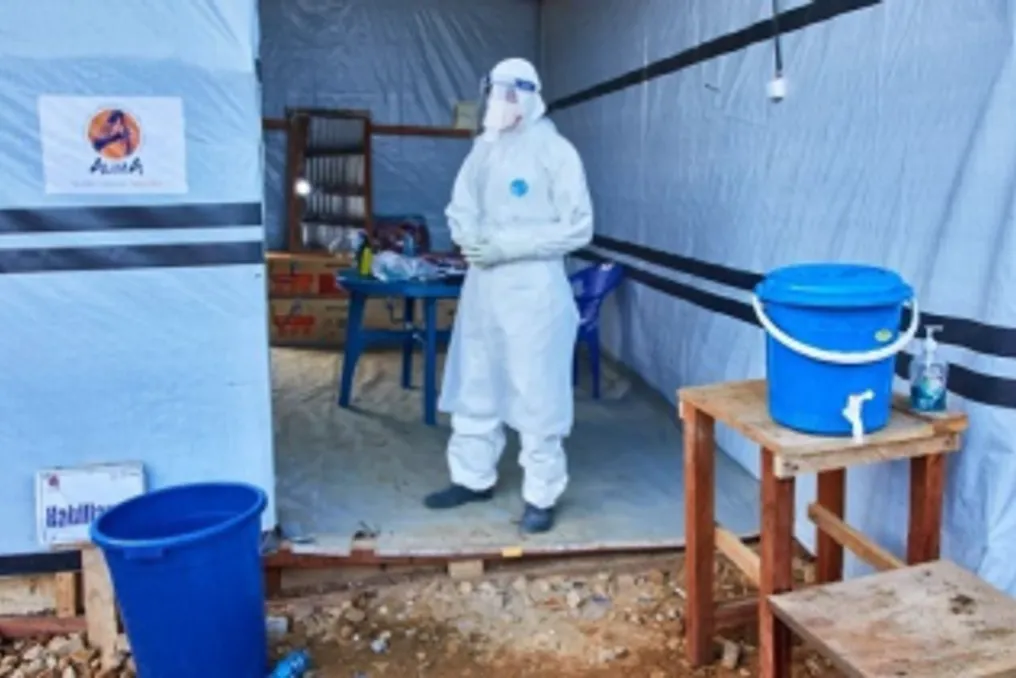
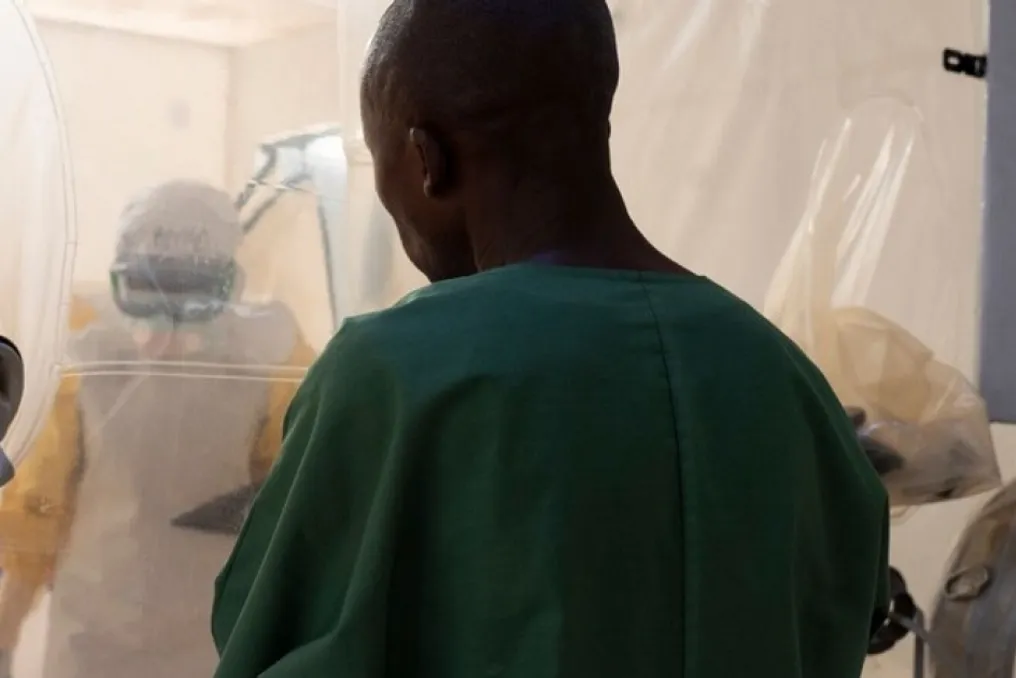
The trials are being conducted as part of the PARTNERS program and include two medications: a mixture of two pan-ebolavirus monoclonal antibodies, MBP134, and a low-molecular-weight antiviral drug from the nucleoside analog group, remdesivir. These agents can be used either individually or in combination. These drugs were included in the guidelines for the prevention and experimental treatment of the infection, which were developed by experts and advisory groups involved with the WHO.
Scale of the Outbreak and Regional Situation
Since there are currently no approved vaccines or drugs against the rare Bundibugyo ebolavirus, the situation remains critical. The outbreak of Ebola fever in Congo and Uganda was reported on May 17, 2026, after which the World Health Organization declared it a public health emergency of international concern.
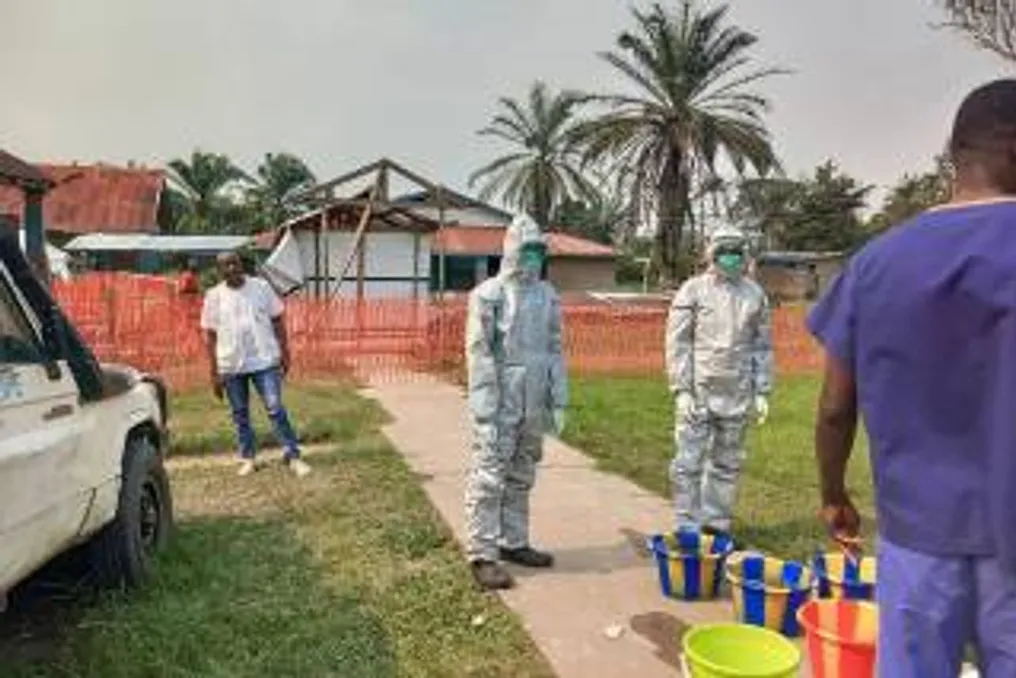
Currently, 1,460 cases have been registered in Congo, leading to 452 deaths, although 208 patients have recovered. An additional 20 cases have been confirmed in neighboring Uganda, including two fatalities, and one imported case has been recorded in France. Experts warn that the true size of the outbreak may be much larger, and there is a possibility that this epidemic could become the worst in history, requiring at least a year to contain.
A Separate Medical Breakthrough
In another area of medicine, Israeli specialists reported achieving the world's first success in treating opioid addiction using ultrasound stimulation of the nucleus accumbens. According to information posted on the website of the British branch of the Rambam Medical Center, a 20-minute procedure helped a patient in the acute phase of withdrawal syndrome reduce cravings, which previously exceeded the recommended drug dose by tens of times, to a zero score out of ten.