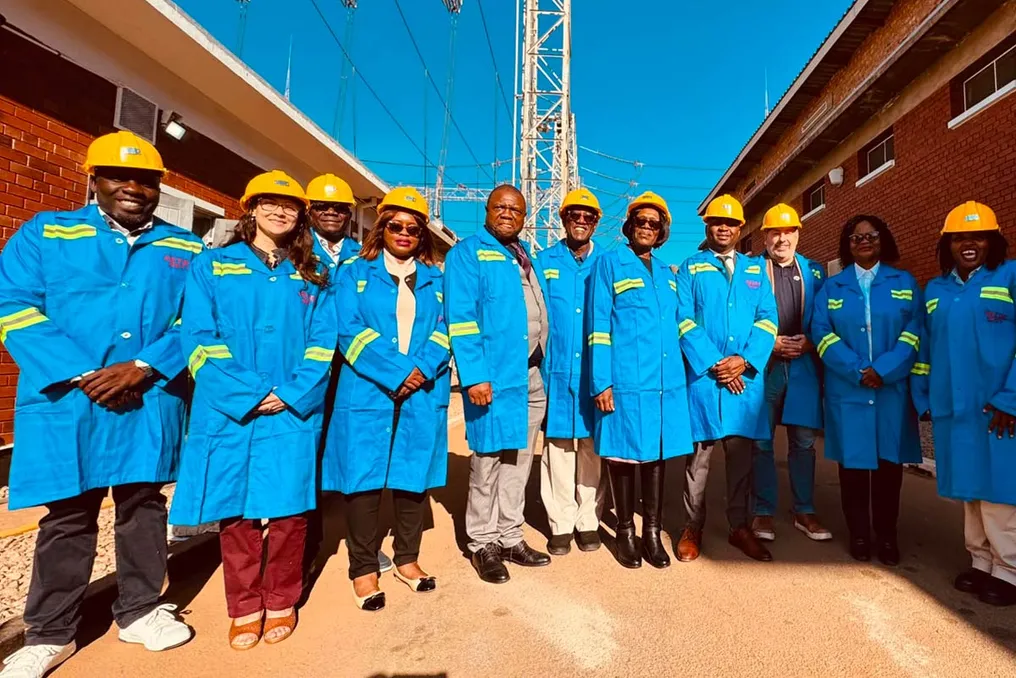
Powertel Communications and Paratus Zimbabwe have announced the launch of the first phase of their cross-border fiber optic project, which has begun transmitting traffic. This step is significant in creating a high-performance digital route connecting Zimbabwe with Botswana, Zambia, South Africa, and Paratus's wider network across Southern Africa.
Partnership and Infrastructure
The new route represents the first major stage of a Public-Private Partnership (PPP) concluded in June 2025 between the two companies. Under this agreement, they are jointly investing in the development of a long-haul backbone fiber optic infrastructure across Zimbabwe. Powertel contributes its national fiber optic backbone, while Paratus provides its continental network coverage, technology, and experience in building telecommunications infrastructure throughout Africa.
The first active route connected to the Paratus network runs between Plumtree and Bulawayo. In addition to adding a new path, it integrates Zimbabwe into the Paratus network, strengthening the cross-border connection, promoting digital inclusion, and supporting economic growth in the region.
Technical Specifications and Plans
The route utilizes Dense Wavelength Division Multiplexing (DWDM) technology, capable of providing a capacity exceeding 10 Tbps. The first phase is already operational with an initial equipped capacity of 800 Gbps, providing significant capacity at present and creating a scalable foundation for future needs. The second phase, which will connect Bulawayo and Livingstone, is scheduled to launch in September 2026 and will complete the three-country corridor.
Company Executives' Comments
Willard Nyagwande, Managing Director of Powertel Communications, noted that this achievement demonstrates the effectiveness of collaboration in achieving goals for national and regional connectivity. He emphasized that the project is planned, built, owned, and operated by Powertel as a licensed national operator within Potraz and the Zesa telecommunications division.
Martin Cox, Chief Commercial Officer of Paratus Group, stated that the launch is another step toward realizing the original vision of creating a connected regional corridor. He recalled that when the PPP was announced last year, the goal was set to create the first high-performance digital corridor linking Botswana, Zimbabwe, and Zambia. Cox expressed delight over the launch of the first phase, which is already bringing tangible progress toward this goal.
According to him, this is not just about fiber optic infrastructure but also about forming the digital foundations that stimulate economic growth, regional integration, and improved access to communication. By integrating Zimbabwe into the Paratus network, the company expands the coverage area of its continuous network from South Africa through Botswana and Zimbabwe into Zambia, ensuring stable connectivity for businesses, service providers, and communities.
Strategic Importance of the Project
Guest of honor Tinashe Yafele, Head of the Energy and Trade Cluster at Mutapa Investment Fund, welcomed the achievement in modernizing the Plumtree-Victoria Falls corridor and the backbone capacity enhancement project. He called this project a significant milestone in Zimbabwe's digital transformation process, given the equipped capacity of 800 Gbps.
Yafele stressed that this represents a strategic investment in Zimbabwe's digital economy, regional integration, and long-term economic development. The project directly supports the goals of Vision 2030, the National Development Strategy, and Zimbabwe's Digital Economy Strategy, strengthening the digital infrastructure necessary for modern commerce, education, healthcare, e-government, financial services, and industrial development. Furthermore, it positions Zimbabwe as a strategic regional telecommunications gateway connecting to South Africa.
Yafele urged Powertel and Paratus to focus on completing the remaining phases of the corridor, extending from Victoria Falls to Livingstone in Zambia, and to continue investing in infrastructure that enhances Zimbabwe's competitiveness and promotes sustainable economic growth. Work on the next phase, which will extend the route from Bulawayo to Livingstone, is actively underway and is expected to be completed within the next quarter, which will strengthen the resilience of the regional network and create new opportunities for trade, innovation, and digital participation across Southern Africa.