A unique location on a 50-acre organic farm in the village of Kepu, located 50 kilometers southeast of Mangaluru, has existed for about 200 years. This land has undergone significant changes: it transformed from a private plot into a place visited by people from various cultures.
Farm Development History
Partha Varanshi, the sixth-generation landowner, shared that his family has always shown an interest in agriculture. He noted that in 1960, his grandfather founded a farming cooperative called CampCo. Partha's parents were also interested in agricultural sciences: his father earned a doctorate in microbiology, and his mother earned one in macrobiology.
As he grew up on this land, Partha observed its multifaceted development. Although the Varanshi family hosted guests and relatives on the farm for the last thirty years, they never conducted commercial activities until a certain incident.
The Birth of Agro-tourism Idea
Around 2006, Partha's friends visited the farm. One of them told him about a girl who had finished 12th grade and didn't know what to do next. When she learned about Partha's farm, she asked if she could spend a few weeks to understand how life on the farm functioned. After two weeks, the girl fell in love with organic farming and enrolled in the horticulture engineering faculty.
This incident prompted Partha to think: if farm life can inspire one person, other city dwellers might also love such a lifestyle, which would be a good break from the urban hustle. The family presented this idea to the Karnataka Tourism Department to promote agro-tourism and decided to launch farm stays in 2014.
The idea of inviting volunteers came to Partha in 2007 while he was studying molecular biology in Australia. He recalled the concept of WWOOFing, where interested people can work on a farm while receiving food and accommodation. The Varanshi family approved this exchange model and began hosting volunteers in 2014.
Fundamentals of Organic Farming
While staying, volunteers participate in various organic farming activities, including harvesting, sowing seeds, and subsequent processing of agricultural products. They learn composting techniques using farm waste to create biofertilizer that nourishes the fields growing rice, coconut palms, chili, and spices.
Guests are provided with meals, with 95 percent of the dishes prepared for volunteers coming directly from the organic farm. Over 21 days, volunteers study the basics of organic farming. Partha, his family, and local residents give tours of the property, explaining the concept of regenerative agriculture and discussing why chemical fertilizers are harmful to crops and what alternatives exist. Guests particularly value the cocoa trail, where they are shown the entire chocolate production process from bean to bar.
Those interested can take a five-day certification course for 20,000 rupees. Additionally, Partha's team teaches vital skills such as first aid and CPR, and provides opportunities for swimming, kayaking, and trampoline jumping under certified instructors. Demonstrations of all activities are free, but certification is paid.
Unique Experience and Sustainability
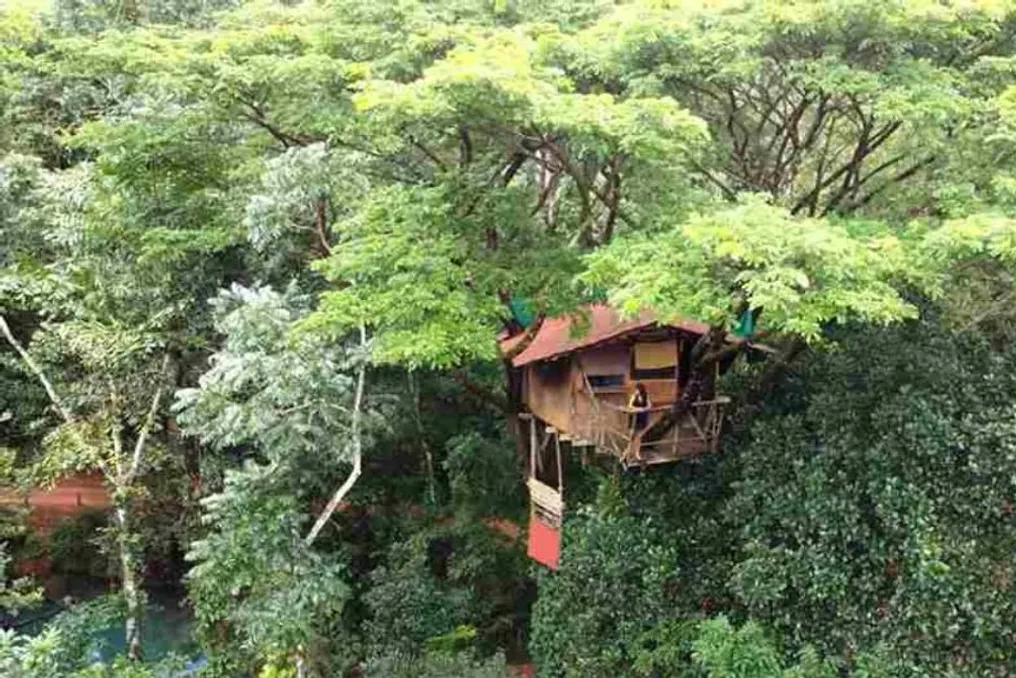
The main attraction of the stay is the treehouse, which stands 55 feet high. This house, built by local villagers, has one room with a king-size bed and a desk. The balcony offers a view of the 55-foot cliff and lush greenery. The treehouse is available for 6,000 rupees per night, including accommodation and food, and the farm hosts about 15 volunteers monthly.
Anupama Augustine, one of the volunteers representing a group of researchers from Kerala University, described it as a 'return to nature and self-discovery.' She noted that the tours and interactive sessions with Partha revealed the subtleties of regenerative agriculture and the farm's cultural heritage, teaching her to appreciate nature more.
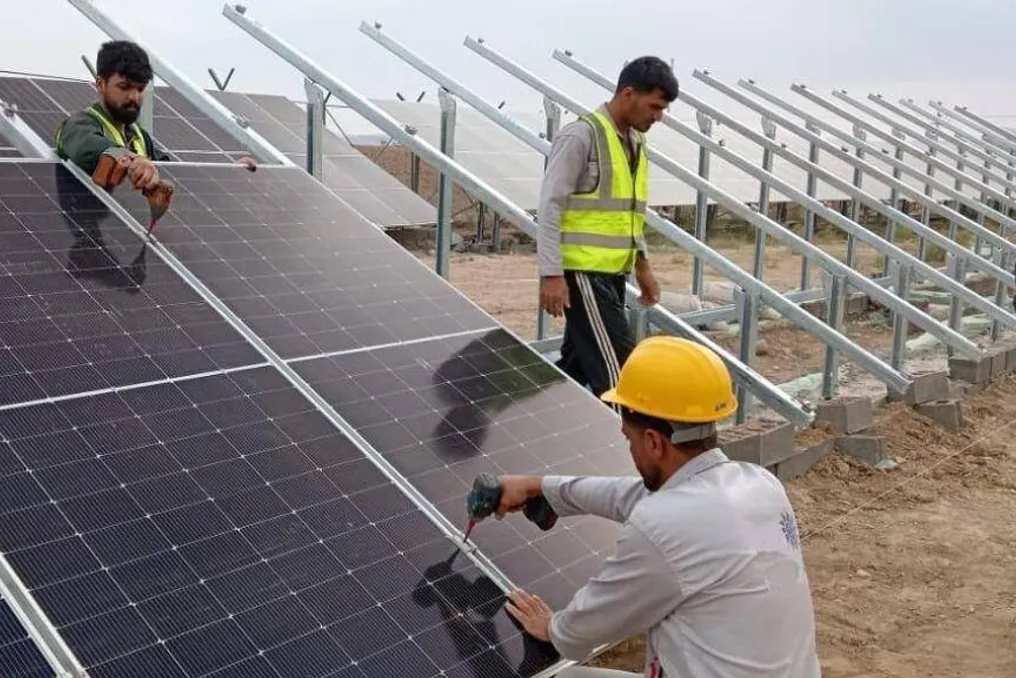
Partha emphasizes that besides creating a green space for city dwellers, they focus on sustainable development. The farm uses waste for composting and is equipped with a biogas plant. Solar panels with capacities of 7.5 kW and 2.5 kW are also installed on the site, along with eight natural ponds and an 80-foot deep well for rainwater harvesting. About 55 people from the village of Kepu participate in the farm's operations, cooking, cleaning, and making biofertilizers.
Despite the successes, Partha points out an issue in the relationship between city dwellers and locals. Locals sometimes have difficulty communicating with city volunteers, and some have even reported to the police regarding receiving money from city residents for work. To resolve this, the Varanshi family conducts workshops, such as 'Mud Day,' to explain the purpose of these volunteer programs to the local community.
Nevertheless, city dwellers are thrilled with life here. Partha reported having hosted volunteers from 15 different countries, including America, Canada, France, Germany, the UK, Scotland, Australia, Japan, and Vietnam. The Varanshi family also plans to develop cottages for family holidays. His father, Dr. Varanshi Krishna Murthy, expresses pride in how the land has changed, becoming a place where people can escape daily life.