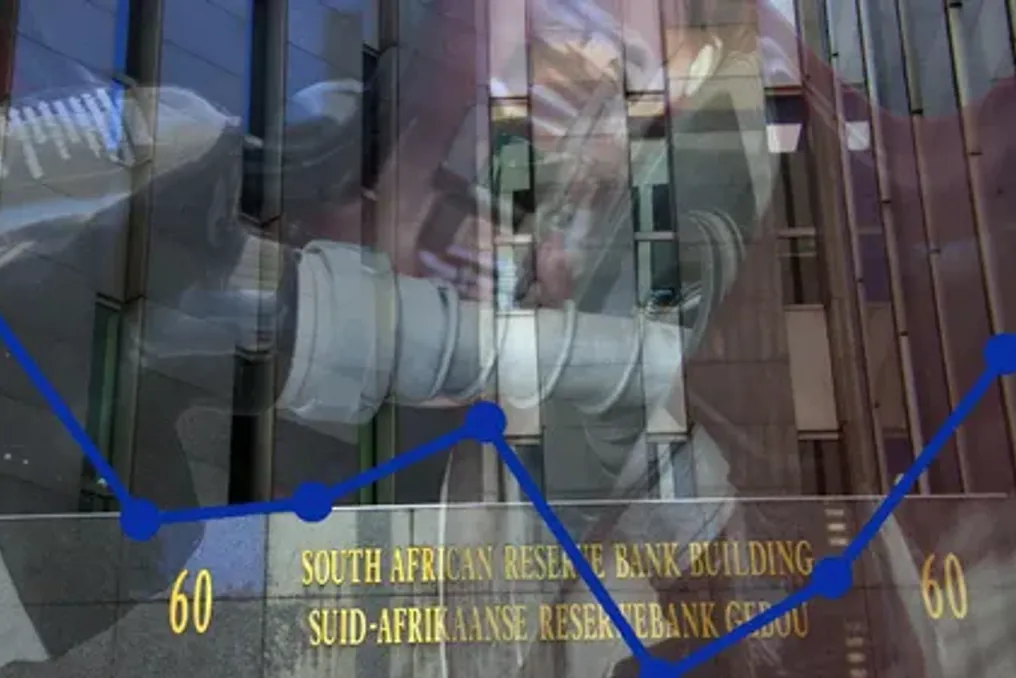
Perspectives remain extremely unstable as decision-makers weigh their next move. Meanwhile, inflation is at the upper limit of the target range, and the rand is under constant pressure due to global uncertainty. Furthermore, the Monetary Policy Committee (MPC) concluded its three-month pause in May.
Analysis of Borrowing Costs
According to Prizm Property Partners, the lowest interest rate in a generation did not equate to the cheapest money. In September 2020, the prime rate stood at 7%, which was the lowest level in decades. With an inflation rate of 3.2%, the real cost of this debt was only 3.8%.
The Durban-based company notes that by July 2022, the prime rate had risen to 9% and continued to climb. However, with inflation at 8%, the real cost of borrowing fell to just 1%—the lowest for the entire period covered by the chart.
Subsequently, by February 2026, the prime rate dropped to 10.25% from its recent peak, which was perceived as a relief. Nevertheless, when inflation reached 3.2% again, the real cost of debt was 7.1%, one of the highest figures in the series.
Three Critical Points
Prizm argues that this indicates three turning points where the nominal rate and the real cost of borrowing moved in opposite directions. The company adds that using the contract rate as the actual payment rate is one of the most costly habits in the South African property financial sector.
The most striking example relates to the beginning of the series: in January 2004, the prime rate was 11.5%, while overall inflation fell to 0.4%, implying a real cost of debt above 11%, the highest figure on the chart. However, this inflation figure was distorted.
The rand more than doubled compared to the 2001 crisis low, which suppressed import and fuel inflation. Moreover, during that period, the CPI still included interest on mortgage bonds, which had recently been lowered by Reserve Bank rates, mechanically pulling the figure toward zero. According to Prizm, if this measure, which the bank focused on, were excluded, inflation was closer to 4%, and the real cost of debt closer to 7% or 8%, which is still high but not 11%.
What They Say About the Upcoming Decision
Analyzing the full spectrum of data—prime rates, inflation, currency fluctuations, tenant economics, and equity conditions from 2004 to the present, collected from SARB, Stats SA, and JSE—reveals a clear divergence. The question arises: what worries underwriters more now—the 'cheap money' of 2020, which they did not have, or the current easing cycle, which seems cheaper than it actually is?
David Ingle, Chief Property Specialist at Seeff Bedfordview, Edenvale & Modderfontein, noted that most people will watch the outcome after the SARB meeting on July 23rd, but those making sound decisions are paying attention to events leading up to it.
He emphasized that the preparation process for the decision provides almost as much information as the decision itself. Given high inflation, rand pressure from global uncertainty, and the fact that the MPC already suspended its three-year pause in May, prospects remain very balanced while policymakers decide on the next step. Ingle added that he would not be surprised by either maintaining the current rate or a slight increase.
However, he will closely monitor the tone to understand whether SARB is signaling a one-off reaction to global shocks or the start of a longer cycle. In his words, the tone will have a much greater impact on buyer confidence than the number itself.
Analyst Commentary
Earlier this week, Bianca Lakha, a stock analyst, stated that when the Reserve Bank last met in May, it did something it hadn't done since 2023—it raised interest rates to 7%, catching much of the market off guard.
She believes the decision on July 23rd will be more complex than headlines suggest. Although the hike appears justified at first glance due to three consecutive months of rising inflation and reaching 4.5% in May (the highest level in nearly two years), a detailed look reveals that almost all this growth is driven by fuel: gasoline prices rose by almost 25% in a year, and diesel by over 50%, linked to oil prices and the Middle East conflict. If fuel is excluded, inflation barely changed from 3.7% over an entire year, while food prices are actually falling.
In Lakha's view, this puts the Bank in an awkward and familiar dilemma: should it raise rates to combat a supply shock that it did not cause and cannot fix? Higher rates will not affect the price of diesel, but they might prevent the spillover of a one-time shock onto wages and expectations over time. This is the fine line Governor (Lesetja) Kganyago walks, which is why he constantly returns to the risk of secondary effects.
Despite this, the stock analyst believes her base case is holding the rate steady, but it will be a nervous hold, not a comfortable one. She added that for other observers, the message is quite reassuring: 'The rate cut that many households expected has not disappeared. It is simply waiting for the barrel of oil to run out.'