The English government is preparing to introduce one of the strictest measures to protect children's health, which includes a ban on the purchase of high-caffeine energy drinks for individuals under 16 years old.
Details of the new ban
According to an announcement made on Thursday, the sale of drinks containing more than 150 milligrams of caffeine per liter will be prohibited for anyone under 16 starting from April next year, pending parliamentary approval. This restriction will apply to supermarkets, small shops, cafes, restaurants, vending machines, and online retailers.
This decision comes amid warnings from ministers that approximately 100,000 children in England consume high-caffeine energy drinks daily. These drinks are linked to poor sleep, increased anxiety, reduced concentration, and general decline in well-being.
Risks to the developing brain
Experts note that children and adolescents metabolize caffeine differently than adults because their nervous system and brain are still developing. This makes them more vulnerable to stimulants that can negatively affect mood, attention, and emotional regulation.
According to Johns Hopkins Medicine, nearly one in three teenagers aged 12 to 17 regularly consumes energy drinks, raising concerns among pediatric specialists regarding the long-term impact on children's physical and mental health. These drinks often contain more caffeine than two cups of coffee, as well as large amounts of sugar and other stimulants.
Medical professionals warn that excessive caffeine consumption in young people can trigger headaches, agitation, rapid heartbeat, arrhythmia, dehydration, panic attacks, and, in rare cases, seizures. Regular consumption is also associated with increased anxiety, stress, aggression, and symptoms of depression, while sleep disruption can affect memory, learning, and school performance.
Additional issues and brands
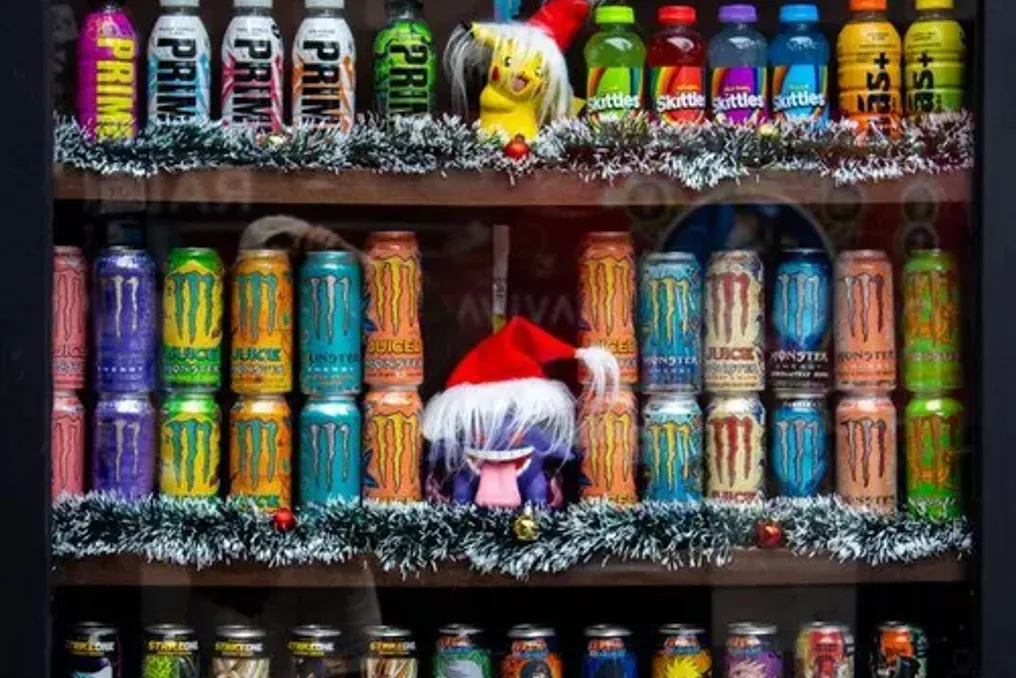
The sugary versions of these drinks create an additional problem, as the British Dietetic Association warns that they contribute to childhood obesity and dental caries, placing a double burden on young people's health. Under the new rules, popular brands such as Red Bull, Monster, Relentless, and Prime Energy will no longer be legally sold to individuals under 16, as they exceed the established caffeine threshold. Furthermore, the legislation does not affect less potent non-alcoholic beverages like Diet Coke, nor tea or coffee.
The Minister of Public Health, Sharon Hodgson, stated that this ban 'demonstrates our firm commitment to creating the healthiest generation of children.' If the law is approved by Parliament, businesses violating the rules could face fines of up to £2,500. The proposal is based on the results of public consultations involving about 1,100 people, the majority of whom supported the introduction of age restrictions.
Disagreements and alternatives
Not all parties support this measure. Catherine Jenner, CEO of Obesity Health Alliance, welcomed the step, calling the restriction on selling drinks to children 'simply common sense.' However, the British Beverage Association stated that the legislation was unnecessary, noting that its members have voluntarily refrained from promoting the sale of such drinks to those under 16 since 2010, and all high-caffeine drinks carry a 'not recommended for children' label.
Nevertheless, health activists argue that warning labels alone have failed to reduce consumption among young people. This policy also represents a departure from previous government decisions, as a similar restriction was proposed under the former Conservative government but was withdrawn in 2022.
Scotland, Wales, and Northern Ireland are also considering introducing similar restrictions. Experts advise parents to choose water as the healthiest option for hydration, as well as low-fat milk, fortified milk alternatives, unsweetened coconut water, and diluted fruit juice. They emphasize that even after sports activities, most children only need water to replenish fluids.