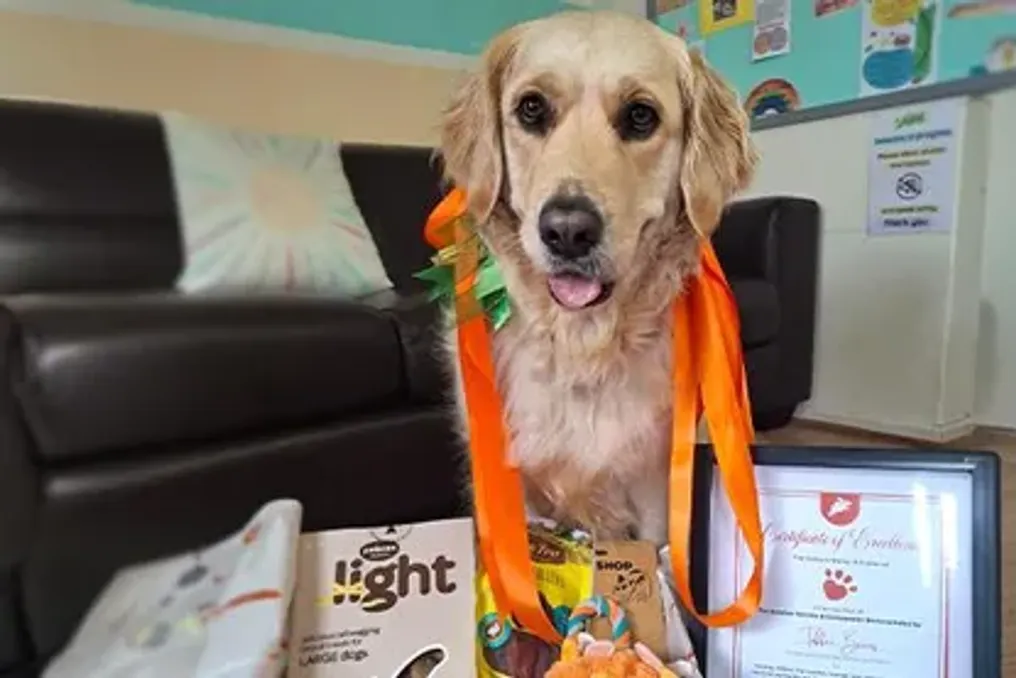
Animal therapies, such as Toffee Beanz, have a calming effect, helping children feel more comfortable during trauma therapy and other emotionally difficult experiences.
Therapy for Children
For children who have experienced abuse, neglect, or mistreatment, discussing painful memories can seem like an insurmountable task. Simply sitting opposite an unfamiliar adult in a therapist's office is difficult enough, and in court, where they might be asked to recount traumatic events to strangers, it seems almost impossible.
In such situations, animal therapy can have an exceptional impact. At the Jelly Beanz Foundation, a non-profit organization supporting families and children affected by trauma, the therapy dog Toffee Beanz has become a beloved member of the team. She was carefully chosen at five weeks old due to her calm temperament and specifically trained for this work. Now she spends her days with therapists, helping children feel safe enough to begin opening up.
Children who struggle to trust adults often react differently to a gentle, non-judgmental dog. Stroking soft fur, feeling a warm head on their lap, or simply being in the same space as a calm companion can reduce anxiety and create a sense of security that words alone sometimes fail to achieve.
New Discussions About Therapy Dogs
Recently, Toffee accompanied a child she had been supporting in therapy to court, providing comfort during an emotionally charged process. This incident sparked important discussions about how emotional support animals could enhance trauma-informed approaches within the South African justice system.
Toffee's time in court was aimed at continuing one child's healing process and exploring ways to make court proceedings less frightening for vulnerable young witnesses in the future. As Edith Kriel explains, the goal is not for Toffee to be present at every hearing, but to help pave the way for more child-friendly methods of testimony support.
Various Ways Service Dogs Help
Therapy dogs are only part of a much broader picture. Across the country, guide dogs and other service dogs help people with disabilities navigate the world with greater confidence and independence. Although their tasks differ, these wonderful animals share an important mission of promoting fuller participation of people in daily life.
Behind every working dog is immense teamwork. Years of careful breeding, behavioral assessment, socialization, specialized training, and constant veterinary care prepare dogs for the duties they will undertake. Organizations like the South African Guide Dog Association rely on volunteers, donors, and corporate partners to continue this transformative work. Among these partners is Dotsure, which helps cover veterinary costs and training for future guides, and also offers pet insurance for assistance dogs.
The Significance of Mandela Day
Kindness is easy to measure in grand gestures, yet it is often found in quieter moments. A volunteer dedicating a year to raising a future guide; a therapist patiently talking to a child; or a golden retriever resting its head on small knees until a frightened child is ready to speak. These moments may seem ordinary on their own, but together they create something extraordinary. On Mandela Day, we are reminded that support comes in many forms, and even the gentlest act of care can help someone find the confidence for the next step.