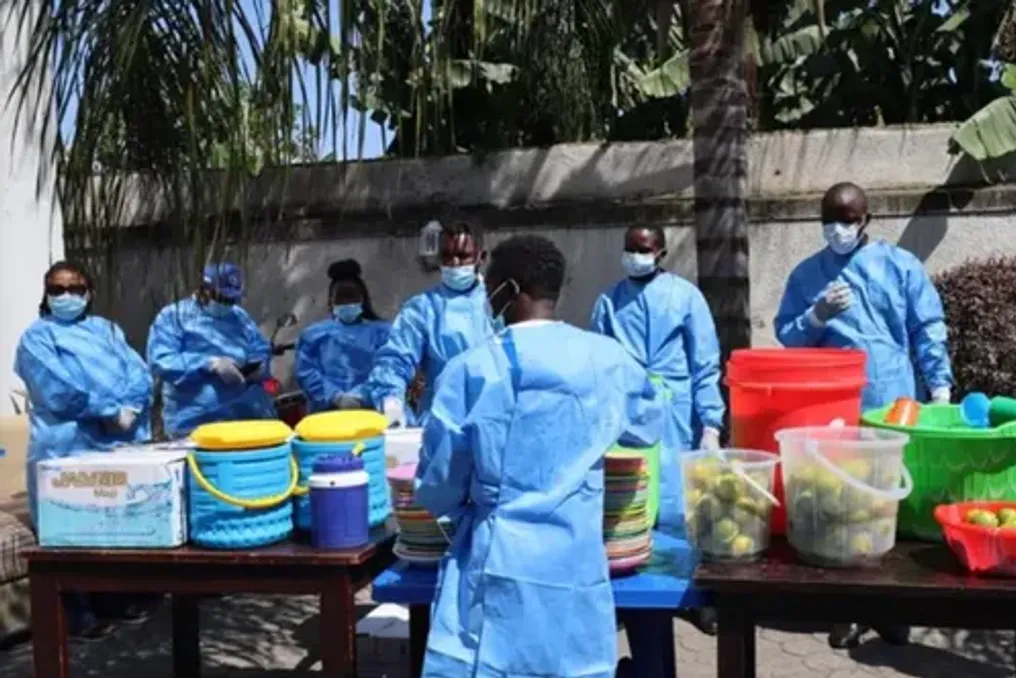
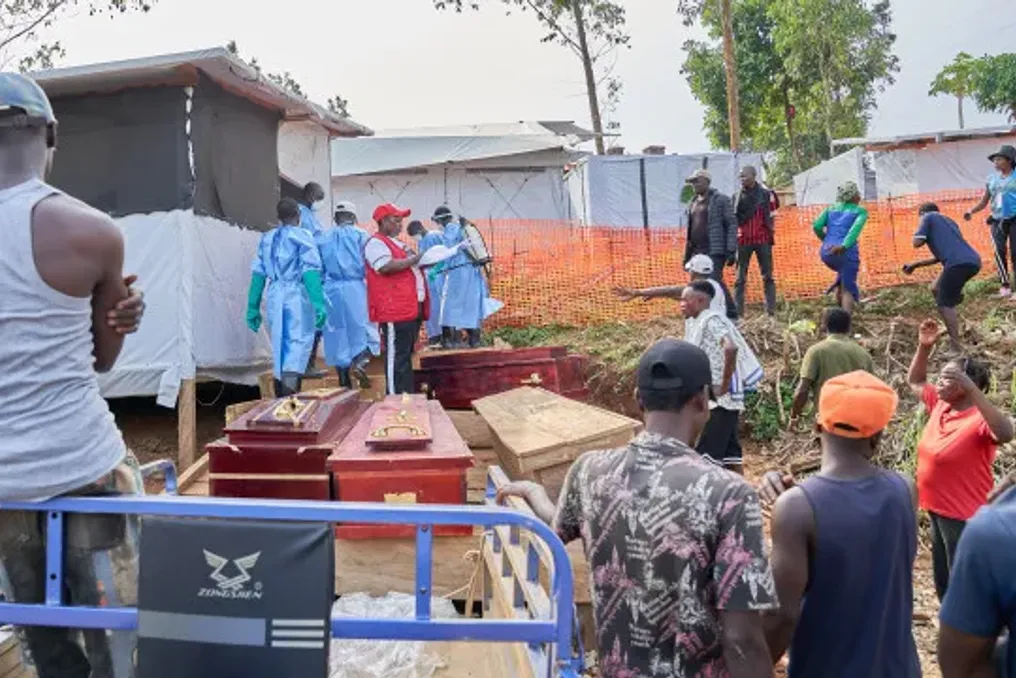
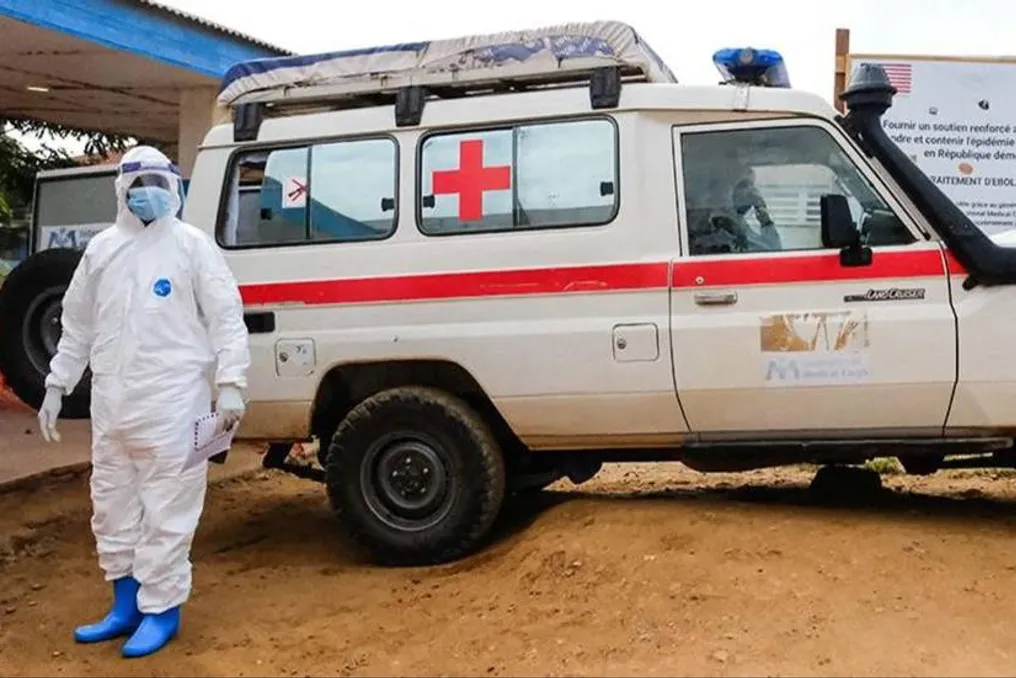
According to the latest report released by the Ministry of Communication and Social Media of the DRC, data collected up to July 4 indicates that there have been 1,561 confirmed cases of Ebola. The current mortality rate reaches 32.4%.
Epidemic Situation in the DRC
At this moment, 628 individuals are in isolation or receiving hospital treatment, while 253 people have already recovered from the disease. The outbreak was formally recognized on May 15 in the Ituri province, which serves as the central point of the epidemic, located on the border with Uganda and South Sudan. However, the disease has also spread to the Congolese provinces of North Kivu and South Kivu.
International Spread and Cases Abroad
The epidemic has also reached Uganda, where 20 cases of infection have been recorded. Of these, 15 are considered imported from the DRC, resulting in two deaths in this neighboring country.
Case in the French Government
Additionally, the French Government confirmed the identification of the first positive case of Ebola virus disease in its territory. This case belonged to a doctor returning from a mission in the DRC and, fortunately, has already recovered and is no longer at risk of life.
Virus Characteristics and Global Assessment
The current outbreak is associated with the Bundibugyo strain, whose lethality rate fluctuates between 30% and 50%. The World Health Organization (WHO) reported that there is no approved vaccine or specific treatment for this strain. The WHO classifies the risk of epidemic spread in Sub-Saharan Africa as high, although the global risk is considered low.
The WHO estimated that the virus began circulating in Ituri approximately two months before the official declaration of the outbreak and classified the situation as a 'public health emergency of international concern' on May 17. This episode represents the third most severe Ebola epidemic ever documented.
Historical Comparison and Transmission
This outbreak is surpassed only by the epidemics that occurred in West Africa between 2014 and 2016, which caused about 11 thousand deaths and 28 thousand infections, and the one that occurred in eastern DR Congo between 2018 and 2020, responsible for 2,299 deaths and 3,481 cases. The Ebola virus is transmitted through direct contact with the body fluids of infected people or animals, manifesting with severe hemorrhagic fever, vomiting, diarrhea, and internal hemorrhages.