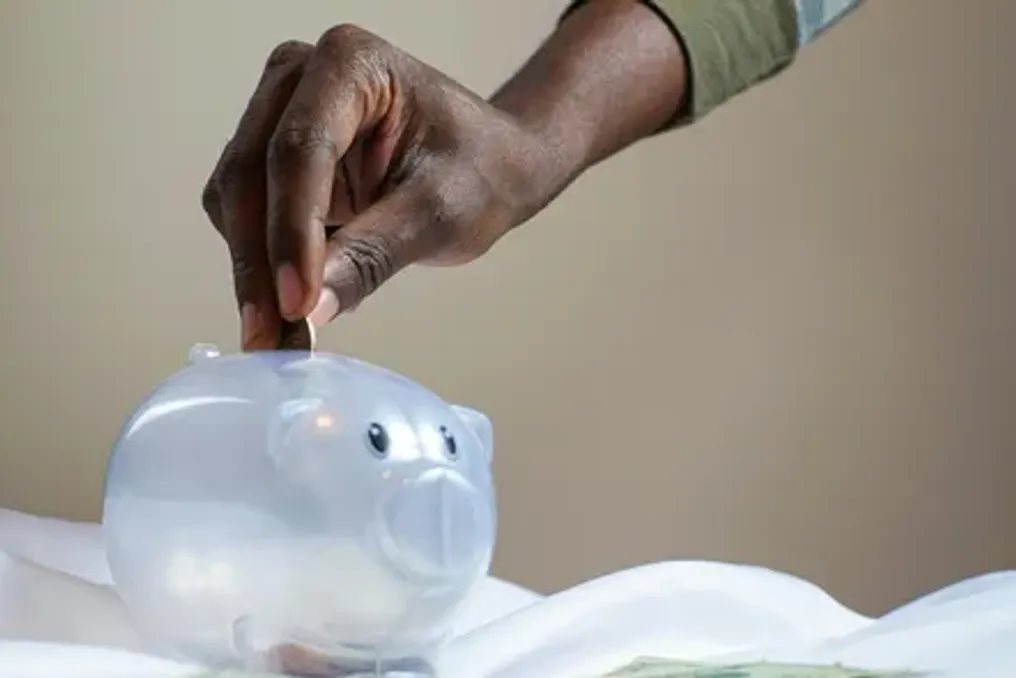
The National Debt Counselling Association (NDCA) warns that a significant portion of the South African population cannot afford savings because their income is entirely consumed by the rising cost of living and loan repayments.
Structural Accessibility Problem
During National Savings Month, which aims to encourage consumers to improve financial stability, the NDCA emphasized that for many households, the issue is not a lack of financial discipline but structural accessibility constraints. Major expenses and debt repayment consume most, and sometimes all, of the monthly income.
The association's warning is supported by the latest Consumer Sentiment Survey from TransUnion. According to this survey, 39% of South Africans expect to miss at least one bill or loan payment, and only 37% believe their income keeps pace with inflation. Furthermore, almost eight out of ten respondents (79%) cited inflation as one of the main household financial problems, indicating pressure on already strained budgets.
Three Consumer Categories
NDCA Chairperson Rene Munsami identified three main consumer groups. The first group consists of those who consciously forgo savings while being capable of doing so. The second group has saving potential but prioritizes other expenditures. The third group simply cannot afford to save because their income is entirely spent servicing debts and essential needs.
Munsami noted that providing information and advice on the importance of saving can help the first and second groups, but it will not solve the problem for the third. He clarified that this group suffers from a structural accessibility problem that cannot be resolved by a simple call for more active saving.
Causes of Negative Cash Flow
According to Munsami, the problem lies not in poor financial discipline but in negative cash flow. This occurs when mandatory monthly expenses, such as housing payments, car loans, insurance, school fees, utilities, and debt repayment, exceed the monthly income received.
Consequences of Lacking Reserves
When unexpected situations arise, such as a car breakdown or medical bills, consumers are often forced to use emergency savings, which are depleted first. As a result, they resort to loans to cover unforeseen expenses, triggering a cycle of borrowing that increases monthly payments and leaves even less for savings.
Munsami advised households to regularly check bank statements to identify unnecessary recurring deductions that reduce cash flow. The goal should not be to find an extra R200, but to prevent the need to borrow R200 next month. It is also important to understand when further expense reduction will not yield significant results, as most of the income is already directed towards covering basic needs and debts.
Ways to Solve Financial Difficulties
In cases where the situation cannot be improved by cutting expenses, restoring accessibility may require debt restructuring through consolidation loans, negotiations with creditors, or seeking debt counselling. Munsami warned that attempts to save by relying on expensive credit to cover daily expenses put consumers in a trap of constant borrowing. In such situations, more fundamental interventions, including debt counselling, can help.
A registered debt counsellor will assess the client's financial situation and, if necessary, develop a structured repayment plan, making payments more manageable and protecting the debtor's legal rights. Munsami refuted the idea that seeking help is an admission of personal failure, stating that early intervention, conversely, prevents the escalation of financial problems, protects assets from creditors, and lays the foundation for long-term recovery. He concluded that financial stability is measured not by the amount saved today, but by taking practical steps toward achieving a sustainable financial future.