Although South Africa is often associated with sunny beaches and summer road trips, winter here is no less appealing. July offers exceptional opportunities for wildlife viewing, the return of southern whales, the first signs of wildflowers blooming, and cool days perfect for relaxing in mountain cottages by a fireplace.
Peak Safari Season
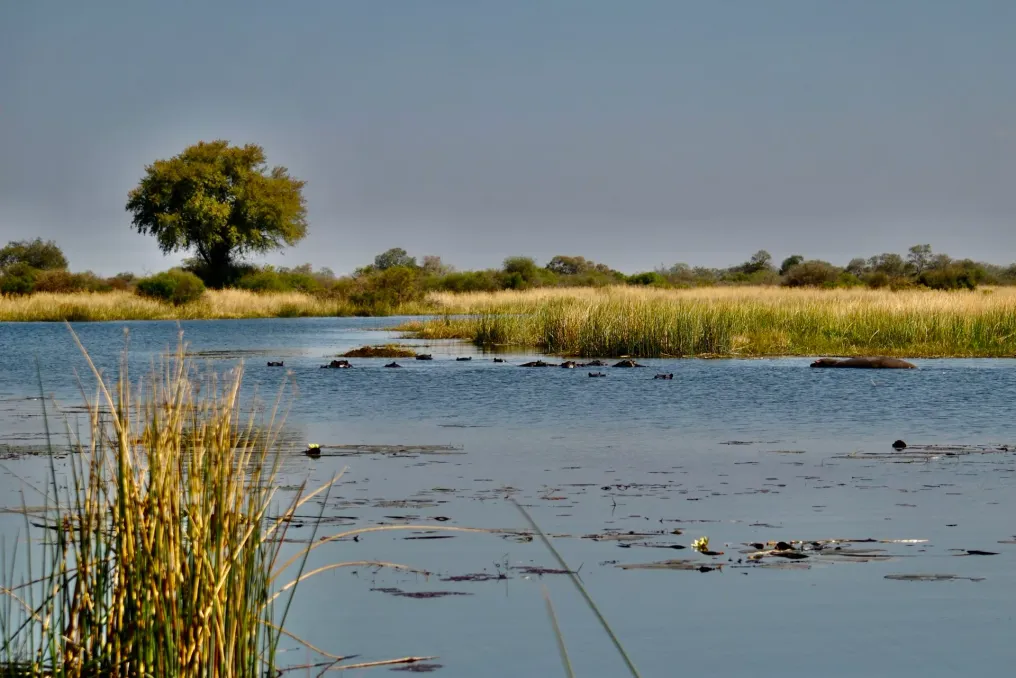
Winter is considered one of the best periods for wildlife viewing across South Africa. As the grass dries up and trees shed their leaves, visibility significantly improves, making it easier to spot wild animals. Furthermore, natural water sources become scarcer, forcing animals to gather around rivers, dams, and watering holes, where sightings are often more frequent.
Morning safaris can be cold, but by midday, temperatures in many safari regions usually become mild and comfortable. Among the best destinations for safaris in July in the country are:
- Kruger National Park – excellent chances to see the Big Five, and the cooler weather makes long safari drives more pleasant.
- Addo Elephant National Park – winter is perfect for observing large herds of elephants gathering at watering holes, while buffalo, lions, and various antelopes remain active during the day.
- Madikwe Game Reserve – a malaria-free reserve known for superb predator viewing, including African wild dogs.
- Pilanesberg National Park – an accessible location to view the Big Five, situated near Johannesburg.
- Kgalagadi Transfrontier Park – dry winter conditions create exceptional opportunities to observe lions, cheetahs, and other predators against a backdrop of stunning desert landscapes.
For wildlife photographers, the softer winter light and reduced haze make July one of the most productive months of the year for camera work.
Return of Southern Whales to the Cape Coastline
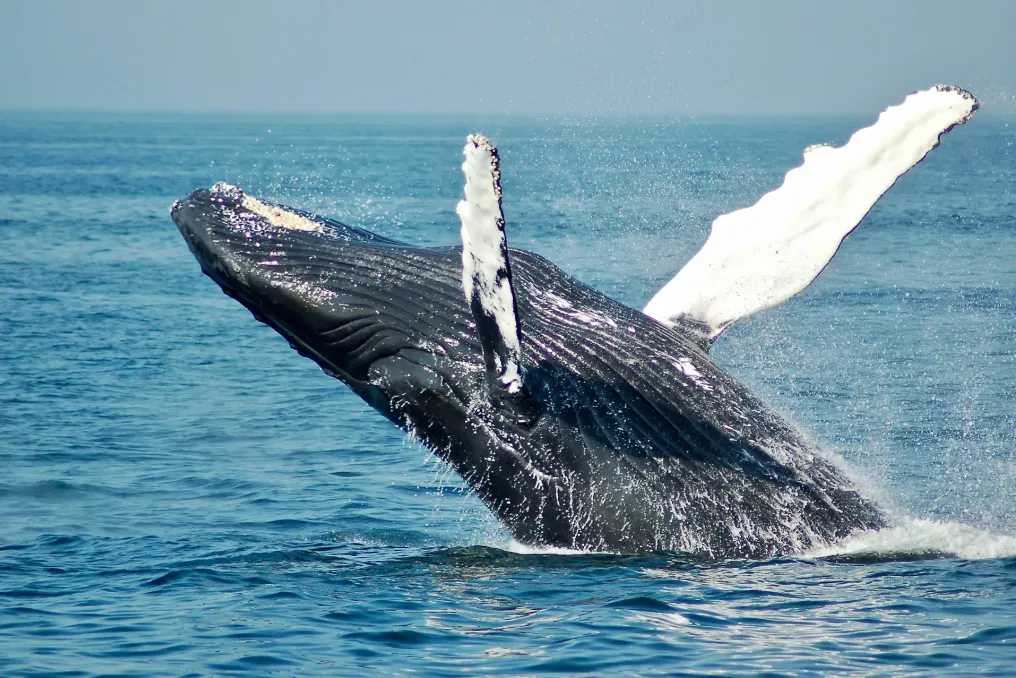
July marks the beginning of whale season in South Africa, as southern whales migrate from Antarctic waters into the country's protected bays for mating and calving. One of the main advantages is that a boat trip is not required. Many of the best whale-watching spots are located on coastal trails, cliffs, and beaches.
Top whale-watching locations include:
- Erfmarine, world-renowned for its land-based whale watching.
- De Kelders, where towering cliffs provide spectacular viewing opportunities.
- Gansbaai, combining whale watching with dramatic coastal scenery.
- De Hoop Nature Reserve, where whales can often be spotted from pristine beaches.
- Plettenberg Bay, which also hosts humpback whales later in the season.
Although the highest number of whales usually arrives in August and September, visitors in July often receive the reward of quieter viewing spots and the excitement of the season's start.
First Wildflower Bloom
When people imagine the wildflower season in South Africa, August usually gets more attention. However, depending on winter rainfall, late July often brings the first colorful sights across the western part of the country. While the famous flower carpets are still forming, early visitors can enjoy quiet roads and the gradual transformation of the landscape.
Some of the best places to look for flowers include:
- Namaqualand, where the first daisies and succulents begin to appear after good rains.
- West Coast National Park, where early blooms appear in sections of the reserve.
- Nieuwoudtville, often called the capital of world bulbs due to its remarkable diversity of local flowers.
- Goeagaap Nature Reserve near Springbok – another excellent spot for early flower spotting.
The wildflower display heavily depends on weather conditions and rainfall, so flexibility is crucial when planning a flower-focused trip.
Cozy Winter Destinations in South Africa
Not every trip in July has to involve wildlife. Winter is also an ideal time to slow down, enjoy local wine, visit independent bookstores, or spend evenings by a crackling fire. Some of the most inviting winter destinations in South Africa include:
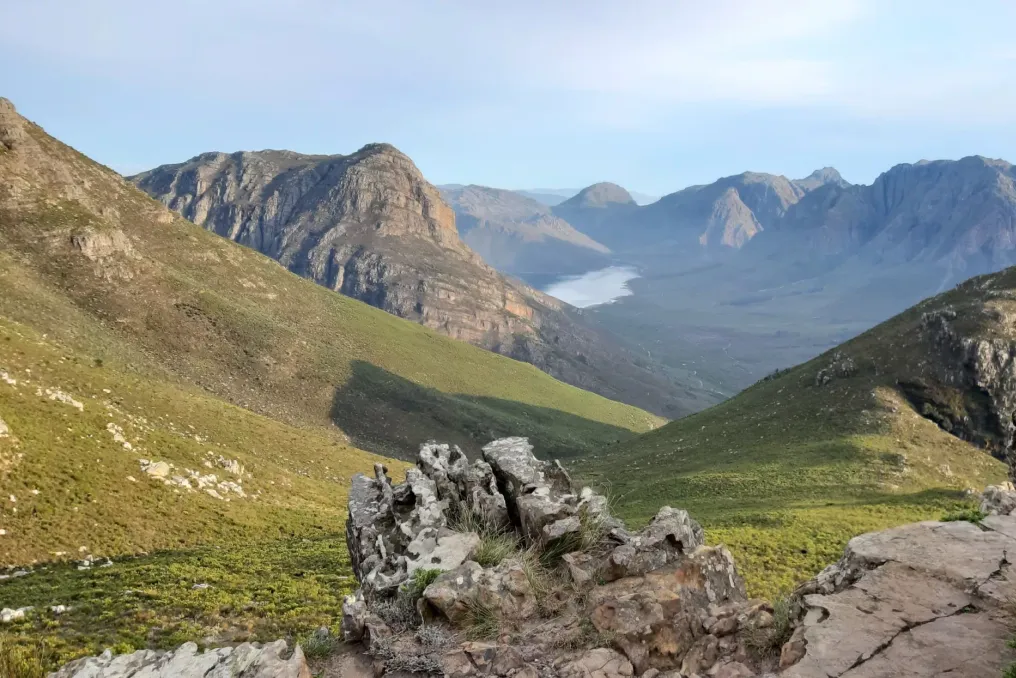
- Cederberg for hiking, dramatic rock formations, and secluded cottages under the starry sky.
- Tulbagh for award-winning wineries, mountainous scenery, and charming Cape Dutch architecture.
- Clarens for cozy cafes, art galleries, and refreshing walks at the foot of the Maluti Mountains.
- Dallsrum, where the season is defined by stream fishing, whisky tastings, and crackling fires.
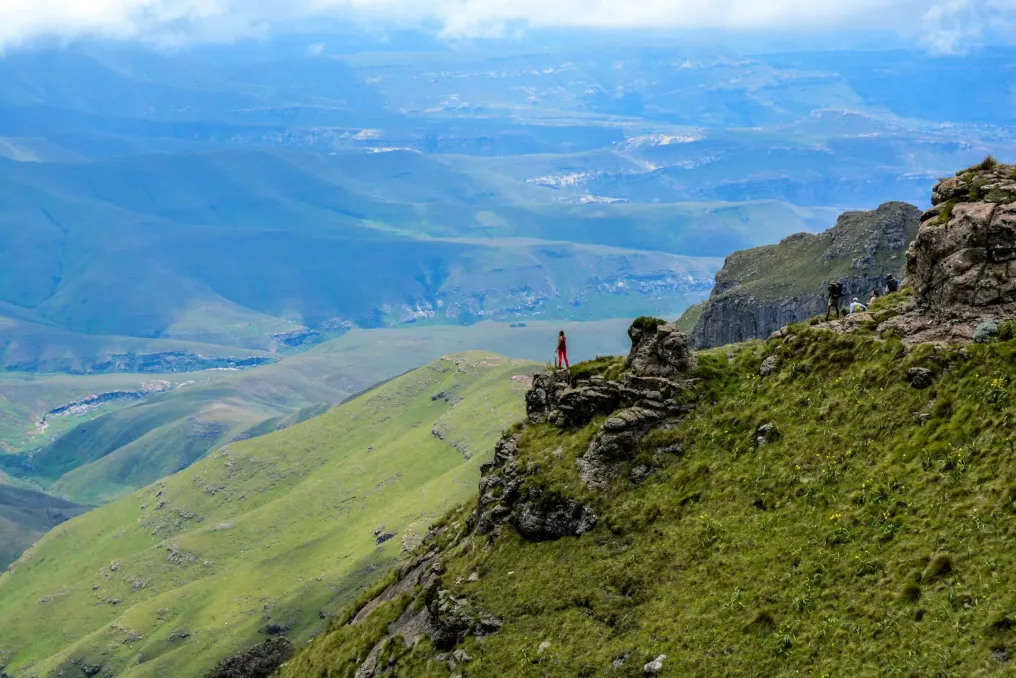
- Drakensberg, offering magnificent hikes, mountain lodges, and the possibility of snow at higher altitudes.
- Midlands Minder, where artisanal producers, craft shops, and boutique accommodation create the perfect weekend getaway.
These places prove that winter travel is not about avoiding the cold, but embracing all that it brings.
Winter Experiences Available Only in July
Besides safaris and whales, July offers numerous seasonal events that make traveling at this time of year particularly valuable. Sometimes snow covers parts of the Drakensberg, Barkley East, Rhodes, and the Eastern Cape highlands, transforming familiar landscapes. Citrus growing regions come alive during harvest, and the clear winter sky creates ideal conditions for stargazing in remote areas like Karoo and Cederberg. Hikers also benefit from cooler daytime temperatures, especially on routes that can become uncomfortably hot in summer. Outside of school holidays, many destinations are noticeably quieter than during peak summer season, allowing travelers to enjoy popular attractions with fewer crowds.
Planning a Trip in July
A little preparation is very important when traveling in winter. You need to dress in layers, as temperatures can fluctuate greatly between early morning and the day. It is advisable to bring a warm jacket, gloves, and a hat for morning safaris. Binoculars will be useful for both whale watching and wildlife viewing. If you are traveling for wildflowers, you should monitor reports on seasonal rainfall before departure. It is recommended to book accommodation in advance in popular whale-watching and safari destinations, especially during school holidays. Also remember that winter days are shorter, so plan car journeys to maximize daylight hours.
The Best Secret of Winter
South Africa does not slow down in winter—it simply changes its rhythm. July provides a unique experience that is hard to replicate at any other time of year. Lions remain near dwindling water sources, southern whales return to sheltered bays after months at sea, the first wildflowers begin to color the western landscape, and mountain towns invite travelers to settle by a fire after a day outdoors. For those willing to trade beach towels for jackets and embrace this season, July can be one of the best months to explore South Africa.