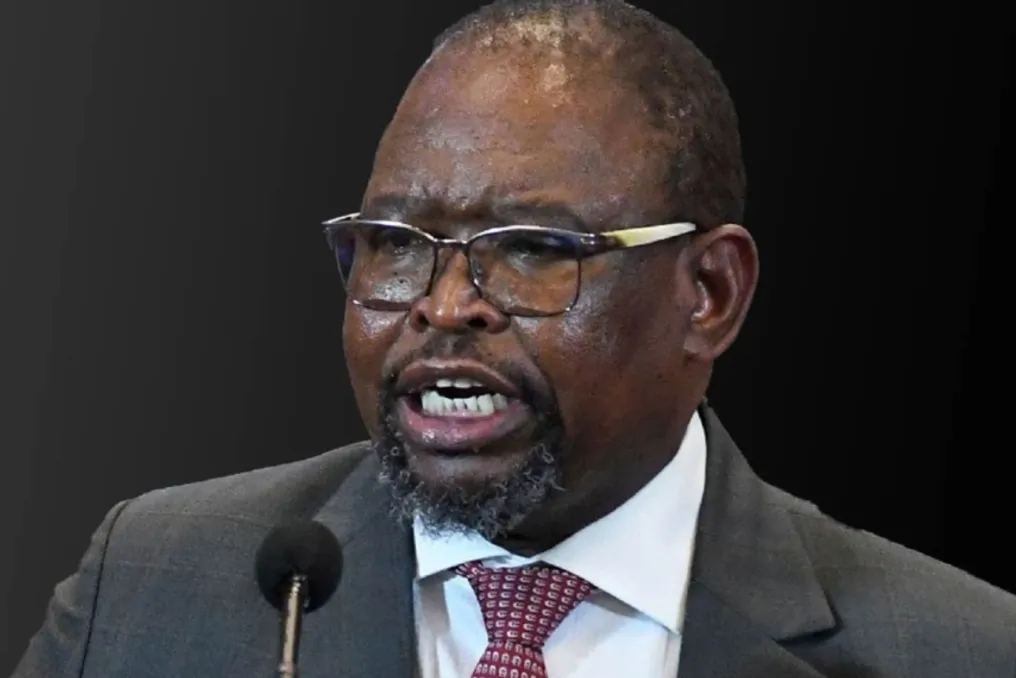
The Finance Minister, Enoch Godongwana, reported that approximately 76 farmers have been commercialized over the last three financial years. His answers were given in parliament in response to written queries from Laetitia Heloise Arries of the Economic Freedom Fighters party regarding the number of beneficiaries of the Land Bank's blended finance scheme who successfully transitioned to commercial agriculture.
Monitoring and Evaluation of Projects
The minister was also asked about the measures in place to monitor and evaluate the success and sustainability of projects financed under this scheme. The Minister clarified that over 70 farmers, initially engaged in small-scale production, have managed to transition to running commercially viable agricultural enterprises.
Transition to Commercial Production
He noted that as of April 1, 2026, eight farmers have moved to commercial operations: two from the Free State, four from the Eastern Cape, and two from Mpumalanga. Godongwana provided further details on the support for various groups of beneficiaries of the blended finance scheme.
Support for Youth and Tenants
Young farmers have successfully transformed from small producers into commercial agricultural enterprises. In the past financial year, Land Bank increased its capacity (BFS) for this segment, providing R32 million in financing to support their commercialization and further growth. A successful transition example was shown by a young female farmer from Limpopo, who holds a bachelor's degree in crop production technology; she moved from small-scale tomato production to a structured commercial enterprise by securing off-take agreements with Rhodes Food Group and an aggregator supplying products to Boxer, which ensured stable demand and predictable prices.
Farmers working on leased land have been able to transition to owning private farmlands. The support provided included financing for the acquisition of private farms, including a second purchase, installation of solar energy systems, procurement of additional livestock, tractors, and production resources for cultivating approximately 1,500 hectares. Farmers operating on leased farms in Lichtenburg and Ventersdorp received assistance in acquiring and owning agricultural property, facilitating their shift from tenant farming to land ownership.
Scaling Up and International Market
Cases of scaling up were highlighted: one farmer, who started on 50 hectares, expanded production to 1,000 hectares of soybeans and now supplies Tiger Brands and Afgri. Another farmer from the Free State achieved significant growth, moving from subsistence farming to a commercial enterprise spanning over 7,500 hectares. Furthermore, a small farmer managed to transition to a globally competitive commercial enterprise thanks to support from the Potatoes South Africa Development Programme and Land Bank. This farmer secured off-take agreements with Simba (PepsiCo) for potato production and with Peppadew International for export markets, while also gaining access to domestic and regional markets, including Mozambique, diversifying income.
Integrated Support and Development
Godongwana emphasized that the bank's comprehensive approach to agricultural support combines innovative financial solutions with risk management measures to improve farmers' access to finance and enhance the resilience of agricultural businesses. He stated that such an integrated approach promotes the growth and development of farmers across the entire value chain, from emerging producers to established commercial enterprises, thereby boosting agricultural productivity, transformation, and food security in South Africa.
Land Bank has implemented integrated pre- and post-investment support initiatives, including facilitating market access, to mitigate the risk of business failure among new participants, emerging farmers, and small Black producers. These measures aim to strengthen the sustainability and commercial viability of farms. The Minister also mentioned the bank's plans to create a conducive environment for sustainable agricultural growth and rural development through enhancing financial literacy, implementing innovations, and mentorship. Key training programs include business management training (financial planning, bookkeeping, marketing) and financial management (budgeting, investment planning).