Belle Rive Farm is implementing a project to create the largest autonomous solar and battery system in South Africa, which will ensure uninterrupted power supply for over 2,000 hectares of agricultural land.
Project Details and Goals
This large commercial farm in the Free State is investing in an installation that is expected to become the largest autonomous solar and battery energy storage system in South Africa. This initiative is driven by rising electricity costs and the constant need for a stable power supply, transforming the country's agricultural sector.
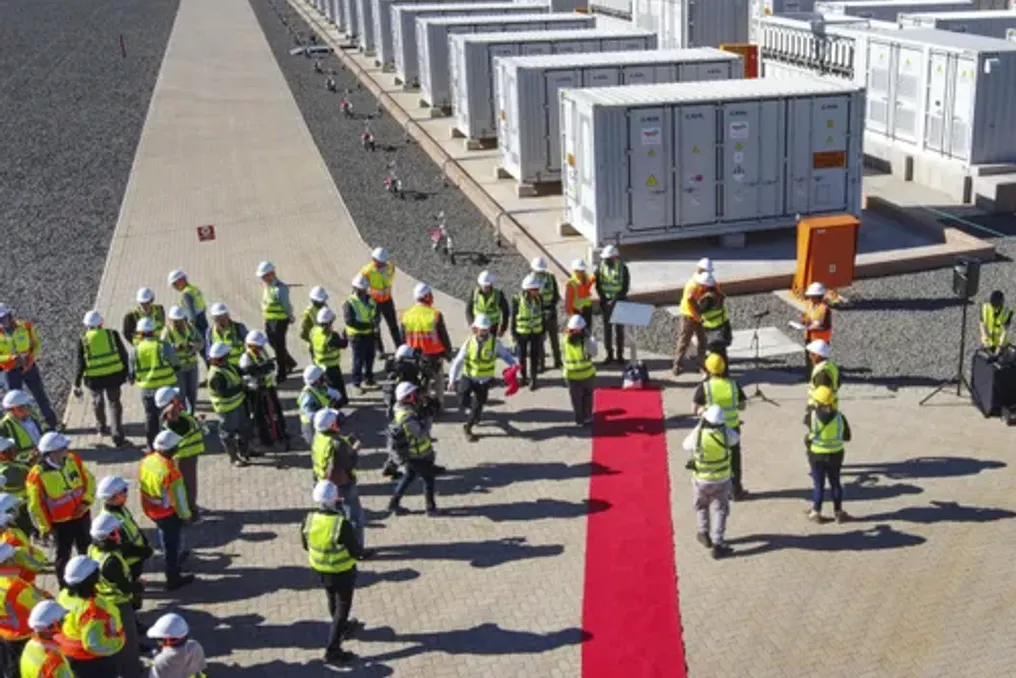
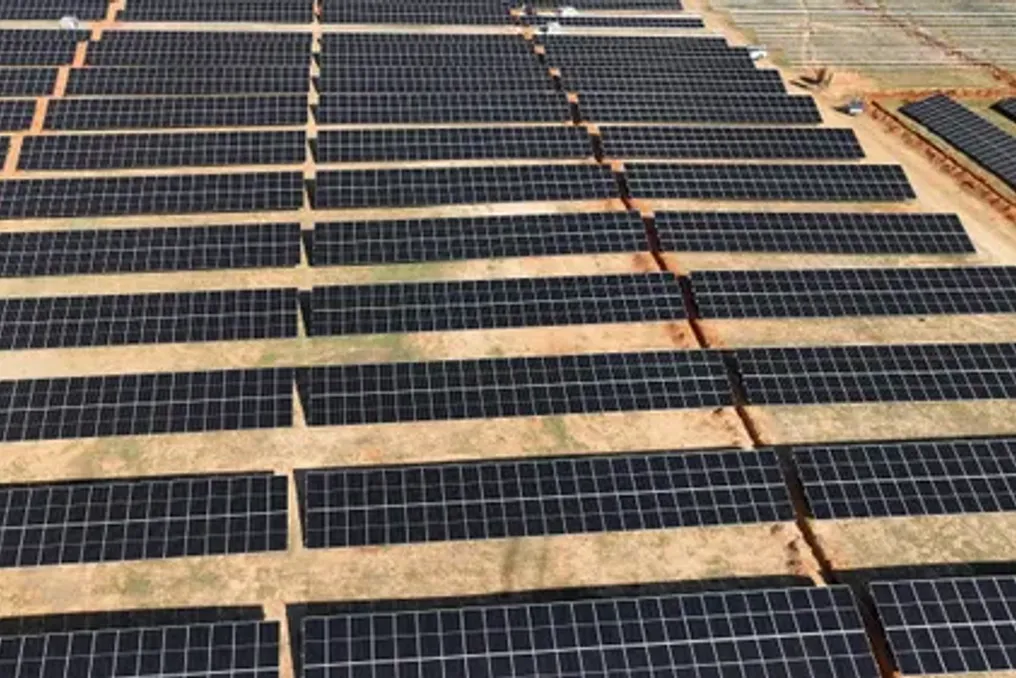
RenEnergy has been appointed as the contractor for the design, procurement, and construction of this facility at Belle Rive Farm. The project includes a 4.89 MW solar photovoltaic panel array and a 20 MWh battery energy storage system. This installation, currently under construction, will provide electricity to over 2,000 hectares of land via approximately 17 kilometers of medium-voltage lines, allowing the farm to operate independently of the national grid.
System Significance and Economic Situation
According to market data, the 20 MWh battery system is considered the largest privately built facility specifically for an autonomous agricultural enterprise in South Africa. According to GreenCape's 2025 Market Intelligence Report, the energy storage market for the commercial, industrial, and agricultural sectors in South Africa is stabilizing at around 400 MWh of new installations annually, with the Belle Rive project accounting for approximately 5% of this annual volume.
The investment comes amid a steady rise in electricity tariffs for commercial farmers. Eskom tariffs for direct customers increased by 12.74% in April 2025, following increases of 18.65% in 2023 and 12.72% in 2024. Furthermore, a further increase of 8.76% came into effect on April 1, 2026. Electricity accounts for about 6% of total production costs in the country's agriculture, although this share is significantly higher for farms heavily reliant on irrigation, cold storage, and processing.
Owner Motivations and Technical Aspects
The owner of Belle Rive Farm, Stanley de Beer, explained that the decision to switch to autonomous power supply was driven by the pursuit of greater reliability and operational resilience. He noted that the point had been reached where the question was not whether to invest in energy independence, but how quickly to do so. Since operations take place over a vast area, it is impossible to tolerate disruptions in cold storage and irrigation systems of this scale. This installation provides the necessary assurance for planning and operating without the risk of outages.
The farm produces seed potatoes, table potatoes, pecans, onions, and maize, all crops critically dependent on continuous power to support irrigation systems, cold rooms, packing houses, and processing infrastructure during peak production periods. RenEnergy reported that realizing the project required a highly customized engineering approach rather than a standard commercial solution. The company analyzed electricity consumption over half an hour at multiple connection points, assessed seasonal energy demand, and studied the main agricultural equipment before determining the optimal system size.
Expert Assessment of Project Complexity
Huandri Pitu, Head of Business Development at RenEnergy, emphasized that powering a farm of this size requires a fundamentally different approach. He stated that implementing an autonomous 20 MWh system across more than 2,000 hectares is not a standard order. Commercial agriculture has a completely different demand profile compared to logistics or manufacturing: it is seasonal, operationally critical, and intolerant of failures.
Pitu added that the battery system is designed to support core farming operations at night and during extended periods of cloudy weather without using diesel generators or the Eskom grid. He concluded that the significance of Belle Rive lies not only in the scale of the energy storage system but also in the fact that this scale allows for the continuous support of the cold chain, irrigation, and processing on such a large farm. This is true energy independence for South African agriculture.
Renewable Energy Market Prospects
This project reflects a broader trend in the South African commercial farming sector, where businesses are increasingly viewing renewable energy infrastructure as a long-term strategic investment rather than just an operational expense. GreenCape forecasts that by 2030, the cumulative installed capacity of the energy storage market for the commercial, industrial, and agricultural sectors will reach two gigawatt-hours. This growth will be stimulated by falling battery costs, continued increases in electricity tariffs, and the growing need for reliable power supply.
For large farms like Belle Rive, the economic viability is becoming increasingly evident as solar energy combined with battery storage begins to compete on cost with grid electricity, while simultaneously reducing dependence on expensive diesel generation during power outages. The project also demonstrates how energy security is becoming a key competitive advantage for the South African agricultural sector, enabling farmers to protect production schedules, ensure cold chain integrity, and improve long-term business sustainability.