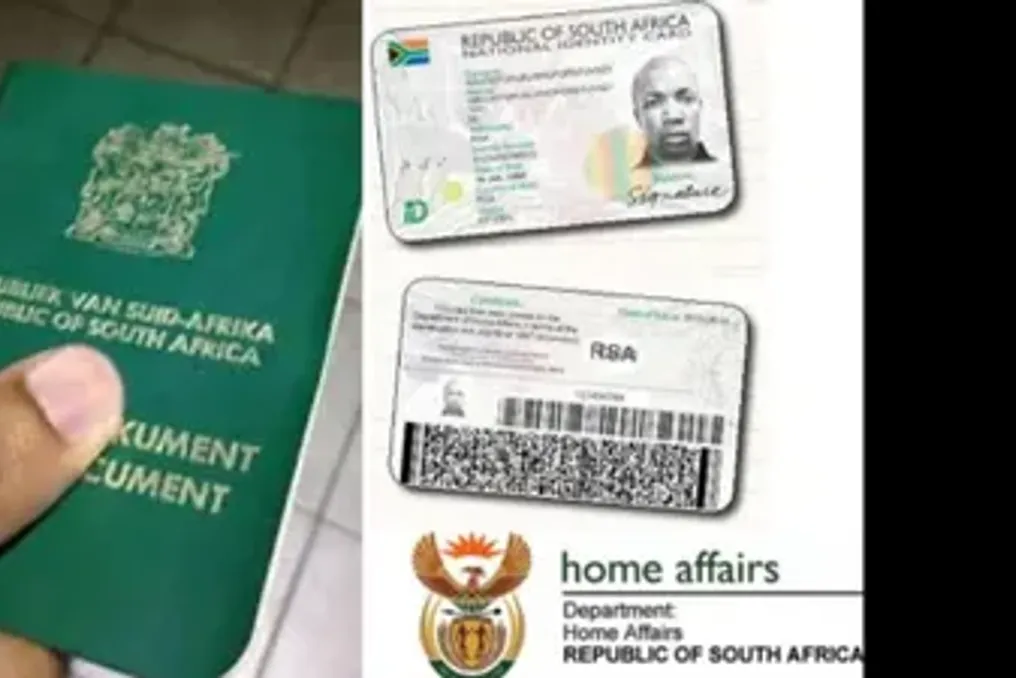
The Department of Internal Affairs has encountered a problem unblocking 377,060 ID numbers that remain blocked in the National Population Register. The Department attributes this to unavailable addresses.
The Department of Internal Affairs has encountered a problem unblocking 377,060 ID numbers that remain blocked in the National Population Register. The Department attributes this to unavailable addresses.
The inability to trace nearly 400,000 people with blocked identifiers is linked to the Gauteng High Court ruling that placing flags against ID numbers without adhering to fair administrative procedure was unconstitutional and invalid. The court granted the department a temporary period of 12 months, from January 16, 2024, to March 1, 2025, to correctly reflect the data of individuals who were assigned ID numbers after the flagged numbers were identified.
The court's ruling prompted the department to launch a media campaign to allow affected citizens to present their arguments. This step aimed to resolve the long-standing issue of incorrectly blocked identifiers and simultaneously limit the circulation of fraudulent documents. Responding to parliamentary questions from IFP MP Busapi Machi, Minister Leon Schreiber blamed the unavailable addresses provided by the affected individuals for the problem.
He noted that attempts to locate these people in the National Population Register yielded no desired results, forcing the department to seek alternative methods for better coverage. Schreiber also reported that the department applied to the court for substituted service and received court approval to implement notifications under the Administration of Justice Act in the form of substituted service to cover rural and underserved communities. He emphasized that substituted service utilizes various communication channels and mass media for broader reach across all nine provinces of the Republic.
Minister Schreiber also stated that the court granted the department 24 months, until March 2027, to resolve all remaining cases. He described the progress made over the last 18 months as 'very significant.' In December 2025, Schreiber informed Parliament that the total number of blocked identification numbers was 384,189, which is lower than the figure of 702,267 recorded when the court ruled on the matter.
Schreiber clarified that out of the total blocked numbers, 198,336 (52.6%) fall into the category of duplicate entries, and 7,963 (2%) are from South West Africa, and these cases still require citizenship/status determination. He added that the department uses approved Standard Operating Procedures to resolve blocked identifiers and comply with the Administration of Justice Act. Step-by-step guides have been developed for the public and for personal client presentation to assist in determining an individual's citizenship and origin.
Schreiber strongly recommended that affected individuals personally visit department offices to present their case, undergo an interview with immigration officials, and register biometrics. He assured that thorough investigations and verification processes ensure that legitimate South African citizens will not be wrongly denied access to their actual ID number. Last month, the department launched a nationwide campaign to assist individuals whose IDs were blocked before November 2022. Department representative Tulani Mavuso stated that affected persons were asked to submit applications explaining why their ID numbers should be unblocked. Mavuso stressed the department's commitment to providing all affected parties equal opportunity to present their case, adding that they can visit any department office except refugee reception centers and banks. Mavuso also reported that the number of unblocked ID numbers to date, including duplicates, has reached 2.2 million. The department indicated that during the investigation, it may cancel IDs or records if it is determined that they were issued to persons not entitled to be included in the National Population Register or contain incorrect personal data.
In connection with the ongoing investigation into the theft of donations at Ram Mandir in Ayodhya, and following the freezing of 30 bank accounts linked to arrested suspects and their relatives, the Shri Ramdhambhumi Tirtha Kshetra Trust has taken serious measures.
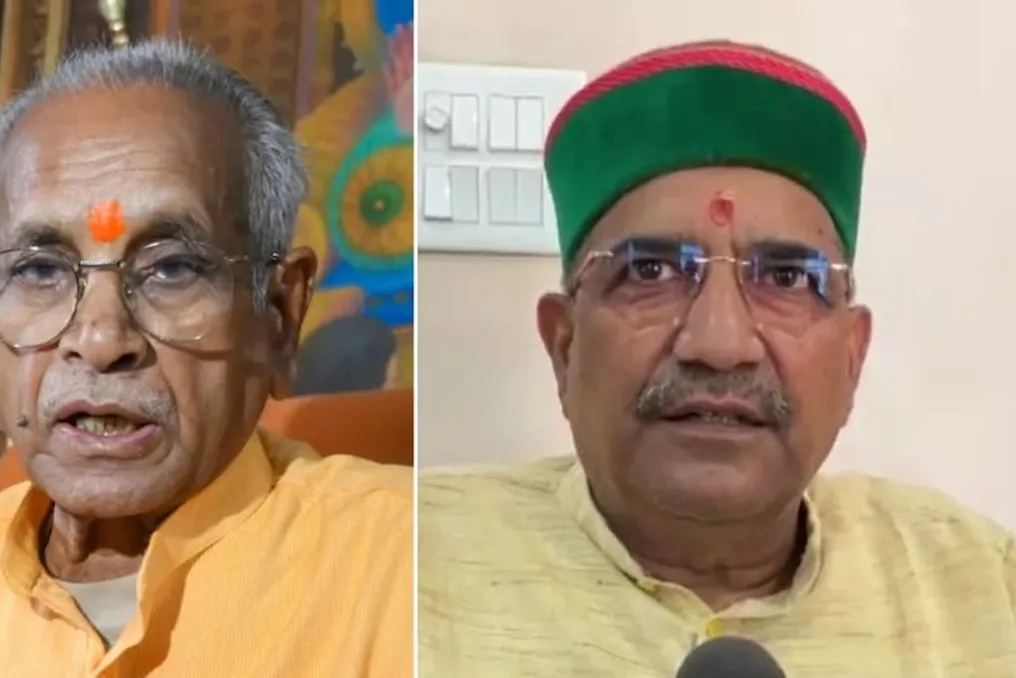
The Trust decided to deactivate the digital IDs of Champat Rai, Anil Mishra, and Gopal Rao, who previously held positions in the temple administration. This step was taken by the new interim General Secretary, Krishna Mohan, and the temple administration to prevent any irregularities in the issuance of VIP passes and priority access passes.
After the deactivation of these digital credentials, the mentioned individuals will no longer be able to obtain or recommend passes for 'Sugam' or 'Vishisht Darshan'. The temple administration took this measure amid the current investigation into cases of misuse of donated funds. Sources report that the SIT investigation uncovered the misuse of digital IDs.
According to sources, the SIT investigation revealed that the digital IDs of Trust members and senior officials were used for the unlimited issuance of VIP passes. Although the initial purpose of these IDs was to provide convenience to VIP visitors, they were used improperly. The inspection found that Tinnu Yadav exploited this opportunity and issued hundreds of unauthorized VIP passes.
Sources also claim that some close associates of Champat Rai and Anil Mishra are under investigation in connection with the donation theft probe. They are accused of forming a criminal gang to gain illegal profits amounting to millions of rupees under the guise of issuing VIP passes.