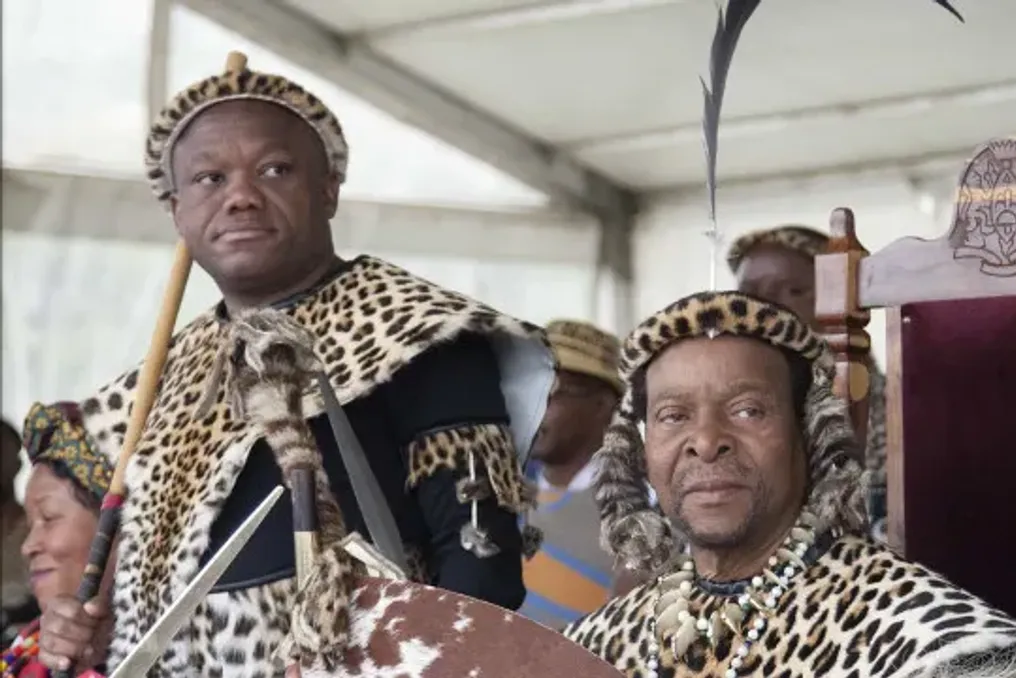
Monarch King Zulu appealed for the need for organized immigration and refuted the claim that South Africa is xenophobic. These statements were made after a meeting held on Monday in Harare with Zimbabwean President Emmerson Mnangagwa.
Context of the Meeting
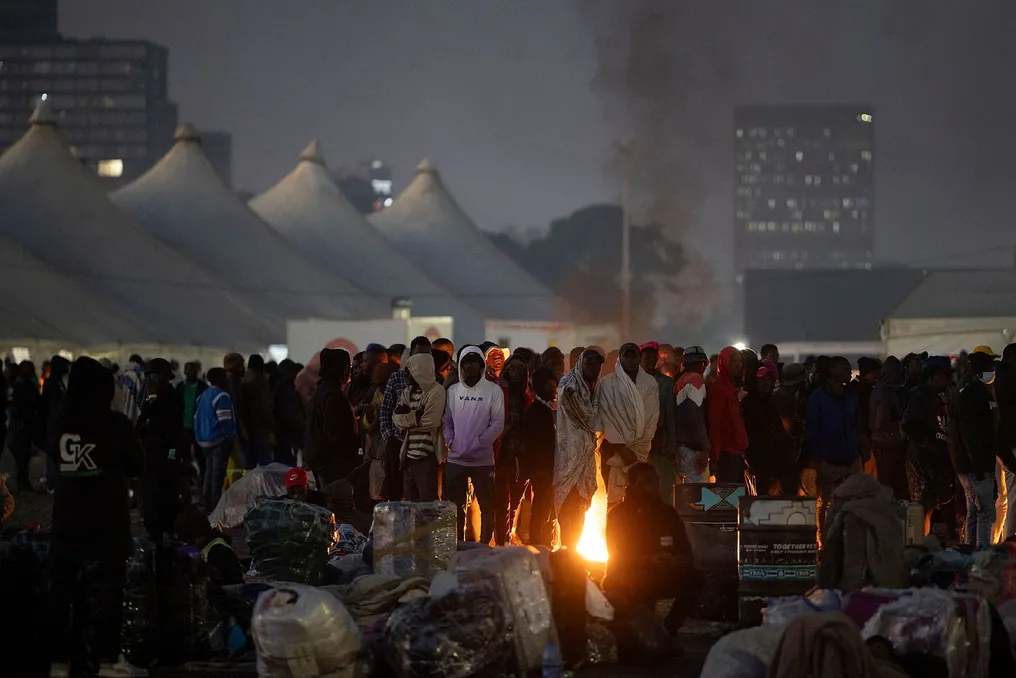
The meeting took place at a time when Zimbabwe was being impacted by the return of thousands of its citizens fleeing xenophobic attacks that occurred in South Africa. The monarch emphasized that any individual who enters another country legally, complies with its laws, contributes positively to society, and respects national institutions, must be treated with dignity.
Distinction Between Immigration and Crime
When discussing the crisis of recent anti-immigration protests in the country, King Zulu clarified that issues such as illegal entry, document forgery, organized human trafficking, and intentional violations of migration legislation are matters of criminal justice and public administration, not matters of race or nationality.
Historical Ties and African Identity
King Misuzulu highlighted the historical ties between the nations of Southern Africa, arguing that African identity transcends colonial borders. He maintained that common ancestry should foster mutual respect, without this serving as justification for non-compliance with the immigration laws of sovereign nations.
View on Receiving Foreigners
Additionally, the king considered it incorrect to characterize South Africans as a people that hates Africans. In his view, South Africans have received, over generations, students, entrepreneurs, professionals, investors, refugees, and visitors from across the continent with openness.
Position of Other Leaders and Deportation Data
King Zulu was accompanied by the traditional South African monarch Ndamase Ndamase, leader of the kingdom of Amampondo, located in the Eastern Cape province. King Ndamase added that while they do not support illegal entry, xenophobia and violence are not desired by the royal leaders of South Africa.
The South African government announced that more than 53,000 foreigners—mostly Malawians, Zimbabweans, and Mozambicans—have been subject to deportation and repatriation processes, in an attempt to curb irregular migration amid growing tension caused by the recent wave of xenophobic attacks.
Impact of Xenophobic Violence
In Mozambique, xenophobic violence resulted in the death of 11 Mozambicans, according to government data. Furthermore, two Mozambican citizens were seriously injured in an attack that occurred on the 7th in the Gauteng province, South Africa, linked to violence against immigrants, according to the Mozambique Information Office (Gabinfo).
Mozambique, which hosts about 300,000 South African citizens, received 1,363 repatriated victims of this violence, joining 6,156 Malawians who entered the country in transit due to the same situation.
Escalation of Tension in South Africa
Tension in South Africa has increased in recent months due to anti-immigration protests and the wave of xenophobic attacks. This situation peaked on June 30, when thousands of people demonstrated demanding that undocumented immigrants leave the country.
Anti-immigration groups attribute the country's economic problems, poor public service delivery, and high crime rates to African migrants, going so far as to prevent their access to healthcare and education in public facilities. Although the South African government has condemned such attacks, it reaffirmed its right to control irregular immigration.