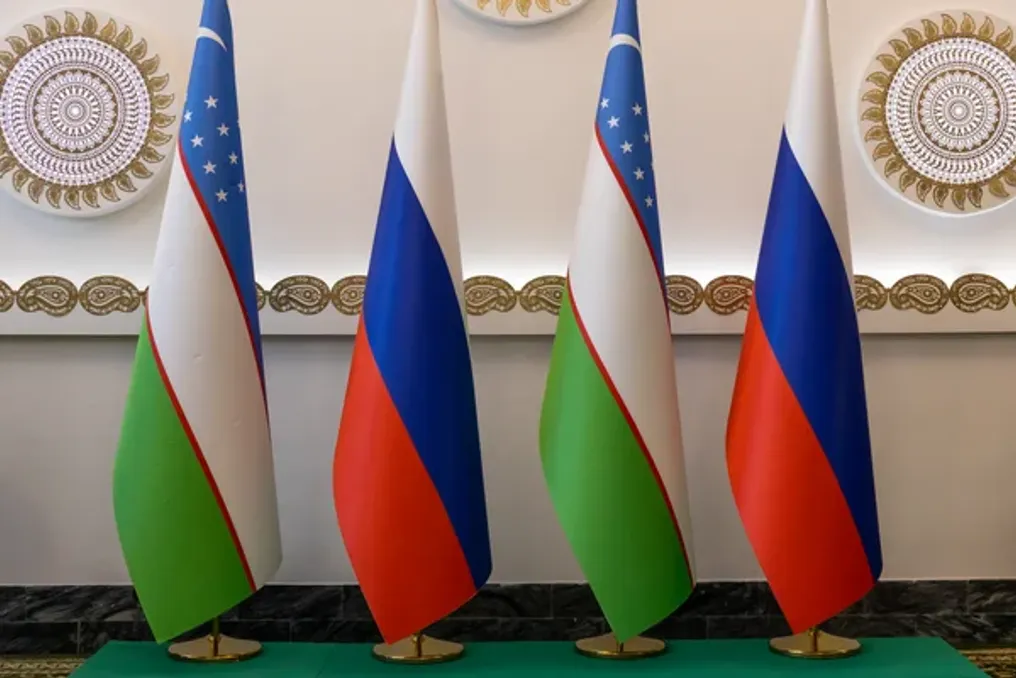
Representatives from Uzbekistan and the Altai Republic of the Russian Federation held negotiations focused on potentially deepening interaction in areas such as agriculture, livestock farming, trade, and tourism.
Representatives from Uzbekistan and the Altai Republic of the Russian Federation held negotiations focused on potentially deepening interaction in areas such as agriculture, livestock farming, trade, and tourism.
The meeting took place in Gorno-Altaysk and was attended by Aslam Akбаров, the General Consul of Uzbekistan in Novosibirsk, and Irina Petrovskaya, Deputy Chairman of the Government of the Altai Republic. The discussions also included Andrey Tsygulev, Minister of Agriculture of the Altai Republic, and Konstantin Borovoy, Acting Minister of Economic Development.
According to Petrovskaya, the regions of Uzbekistan rank fourth among the main foreign economic partners of the Altai Republic. Bilateral trade turnover significantly increased in 2025, growing fivefold to reach $8.5 million USD.
The Russian side expressed readiness to increase supplies to Uzbekistan of biopharmaceutical products made from horn raw materials, herbal products, honey, and other beekeeping products, as well as wool, down, cheese, confectionery, and meat products. Participants also noted the growing demand for Uzbek agricultural products in the Altai market.
Akбаров emphasized Uzbekistan's interest in increasing imports of livestock from the Altai Republic, including breeding stock, as well as horses and goats. He reported that nearly 30 thousand head of livestock were supplied to Uzbekistan last year.
Agriculture Minister Andrey Tsygulev noted that cooperation between regional companies continues to expand. Specifically, the export volume of Gorno-Altai breed goats to Uzbekistan reached 2,300 head in 2025, compared to 930 head the previous year.
The Uzbek delegation proposed establishing direct contacts between farmers from both countries to reduce intermediaries and lower the cost of livestock products. Tourism was also discussed, as residents of the Altai Republic show increased interest in Uzbek tourism offerings. It is expected that the opening of an international terminal at Gorno-Altaysk airport will help increase mutual tourist flow.
At the conclusion of the negotiations, the Russian side supported the idea of holding a video conference in the near future involving the Department of Tourism Development of the Altai Republic, the Tourism Committee of Uzbekistan, and tour operators from both countries.
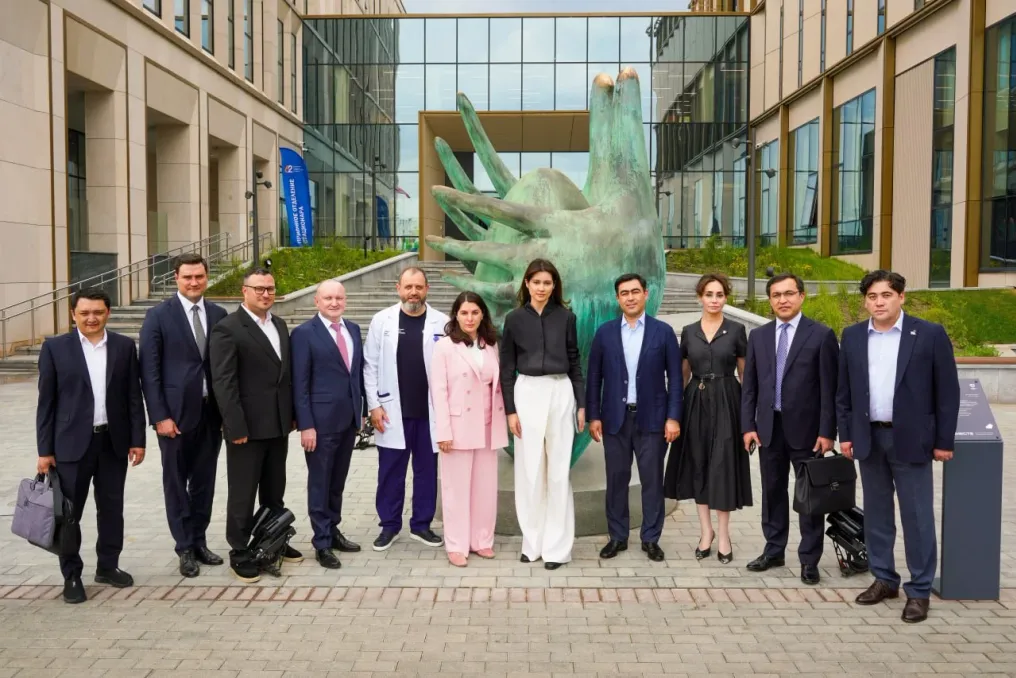
Uzbekistan and Moscow reached an agreement to expand cooperation in the field of healthcare following meetings of the Uzbek delegation with Anastasia Rakova, Deputy Mayor of Moscow for Social Development.
During the meeting, the Russian side presented unified standards for managing Moscow's healthcare system. These standards include the digitalization of medical services and the implementation of a continuous patient referral system.
At City Polyclinic No. 220, which operates under the 'My Polyclinic' standard, the Uzbek delegation familiarized itself with the organization of primary medical and sanitary care, patient flow management, digital registration, and preventive care.
At the S.P. Botkin Scientific and Clinical Multidisciplinary Center, the delegation was shown approaches to managing multidisciplinary hospitals, organizing diagnostic and surgical services, patient referral systems, and the introduction of modern medical technologies.
Visiting a children's clinical hospital, participants observed a model of specialized pediatric care that combines diagnostics, treatment, rehabilitation, and subsequent medical supervision. To study the palliative system, the delegation also visited the 'House with a Beacon' children's hospice and the Moscow Multidisciplinary Palliative Care Center, where mechanisms for supporting patients and families were presented.
Specialists at the Scientific and Practical Clinical Center for Diagnostics and Telemedicine Technologies demonstrated the application of artificial intelligence and remote interaction capabilities between radiologists. The delegation also visited the Interdisciplinary Training Center for Innovative Surgical Technologies, where they studied the system of practical surgeon training using simulation equipment and anatomical materials.
At the Moscow Laboratory Research Center, the delegation was shown robotic laboratory diagnostics, a three-tier laboratory network model, and a digital system for managing research data and test results. At the conclusion of the negotiations, the parties agreed to prepare a roadmap for further cooperation, including the implementation of joint pilot projects involving relevant experts.