The Johnson Space Center in Houston has begun recruiting participants for the Moon & Mars Exploration Analog (MMEA) ground expedition. This unique program, scheduled to start no earlier than August 2027, involves the complete isolation of a group of four to six test subjects from the outside world for an entire year.
Objective and Candidate Requirements
The main goal of the expedition is to provide scientists with the opportunity to prepare for future real missions to the Moon and Mars. Organizers are looking for US citizens or individuals with a Green Card who meet specific criteria: age between 30 and 55, height no more than 188 centimeters, and physical and psychological endurance.
Candidates must have a higher education in exact sciences, engineering, or mathematics and possess significant work experience. The selection process includes a thorough medical commission and in-depth psychological testing.
Simulating Space Flight Conditions
For the entire year, volunteers will be housed in the closed Pavilion 220 in Texas. Here, scientists have recreated three interconnected spaces to model different phases of space travel. Initially, the crew will reside in a two-story cylindrical spacecraft approximately 63 square meters in area, simulating a long journey.
Upon arrival at the simulated planet, participants will move into a spacious single-story Martian habitat, which covers about 158 square meters and was created using a 3D printer. This house is equipped with living quarters, a kitchen, a laboratory, and a sand area for conducting both virtual and physical surface excursions.
Autonomy and Daily Routine
A compact rover designed for two people is provided for more detailed research. In this limited cabin, equipped with sleeping berths and a portable toilet, participants will spend several days in complete autonomy, allowing an assessment of their ability to cope with extreme crowding and temporary team separation.
Life in the complex will be strictly regulated according to a military schedule, similar to the routine of the International Space Station (ISS): eight hours of sleep, clearly defined working hours, physical exercise, and life support system maintenance. Furthermore, participants will be in a complete information vacuum, excluding access to the internet, social media, television, and regular phone calls.
Communication and Nutrition
The only ways to communicate with Earth will be through text news briefs and rare video calls with loved ones and psychological specialists. A delay of several minutes will be used to increase the realism of communication with Mission Control. During the simulation of passing the ship behind the Sun, the crew will face a complete two-week silence.
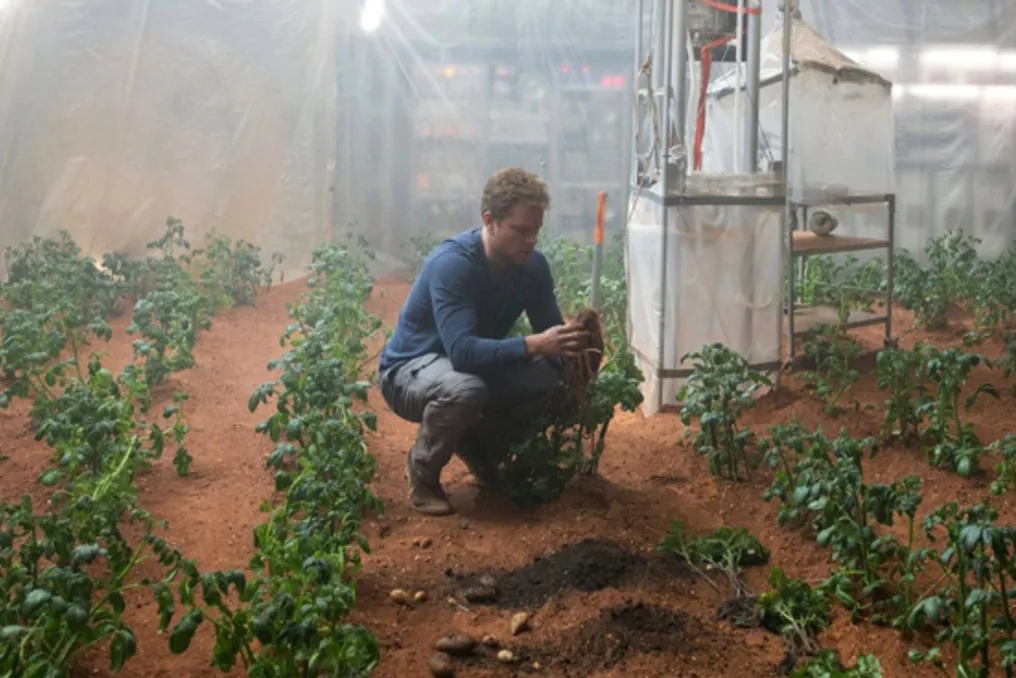
The volunteers' diet will consist exclusively of dry space rations, while fresh vitamins will be obtained from greenery grown in a small hydroponic farm. These 14 months of strict limitations and constant medical examinations will allow NASA to study aspects such as psychological exhaustion, group cohesion, and bodily function under stress, ensuring the safety of future space missions.
Funding Lunar Projects
Additionally, it should be noted that NASA previously allocated about $600 million to three private companies to prepare for the creation of a Lunar base. The task of these companies is to deliver necessary equipment to the Moon using unmanned vehicles.