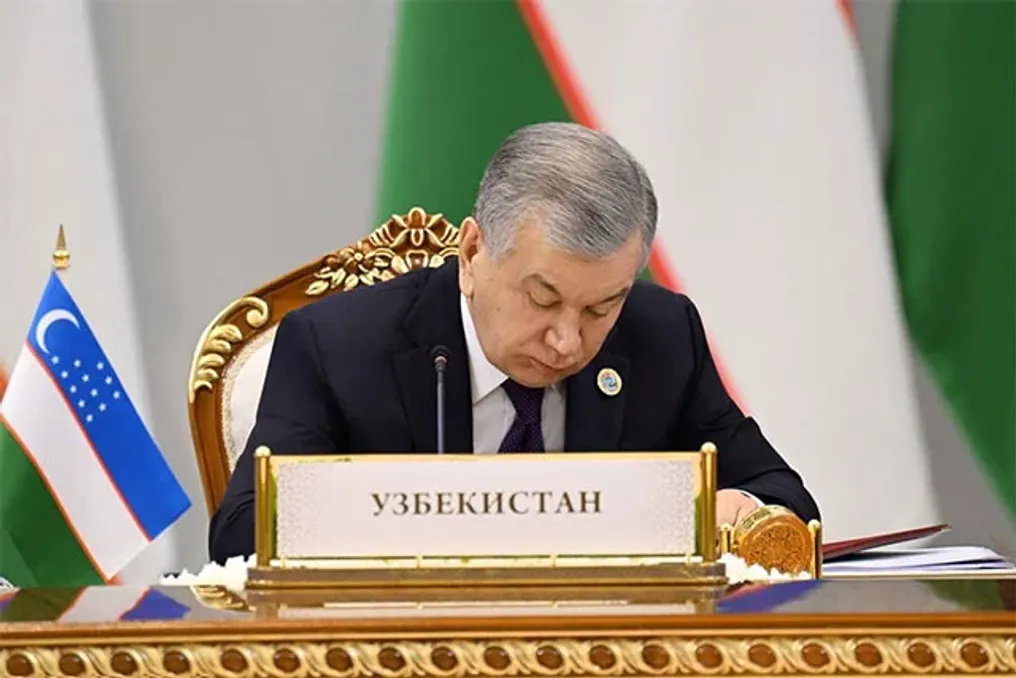
The President of Uzbekistan signed a decree aimed at improving public services and increasing convenience for citizens. This document introduces changes to real estate rights registration rules, expands the capabilities of e-government, and strengthens protection against unwanted advertising.
Changes in Real Estate Registration
According to Decree No. PP-265 dated July 15, 2026, administrative liability will no longer be applied to property owners who fail to register their rights on time. Instead, a system of increased registration fees is introduced, the amount of which depends on the duration of the delay.
Rules for obtaining tax benefits when selling housing inherited or received as a gift from a close relative have also been changed. Now, the ownership period is calculated from the date of registration by the deceased or donor, not from the moment the new owner registers.
New Opportunities for Citizens
Citizens will be able to register their place of residence in properties that are under arrest or restrictions on alienation, even without the consent of the pledgee. In this case, the person being registered must first agree to the possibility of canceling this registration at the request of the owner, the pledgee, or an authorized body.
Starting from October 1, 2026, new electronic services for individuals and legal entities will be available through the Unified Portal of Interactive Public Services my.gov.uz. Users will be able to remotely impose or lift restrictions on the alienation, pledge, or mortgage of their real estate and vehicles.
The new services will also allow users to receive information about all phone numbers and bank cards registered in their name, temporarily disable unused numbers, apply for the termination of mobile services, receive information about paid services linked to their accounts, request banks to block or close cards, and automatically receive notifications about notarial acts performed in their name.
Data Automation and Spam Protection
On the same date, the automatic update of citizens' surnames, first names, patronymics, or dates of birth will occur in all state information systems due to interdepartmental electronic data exchange.
The decree also includes measures to strengthen protection against unwanted advertising. Starting from November 1, 2026, legal entities and private individuals can send advertising SMS messages only after receiving written or electronic consent from the recipient. Companies providing services for distributing advertising calls and SMS must operate only after registering their information systems in the State Register of Personal Data Bases.
Furthermore, advertising calls and SMS messages via mobile networks are prohibited between 6:00 PM and 9:00 AM. Mobile operators are obliged to block all or selected advertising calls and messages for subscribers upon request. Failure to comply with these new requirements will be considered a violation of advertising and personal data protection legislation, with liability applied according to the law.
Protection of Minors' Rights
The decree also provides for exempting minors from paying state duty in court when independently filing lawsuits to ensure the protection of their rights.