Soft power has recently been recognized as one of the key tools for the international positioning of states, allowing them to shape their image abroad through culture, education, science, tourism, sports, and media. For Uzbekistan, which possesses a vast historical heritage and a growing role on the world stage, developing this area is of paramount importance.
Similar stories
Popular
Analysis of Uzbekistan's soft power
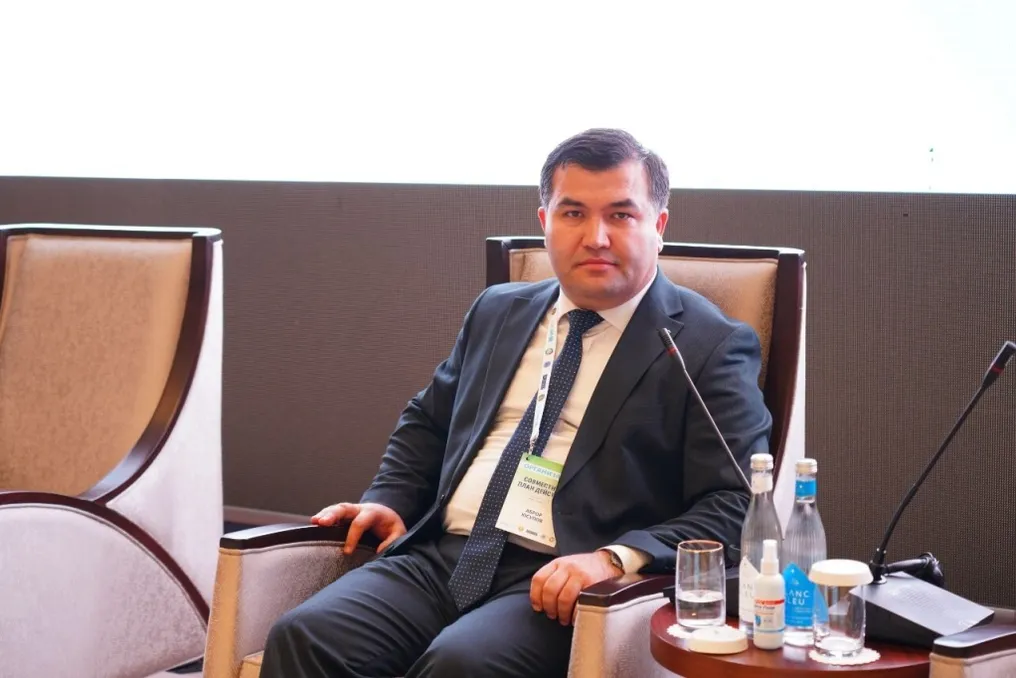
Dr. Abror Yusupov, a Doctor of Philosophy in Political Science, discussed in an interview with Podrobno.uz how the concept of soft power is changing amid digitalization and geopolitical changes. He noted that authoritative studies, such as the annual Global Soft Power Index 2026 report by Brand Finance, help assess not only a country's fame but also its reputation, as well as the influence of culture, education, and science on shaping the national image.
According to data from a study published in January 2026, Uzbekistan improved its ranking by seven places, reaching 92nd globally, which is one of the most noticeable positive trends in Central Asia. This reflects the growing interest of the global community in the country's reforms, cultural heritage, and foreign policy. However, Yusupov emphasized that Uzbekistan's soft power potential is not yet fully utilized.
The expert pointed out that many humanitarian, educational, and informational initiatives are developing in isolation, without a single long-term promotion strategy. Consequently, individual successes of Uzbekistan do not always receive due international coverage and support. Therefore, forming a comprehensive and systemic soft power policy is critically important for strengthening the state's position in the context of global competition.
International experience and benchmarking
Global experience demonstrates that there is no universal model of soft power; each state creates its own strategy based on its unique historical features, economic advantages, and goals. Abror Yusupov drew attention to examples of Japan, China, and Germany, which have managed to transform national strengths into effective tools of influence.
After World War II, Japan focused on education, technology, and culture, using the popularization of language, grant programs, and the promotion of anime, cinema, and cuisine. Beijing, meanwhile, actively promotes its image through infrastructure projects, digital technologies, automotive manufacturing, and the operation of over 260 Confucius Institutes in 75 countries. Germany built its model on science, engineering education, and technological reputation, supporting the Goethe-Institut and promoting German quality.
Yusupov concluded that successful soft power does not happen by chance but is always based on a long-term state strategy, investment in human capital, and systematic work to form an attractive image.
Prospects and asset realization
The expert believes that international experience can be extremely useful for Uzbekistan, given its rich historical and cultural heritage, civilizational experience, development of tourism, and achievements in science and sports. The main question now is how to unite existing resources into a single international positioning strategy.
Although Uzbekistan was previously often perceived as an unknown region, the situation is changing. The country is increasing its international presence through the development of tourism, art, and creative industries. Traditional elements, such as Uzbek cuisine, music, and historic cities, attract millions of tourists. Simultaneously, the creative sector, including film, design, and digital content, is developing, serving as an effective channel for promoting culture among youth.
The growing international interest is confirmed by the expansion of academic presence of the Uzbek language: starting from the 2024-2025 academic year, courses in Uzbek and Old Uzbek languages have appeared at Oxford University. By the end of 2025, Uzbekistan welcomed 11.7 million foreign tourists, and the ancient city of Khiva was included in the list of top travel destinations for 2026 by National Geographic.
The opening of the Center for Islamic Civilization is seen as an opportunity to present to the world the contribution of Uzbekistan's ancestors to world civilization in mathematics, astronomy, and medicine, positioning the country as a center of enlightenment. Furthermore, young citizens of Uzbekistan demonstrate high results on the international educational stage, receiving grants to prestigious universities such as Stanford University. Sports also contributes to forming a positive image, as chess players and football players act as 'people's diplomats.'
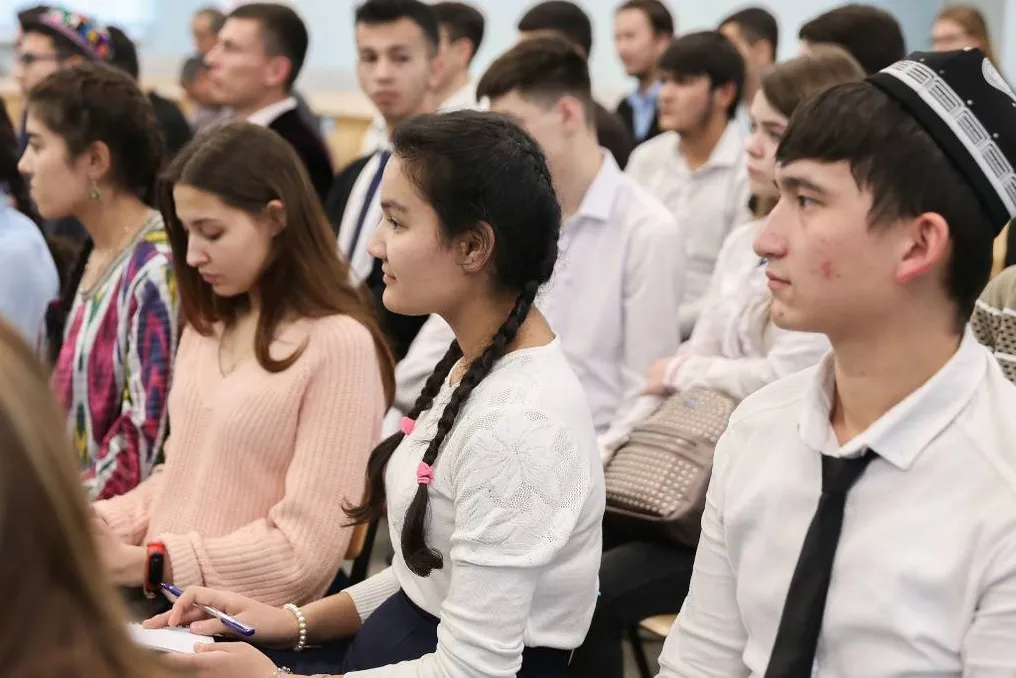
Uzbekistan authorities have announced plans to ensure that at least five local higher education institutions are included in the list of the world's 500 best universities by 2030. In addition, there is an intention to promote another ten universities into specialized international rankings.
Measures to Improve Education Quality
A number of measures have been provided for the implementation of this ambitious goal. It is necessary for one hundred educational programs of universities to receive international accreditation. It is also planned to introduce international educational courses in at least 150 technical colleges.
Staff Support and Standardization
Furthermore, it is planned that at least thirty percent of university graduates and teachers will receive international certificates related to foreign languages, professions, and specialties. Two and a half thousand technical college teachers and 20 thousand university teachers will be sent abroad for advanced training.
New Goals and Initiatives
Previously, the country's leadership had announced plans to improve the positions of Uzbek universities in global rankings, with the initial goal being to increase the number of domestic universities in the world's top 1000 to ten. However, a higher and more complex goal has now been set. It was also reported that a Higher School of Integrated Educational Programs would be established, based on British universities.