Electricity is an integral part of modern life, powering residential buildings, enterprises, educational institutions, hospitals, transport systems, and digital infrastructure. Therefore, reliable energy supply is critically important for both economic growth and improving the quality of life for the population.
Rising Demand and the Need for Reforms
As Uzbekistan's economy expands, the demand for electricity also grows. This growth is driven by an increasing population, rapid urbanization, the development of new industries, and the widespread adoption of modern technologies and household appliances. To meet this growing demand, it is necessary not just to increase electricity production but to create a modern and sustainable energy system capable of supporting the country's long-term development.
Recognizing this need, Uzbekistan has initiated a comprehensive program of reforms in the energy sector. The main directions of this program include increasing generation capacity, modernizing infrastructure, attracting private investment, and accelerating the transition to renewable energy sources. The ultimate goal is to guarantee stable, efficient, and environmentally friendly electricity supply for all consumers in the country.
Problems with the Old System
For many years, Uzbekistan's energy sector has faced significant pressure. As demand increased, numerous weaknesses in the existing system became apparent. During the autumn and winter period, power outages and disruptions in natural gas supply were observed in some regions, highlighting the urgent need for large-scale investment and modernization.
A significant part of the problem lay in the country's outdated infrastructure. Many power plants and electricity transmission networks were built decades ago and could no longer meet the demands of a rapidly growing economy. Simultaneously, urban expansion, the construction of new residential complexes, and industrial growth placed ever-increasing loads on the power grid, pushing existing capacity to its limits. Reliable access to energy is now considered a prerequisite for sustainable economic development, as its absence makes it harder to attract investment, expand production, create jobs, and improve living standards.
The Role of Renewable Energy
Renewable energy has become one of the fastest-growing segments of the global energy industry. Resources such as solar, wind, hydropower, and biomass offer a sustainable alternative to traditional and finite fossil fuels, the extraction of which is becoming increasingly difficult and expensive. In addition to ensuring long-term energy supply, renewables bring substantial environmental benefits. Unlike coal, oil, and natural gas, they produce minimal greenhouse gases during electricity generation, which helps improve air quality, reduce environmental pollution, and support the fight against climate change.
Renewable energy also strengthens energy security by reducing dependence on fossil fuels and forming a more diverse and resilient energy balance. A wider range of energy sources makes countries less vulnerable to fluctuations in global fuel prices or supply disruptions. Uzbekistan has made renewable energy a key element of its energy strategy. The active development of solar and wind energy projects is already increasing electricity generation while simultaneously reducing natural gas consumption and emissions. These investments help the country meet growing electricity demand, supporting both economic development and environmental sustainability.
Global Trend and Uzbekistan's Achievements
In 2025, the global energy industry reached a historic milestone: for the first time in over a century, renewable energy sources generated more electricity than coal. This moment marks not only a major shift in the global energy balance but also an important step forward in climate action and sustainable development. According to international energy analysts, in 2025, the share of renewables accounted for 33.8% of global electricity production, while the share of coal decreased to 33%. This is the first time since 1919 that renewables surpassed coal as the world's largest source of electricity generation.
Despite this progress, fossil fuels continue to play a significant role in global electricity production, accounting for 24.4% of the total volume in 2025. Cumulatively, fossil fuels still generate more electricity worldwide than renewable sources. Nuclear energy also contributes, although its share is gradually decreasing, currently standing at about 9%. Experts note that the continuous expansion of renewable energy is accelerating the decarbonization of power supply systems worldwide.
Current State of Uzbekistan's Energy Sector
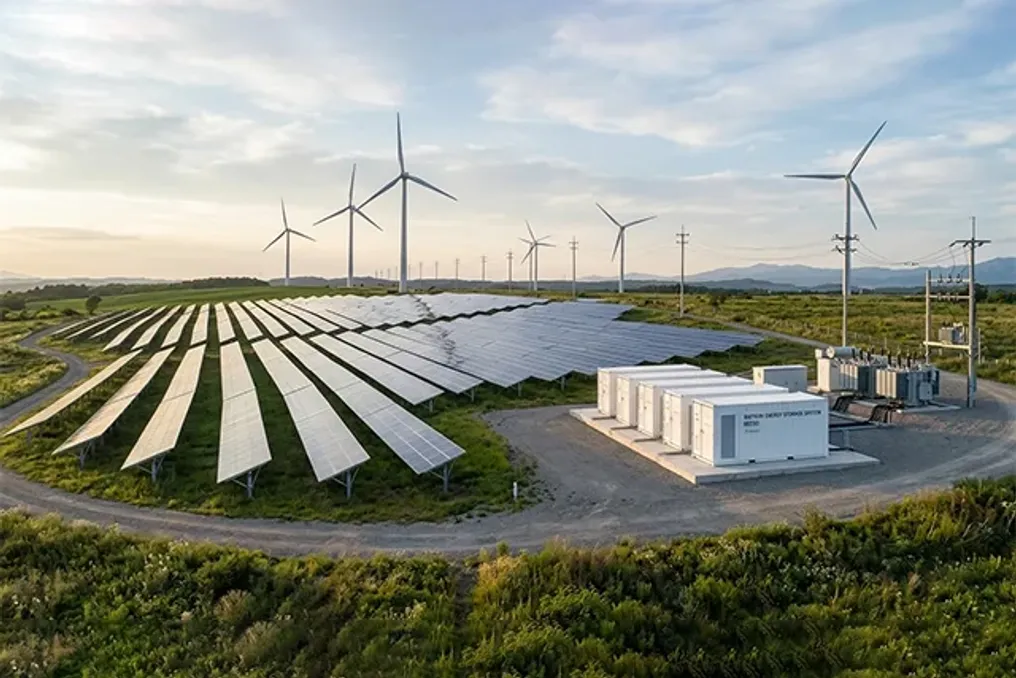
Currently, 157 power plants operate in the country with a total installed capacity of 27,343 megawatts (MW). Although thermal power plants still account for the largest share of generating capacity, hydro, solar, and wind energy are actively expanding. Solar energy capacity has reached 3,930 MW, and wind capacity stands at 1,652 MW. Battery energy storage systems additionally provide 1,545 MW, reflecting the growing role of clean energy in Uzbekistan's power supply system.
Since the beginning of the year until June 15, Uzbekistan's power plants have generated 42.2 billion kilowatt-hours (kWh) of electricity. This is 2.3 billion kWh, or 6%, more compared to the same period last year, demonstrating the expansion of the country's generation capacity amid growing demand. The strongest growth is observed in the renewable energy sector: during the same period, hydro, solar, and wind power plants produced 9.8 billion kWh, which is 23% more than last year. This underscores the increasingly important role that renewable energy plays in the national energy system.
According to experts, the expansion of renewable energy not only increases electricity generation but also reduces Uzbekistan's dependence on natural gas. In May 2026 alone, large solar and wind power plants generated over 1.231 billion kWh of electricity. This allowed for savings of approximately 328 million cubic meters of natural gas and prevented the release of about 707,000 tons of harmful emissions into the atmosphere. These figures also illustrate the environmental advantages of the country's energy transition.
Strategic Importance of Reforms
The ongoing transformation of Uzbekistan's energy sector is a central element of the country's long-term development strategy. Expanding generation, constructing new facilities, and upgrading outdated infrastructure help the country cope with constantly growing demand. Concurrently, reforms aimed at attracting private investment, strengthening international partnerships, and accelerating the adoption of renewable energy are transforming the sector and opening up new opportunities for economic growth, thereby enhancing Uzbekistan's investment attractiveness.