Carrying medications can be a prudent action in the face of unforeseen events, but when this habit evolves into accumulating various substances, it can pose risks to both physical and mental health.
Carrying medications can be a prudent action in the face of unforeseen events, but when this habit evolves into accumulating various substances, it can pose risks to both physical and mental health.
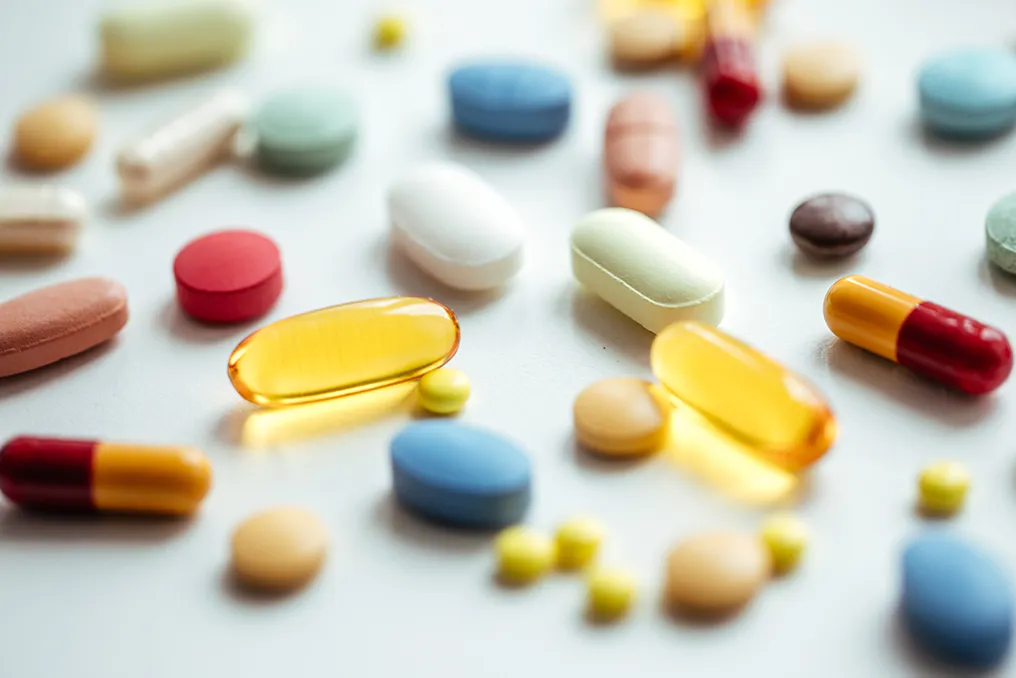
Having accessible medicine for a sudden headache, allergic reaction, or colic while at work is considered common sense. However, the problem arises when preparation for any discomfort turns bags, backpacks, and even vehicles into small mobile pharmacies.
Murilo Meneses Nunes, a cardiologist at Einstein Israelite Hospital in Goiânia, clarifies that carrying one or two essential items, such as antihistamines for severe allergies or bronchodilators for asthmatics, constitutes legitimate prevention. The alert should be raised when a person carries multiple medications for merely hypothetical symptoms and develops insecurity about leaving home without them, using analgesics, antacids, anti-inflammatories, and sedatives as a kind of insurance against future malaise.
Individuals suffering from illness anxiety disorder, popularly known as hypochondria, tend to interpret normal bodily sensations as indicators of serious illnesses. These patients incessantly seek confirmation through medical consultations, tests, family members, or internet searches, turning a slight digestive discomfort or a minor headache into a cause for great apprehension, maintaining a constant state of vigilance.
According to Nunes, this worry begins to dominate the person's life, affecting their social relationships, work, and leisure. Although the disorder can affect anyone, it is more common in individuals with a history of anxiety or depression, those who have experienced trauma related to illness, or people with a strong need for control and perfectionistic traits, seeking to ensure that nothing negative happens. It also tends to appear more frequently in middle age, a period marked by increased concerns about aging and the onset of chronic diseases.
Another frequent behavior is preventive self-medication, where the individual takes medication immediately to prevent the progression of a mild symptom, instead of waiting for natural recovery. This act can establish a vicious cycle. The cardiologist advises that the more a person focuses on their physical sensations and medicates themselves, the more anxious they become, making it essential to develop tolerance to minor discomforts and trust in the body's ability to self-regulate.
In addition to intensifying unnecessary health worries, frequent use of drugs without professional supervision can lead to serious physical problems. Nonsteroidal anti-inflammatory drugs, such as ibuprofen and diclofenac, can cause gastric lesions, intestinal hemorrhages, kidney damage, and increase cardiovascular risk if used frequently. Even paracetamol, often considered safe, can cause severe liver toxicity in excessive doses.
Sleeping pills sold over-the-counter can induce dependence, daytime drowsiness, and increase the risk of falls in the elderly. The Einstein doctor warns that the easy availability of these items creates a false sense of safety, reinforcing the need for professional guidance, even for non-prescription products, where the pharmacist can assist in more responsible use.
Continuous medication use can also obscure diagnoses; for example, constantly treating heartburn with antacids or pain with analgesics can mask diseases that require medical evaluation. There is also the little-known risk of drug interactions, when one drug alters the action of another. In terms of mental health, it is crucial to seek medical or psychological help if the worry about diseases is causing suffering or interfering with routine. Warning signs include extreme anxiety when running out of medication, obsessive symptom searching, repeated consultations for the same problem, inability to accept normal results, and recurrent use of medication without guidance.
Therapies, particularly cognitive-behavioral therapy, help reduce the persistent fear of getting sick and rebuild a healthier relationship with one's own body. Murilo Nunes emphasizes that the sooner treatment is started, the better the prognosis, stressing that such worry is not mere 'fuss,' but a real disorder that causes genuine suffering and responds well to appropriate treatment.
Improper storage also poses a danger. Keeping medications permanently in a bag, glove compartment, or car console is common, but heat, light, and humidity can chemically degrade the active ingredients, reducing the efficacy or compromising the safety of tablets, capsules, and liquids. In a car exposed to the sun, the temperature can exceed 60°C.
Alexandre Bechara, a pharmacist and PhD in pharmacology from Unifesp and coordinator of the Technical Working Group on Pharmaceutical Education at CRF-SP, explains that the original packaging protects the active ingredient against atmospheric agents that can contaminate or chemically alter the medication. Storing loose tablets increases the risk of identification errors and complicates expiration date control. The recommendation is to keep drugs in their original packaging, at a temperature between 15°C and 30°C, away from sunlight and humidity.
For most people, there is no need to carry large quantities of medicine. It is reasonable to keep prescribed medications for chronic conditions or already diagnosed emergencies handy, such as quick sources of glucose for diabetics in hypoglycemia. However, antibiotics, anti-inflammatories, potent muscle relaxants, and controlled medications should not be transported or used without adequate guidance and necessity, as every medication has the potential to cause harm if used incorrectly. The pharmacist points out that there are no intrinsically safe substances, but rather safe methods of using them.
When transport is unavoidable, Bechara suggests keeping the medicines in their original packaging and taking them in carry-on luggage, avoiding checked baggage due to temperature variations in aircraft cargo compartments. For pharmaceuticals requiring refrigeration, such as insulin, appropriate thermal bags must be used, maintaining a temperature between 2°C and 8°C, without direct contact with ice. It is vital to carry prescriptions and medical documents, especially for controlled substances, and to check airline policies on international transport.
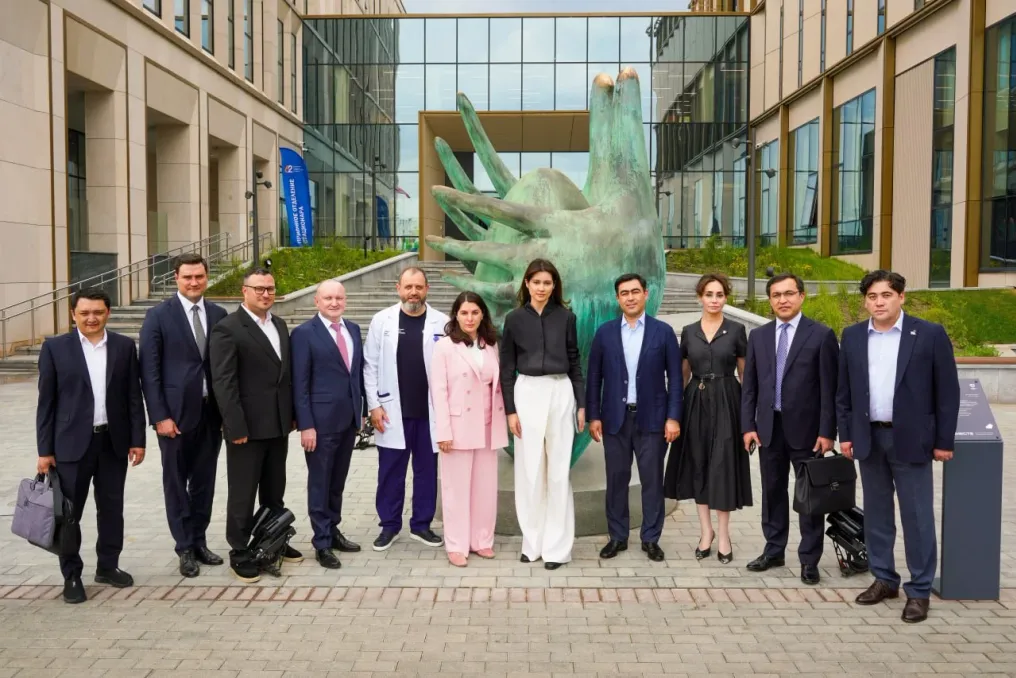
Uzbekistan and Moscow reached an agreement to expand cooperation in the field of healthcare following meetings of the Uzbek delegation with Anastasia Rakova, Deputy Mayor of Moscow for Social Development.
During the meeting, the Russian side presented unified standards for managing Moscow's healthcare system. These standards include the digitalization of medical services and the implementation of a continuous patient referral system.
At City Polyclinic No. 220, which operates under the 'My Polyclinic' standard, the Uzbek delegation familiarized itself with the organization of primary medical and sanitary care, patient flow management, digital registration, and preventive care.
At the S.P. Botkin Scientific and Clinical Multidisciplinary Center, the delegation was shown approaches to managing multidisciplinary hospitals, organizing diagnostic and surgical services, patient referral systems, and the introduction of modern medical technologies.
Visiting a children's clinical hospital, participants observed a model of specialized pediatric care that combines diagnostics, treatment, rehabilitation, and subsequent medical supervision. To study the palliative system, the delegation also visited the 'House with a Beacon' children's hospice and the Moscow Multidisciplinary Palliative Care Center, where mechanisms for supporting patients and families were presented.
Specialists at the Scientific and Practical Clinical Center for Diagnostics and Telemedicine Technologies demonstrated the application of artificial intelligence and remote interaction capabilities between radiologists. The delegation also visited the Interdisciplinary Training Center for Innovative Surgical Technologies, where they studied the system of practical surgeon training using simulation equipment and anatomical materials.
At the Moscow Laboratory Research Center, the delegation was shown robotic laboratory diagnostics, a three-tier laboratory network model, and a digital system for managing research data and test results. At the conclusion of the negotiations, the parties agreed to prepare a roadmap for further cooperation, including the implementation of joint pilot projects involving relevant experts.
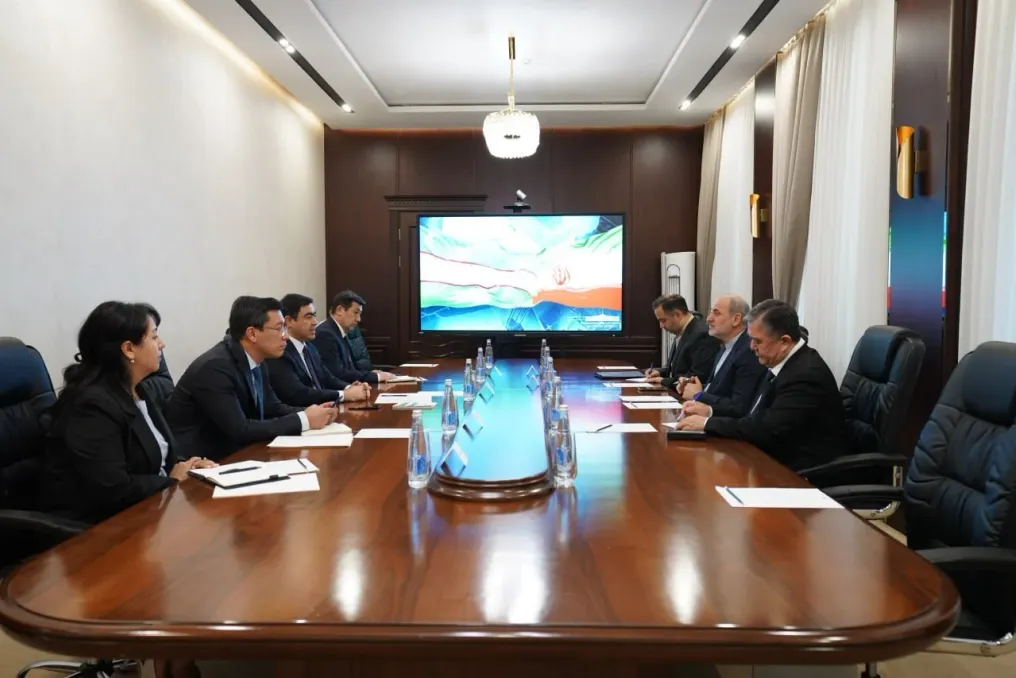
The Minister of Health of Uzbekistan, Eldor Adilov, met with the Iranian Ambassador to Uzbekistan, Mohammadali Iskandari, to discuss prospects for deepening bilateral interaction in the field of healthcare.
During the meeting, both sides noted that cooperation between Uzbekistan and Iran has been steadily growing in recent years due to agreements reached by the leadership of the two countries. This progress was achieved through closer interaction between the ministries of health, specialized medical centers, and higher educational institutions.
Particular attention was paid to strengthening ties between leading medical institutions. Opportunities were discussed for launching joint programs in areas such as cardiothoracic surgery, transplantation, oncology, as well as providing high-tech medical care.
Participants also reviewed the potential for joint investment projects related to the production of pharmaceuticals and medical equipment. At the conclusion of the negotiations, both sides expressed confidence that healthcare cooperation between Uzbekistan and Iran will reach a new level in the near future.