The U.S. Food and Drug Administration (FDA) granted approval on Thursday, the 16th, to Enlicitide. This medication was developed by Merck with the goal of lowering LDL cholesterol, which is classified as the type most linked to cardiovascular risks.
The U.S. Food and Drug Administration (FDA) granted approval on Thursday, the 16th, to Enlicitide. This medication was developed by Merck with the goal of lowering LDL cholesterol, which is classified as the type most linked to cardiovascular risks.
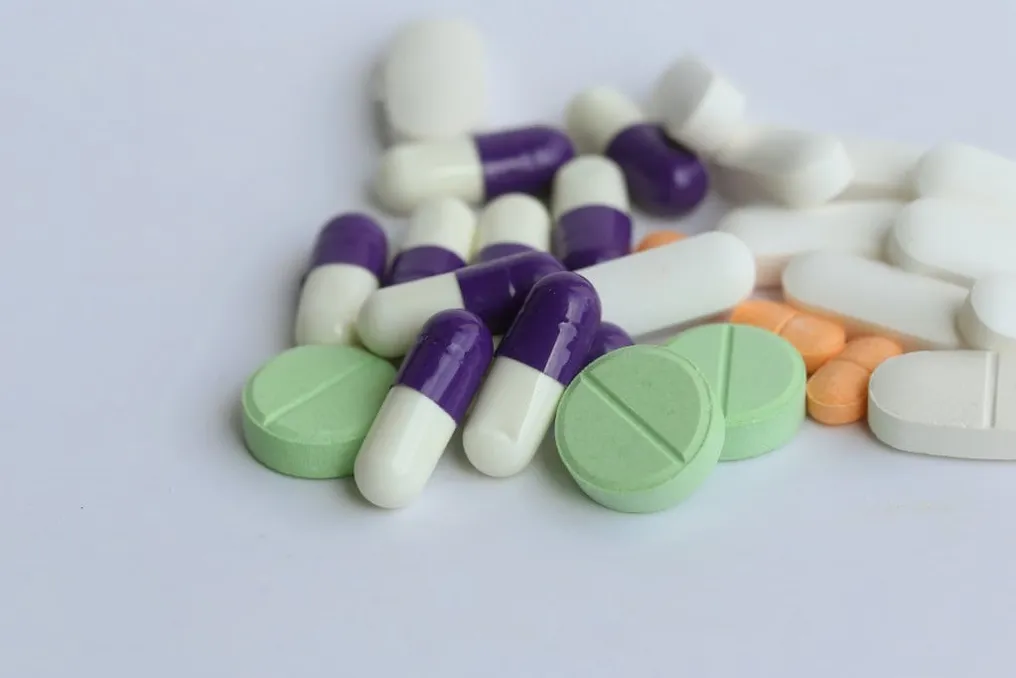
Marketed under the name Lipfendra, this tablet should be used daily and works by acting on the PCSK9 protein. According to clinical trial data presented by the company itself, Lipfendra has the potential to reduce LDL levels to values close to or even below 60.
This new therapeutic approach enters the American market offering a simpler administration alternative compared to current PCSK9 inhibitors, which require injection. This is expected to simplify treatment for patients at high risk of suffering a heart attack or stroke.
Lipfendra will be available as a daily tablet, prescribed by primary care physicians. Merck announced that the established list price will be US$ 315 for a package containing 30 days of treatment, with an expected arrival in the coming weeks.
Although it belongs to the same category as existing PCSK9 inhibitors, the main distinction of Lipfendra lies in its oral route of administration. Current injectable treatments have list prices ranging between US$ 500 and US$ 600 monthly or more.
Despite the effectiveness of injectable medications, only a small fraction of eligible patients use this therapy; the article points out that only about 1% of the six million eligible people use the available products.
Previous studies with injectable inhibitors showed a 20% decrease in the incidence of serious cardiovascular events in high-risk patients. Merck is conducting additional research to confirm whether Lipfendra will achieve the same effect in preventing strokes, heart attacks, and deaths related to cardiovascular problems.
The company's preliminary results came from a clinical study involving 2,912 participants over 24 weeks. This research demonstrated a drop of up to 60% in LDL cholesterol and found no significant differences in side effects between patients who took the medication and those who received a placebo.
The observed reduction corroborates findings already documented with the injectable versions of this therapeutic class. However, the direct benefit in preventing cardiac events awaits the completion of specific studies conducted with the new tablet.
Recent guidelines from the American Heart Association and the American College of Cardiology suggest stricter LDL targets for higher-risk groups. Individuals with above-average risk should aim for levels below 70, while patients classified as high risk, such as those who have had a heart attack, should keep levels below 55.
Dean Li, President of Merck Research Laboratories, stated that the company aims to make cholesterol control with Lipfendra as simple as using statins, the traditional drugs for lowering cholesterol. According to him, primary care physicians will be able to prescribe the therapy without needing a specific referral to cardiologists.
External experts at Merck expect that the introduction of a more accessible and practical tablet will increase the number of treated patients. Christopher Cannon, a cardiologist at Brigham and Women’s Hospital in Boston, positively assessed the approval in an interview cited by the newspaper.
David Maron, a preventive cardiologist at Stanford University, also highlighted the economic potential of this new option. In a reproduced statement, he compared the cost of the tablet to the value of currently available injectable treatments, stating that this would represent a major financial improvement over PCSK9 injectable inhibitors.
As of now, there is no information regarding a possible price reduction by manufacturers of PCSK9 injectable drugs after the entry of this new competitor into the market.
The World Health Organization (WHO) has released new global guidelines stating that up to 45% of dementia cases can be prevented or slowed down by eliminating several risk factors. These factors include high blood pressure, diabetes, smoking, insufficient physical activity, and, for the first time, air pollution.
The updated guidelines, which represent the first major revision since 2019, reflect a growing scientific understanding that lifestyle, management of chronic diseases, and environmental exposure can significantly affect brain health. The inclusion of air pollution is an important addition to the WHO's guidance on dementia prevention, as evidence accumulates linking prolonged exposure to polluted air with reduced cognitive function.
Dementia is a progressive brain disorder that impairs memory, thinking, and the ability to perform daily tasks. Alzheimer's disease accounts for approximately 60–70% of all dementia cases. Although there is currently no cure for this disease, the WHO asserts that a significant portion of the risk can be reduced through a healthier lifestyle and improved management of chronic illnesses.
These recommendations are particularly relevant for India, where the burden of dementia is expected to rise as the population ages. A national study published in the peer-reviewed journal Alzheimer's & Dementia showed that about 8.8 million Indians aged 60 and over suffer from dementia, based on a prevalence of 7.4% among the elderly. The WHO's guidance on air pollution is supported by a growing body of data. The 2024 Lancet Commission on Dementia Prevention, Intervention, and Treatment identified air pollution as one of 14 modifiable risk factors that, combined, could account for up to 45% of dementia cases. Furthermore, a 2024 study in BMJ Public Health found both external and internal air pollution to be significant risk factors for dementia in the Indian population.
Globally, over 57 million people live with dementia, and nearly 10 million new cases are diagnosed annually. Recommendations include regular physical activity, quitting tobacco, limiting alcohol consumption, maintaining a healthy diet, staying socially active and cognitively stimulated, and effectively managing high blood pressure, diabetes, and high cholesterol. Using hearing aids may also help reduce dementia risk if clinically indicated.
WHO Director-General Dr. Tedros Adhanom Ghebreyesus stated: 'Today we know more about what causes dementia risk than ever before, and these guidelines translate that knowledge into practical action.' He added that countries now have clear, evidence-based recommendations that can be immediately applied to protect people's cognitive health.
WHO also cautions against the routine use of Vitamin B or E, omega-3 fatty acids, or multivitamin-mineral supplements to prevent dementia in individuals without a diagnosed deficiency, citing insufficient evidence of benefit. Dementia also creates a significant economic burden: WHO estimates that the disease costs the global economy approximately $1.3 trillion annually, with about half of that burden borne by family and friends in the form of unpaid care.
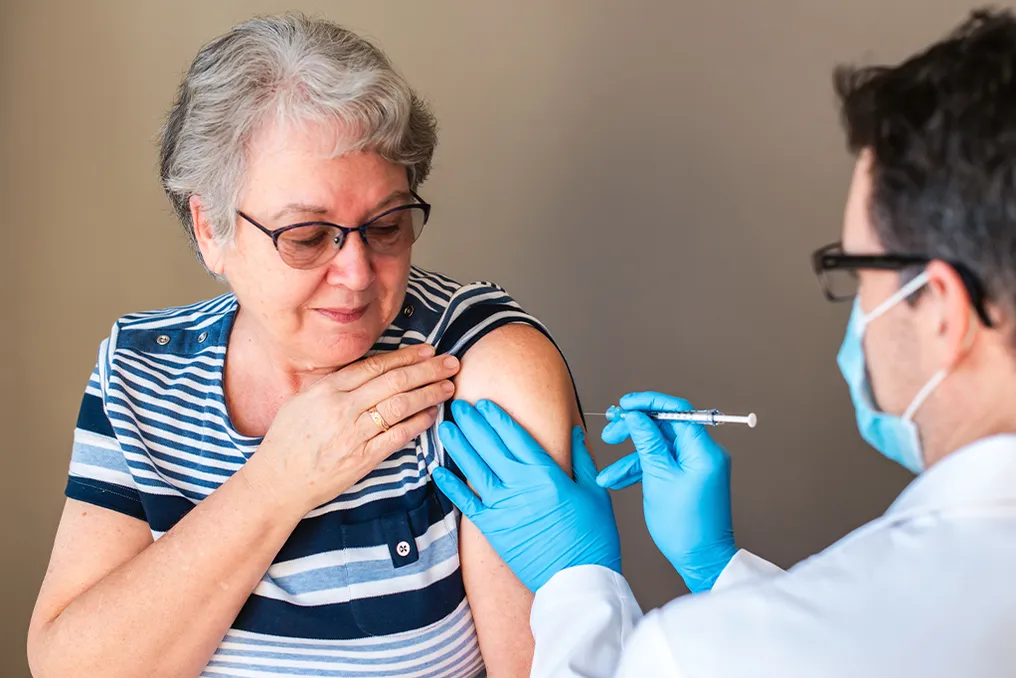
With the advancement of age, the immune system decreases its response capacity, making vaccine updates a crucial strategy to prevent serious illnesses, hospitalizations, and deterioration of quality of life. After turning 60, the body undergoes natural changes that compromise the functioning of organic defense, facilitating infections and their consequences.
This phenomenon is called immunosenescence, characterized by the progressive reduction of the organism's defensive capacity. According to Dr. Alfredo Gilio, coordinator of the Immunization Clinic at Einstein Israelite Hospital, just as muscle strength is lost, the immune system ages, increasing susceptibility to infections and decreasing the effectiveness of the body's response to them.
Dr. Isabela Ballalai, director of the Brazilian Society of Immunization (SBIm), emphasizes that vaccines help the body produce antibodies, offering protection upon contact with infectious agents.
In addition to immunosenescence, many elderly people deal with chronic conditions such as hypertension, diabetes, and cardiovascular problems, factors that intensify the danger of complications. Gilio points out that the flu in a young, healthy adult differs significantly from the flu in someone over 60, since the risk of pneumonia, need for hospitalization, and even death is higher.
Among immunizers, the influenza vaccine is the main suggestion for this group, especially during months of higher circulation of respiratory viruses. This annual application is part of the national immunization schedule established by the Ministry of Health. Pneumococcal vaccines aim to prevent pneumonias caused by pneumococcus and are relevant in this age group. However, in the public network, this immunizer is only accessible to bedridden elderly or residents of long-term care institutions.
COVID-19 vaccination remains recommended for those over 60 and is available only through the Unified Health System (SUS). Alfredo Gilio highlights that a large portion of COVID deaths and severe cases concentrates in this population, justifying the importance of boosters every six months.
Within the SUS framework, the National Technical Vaccination Schedule for the Elderly covers immunization against hepatitis B, and, in specific situations, double bacterial vaccines (tetanus and diphtheria), yellow fever, triple viral (measles, mumps, and rubella), and varicella. For those with access to the private sector, vaccination against herpes zoster, a painful disease caused by the reactivation of the chickenpox virus, and respiratory syncytial virus (RSV), responsible for severe respiratory infections in the elderly, is recommended.
Although children present the highest volume of severe acute respiratory syndrome (SARS) cases, individuals over 65 years old register the highest mortality rate, predominantly due to influenza A. Reports from the Infogripe Bulletin, from the Oswaldo Cruz Foundation (Fiocruz), dated July 2, indicate an increase in SARS cases among the elderly in the cities of Belém, Belo Horizonte, Curitiba, Manaus, and Rio de Janeiro.
The outlook is worsened by low vaccination coverage rates: according to the Ministry of Health's Influenza Vaccination Strategy panel, immunization of the elderly over 60 did not reach 50% in the 2026 campaign.
Several factors contribute to this reality. A doctor from Einstein mentions the persistent belief that vaccines are an exclusive topic for children, ignoring that immunization is part of healthcare in adulthood and aging. Ballalai adds that many people over 60 are unaware of the existence of a specific vaccination schedule for this age group, as they grew up without vaccines directed at adults. She stresses that it is vital for health professionals to review the vaccination history in every consultation.
Low risk perception is also an obstacle, as, according to the SBIm director, it is difficult to seek prevention when the disease ceases to be seen by people. However, Alfredo Gilio concludes that it is never too late to update the vaccination record, as preventing diseases through immunization is a way to preserve autonomy, quality of life, and promote healthier aging.
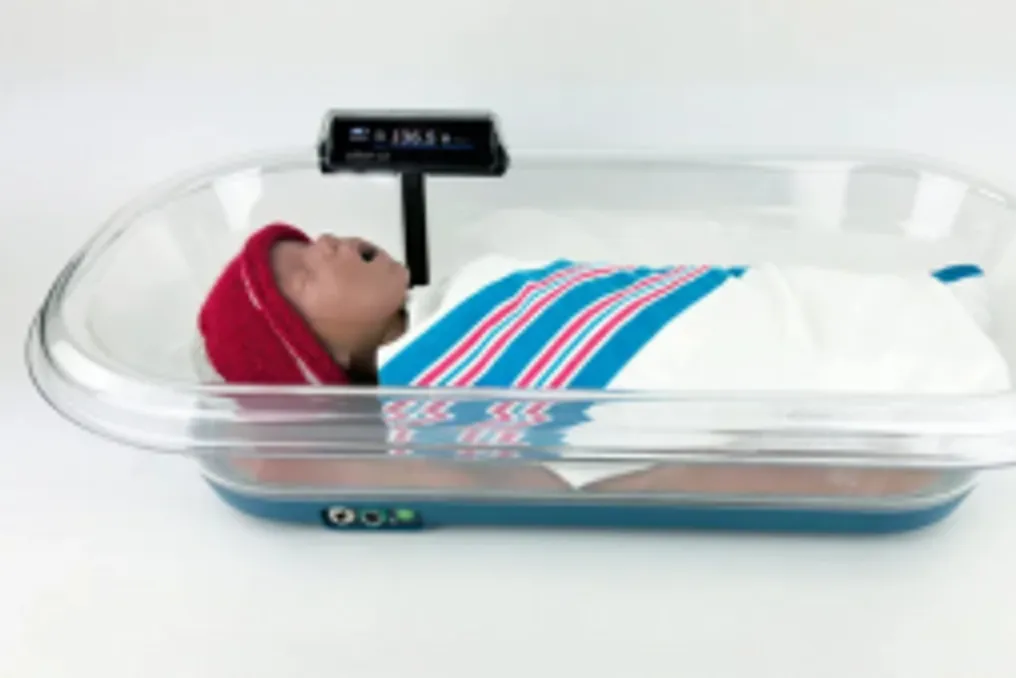
The Otter device, developed by the non-profit organization Design that Matters in collaboration with Vietnamese medical equipment manufacturer MTTS, is designed to prevent hypothermia in newborns in hospitals with limited resources.
The creation of Otter took eight years and was the result of collaboration with neonatologists, infection control specialists, and frontline healthcare workers in Africa and Southeast Asia. The project aimed to address one of the primary causes of newborn mortality—hypothermia.
Unlike standard incubators that circulate heated air, Otter uses conductive heating. This reduces energy consumption while providing stable thermal impact through direct contact. The device's casing is made of seamless polycarbonate, making it durable and easy to disinfect, and its appearance resembles a crib, allowing medical staff free access to the child during treatment.
The intuitive touchscreen minimizes the need for extensive staff training. Furthermore, the built-in battery ensures the heater operates even during power outages or transportation. Every aspect of the product reflects a deep understanding of the usage context, which is a result of meticulous refinement.
The team's philosophy is that medical equipment should be 'difficult to use incorrectly,' and Otter's design adheres to this principle, being both effective and intuitive. The project recently received awards, including the Core77 Social Impact Award in 2026 and the Autodesk Fusion Prize for its unique combination of engineering solutions, human-centered design, and manufacturing innovation. Otter is affordable, easy to clean, simple to operate, and sufficiently resilient to unreliable electricity without compromising clinical outcomes.