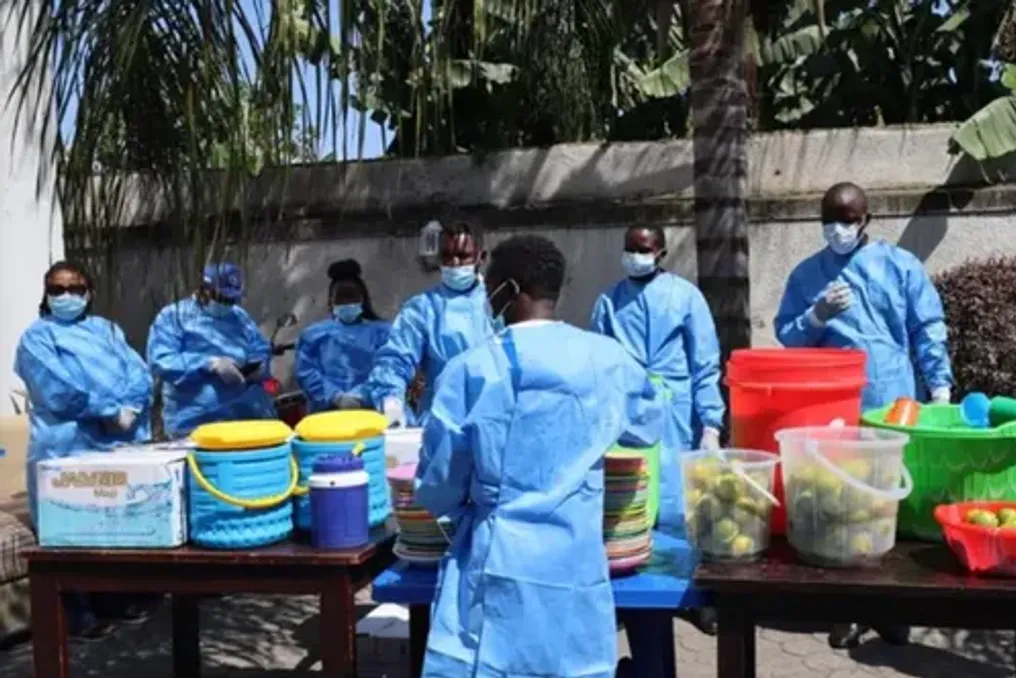
The Democratic Republic of Congo (DRC) has once again found itself at the center of one of Africa's most serious public health challenges. The number of confirmed Ebola cases has exceeded 2000, making this outbreak the fastest-growing in the country's history. More than 750 people have died, and hundreds of healthcare workers leading the response measures are threatening a full-scale strike due to months of delayed salaries.
Seriousness of the Epidemic and Its Spread
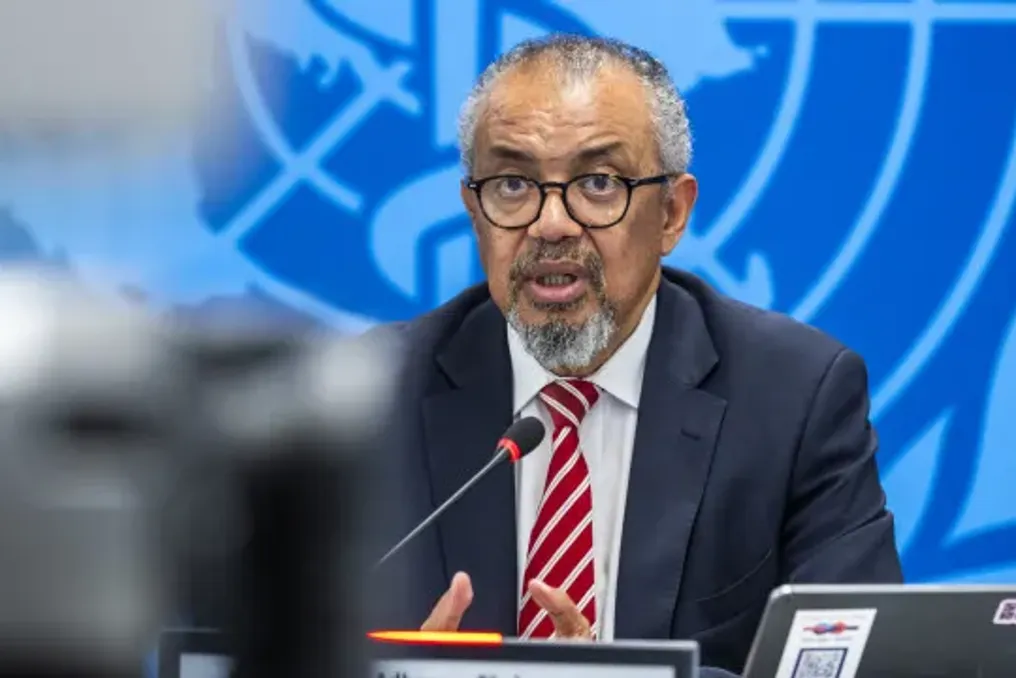
The figures raise serious alarm as the disease is spreading faster than authorities can localize it. The World Health Organization (WHO) has warned that the epidemic is still in an expansion phase, and current resources and response capabilities are significantly insufficient for the needs of the situation.
Challenges Distinguishing the Current Outbreak
Although Africa has previously faced Ebola—for example, during devastating outbreaks in Sierra Leone, Liberia, and Guinea between 2014 and 2016, which claimed over 11,000 lives and undermined fragile health systems—the current situation in the DRC presents a different challenge. This outbreak is caused by the Bundibugyo strain of Ebola, for which no vaccine has yet been approved. Experimental treatments are undergoing clinical trials, leaving medical personnel with a smaller arsenal of tools compared to previous outbreaks.
Impact of Conflict and Infrastructure
The situation is exacerbated by the fact that the outbreak is developing in eastern DRC, where armed conflict, mass displacement, and weak infrastructure complicate all aspects of the fight against the disease. More than 80 percent of new infections are linked to unknown transmission routes, making it difficult for health officials to pinpoint areas of viral spread and identify contacts.
The Problem of Underpaid Workers
One of the most overlooked aspects of the crisis is the growing dissatisfaction among frontline medical staff. Doctors, nurses, and support personnel are protesting the lack of pay despite working in one of the world's most dangerous environments. Some treatment centers have already experienced operational disruptions, raising concerns that larger strikes could further weaken containment efforts.
Regional Consequences for Africa
The consequences of this situation extend far beyond the DRC. As the country borders nine African nations, regional cooperation is crucial. Population movement through trade routes, refugee flows, and informal border crossings increases the risk of cross-border transmission. Uganda has already reported cases imported from this outbreak, prompting the WHO and the Africa Centre for Disease Control to strengthen regional preparedness.
Need for a Comprehensive Approach
An uncontrolled outbreak can also reduce tourism appeal, delay infrastructure projects, and increase the burden on already strained public health budgets in Central and East Africa. Investor confidence is closely tied to stability, and recurring health crises often increase perceived business risks in affected regions. Furthermore, public trust is vital. Ebola outbreaks are often accompanied by misinformation and fear, and communities that do not trust authorities may avoid testing, refuse treatment, or hide infected relatives, allowing the virus to spread unnoticed.
Response Strategy
Containing the outbreak will require more than emergency funding. Governments and regional bodies must ensure timely payment to healthcare workers, strengthen disease surveillance, and improve laboratory capacity before outbreaks escalate. The Africa Centres for Disease Control and Prevention and the WHO have already launched a continental preparedness strategy, recognizing that infectious diseases require coordinated regional action, not isolated national measures. The Ebola outbreak in the DRC serves as a reminder that health security is inseparable from economic security and regional stability. Africa has learned valuable lessons from previous epidemics, but experience is insufficient without continuous investment in health systems.