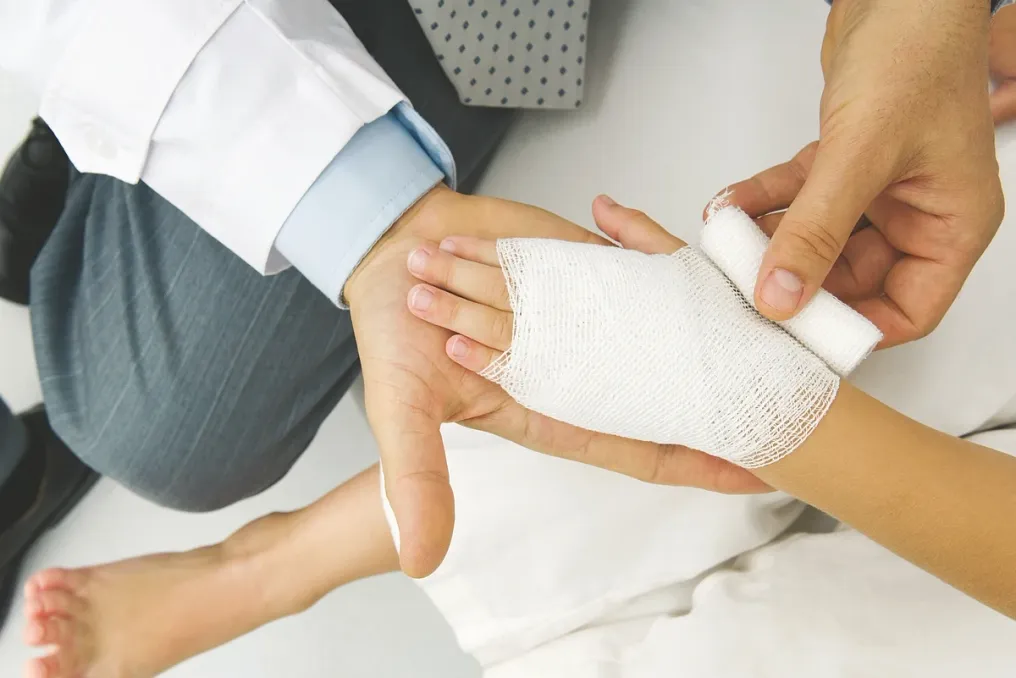
The Dubai Police issued a warning regarding a viral social media trend that encourages children to heat 'slime' in microwave ovens. Doctors in the UAE caution parents that this seemingly harmless experiment can lead to serious injuries.
The Dubai Police issued a warning regarding a viral social media trend that encourages children to heat 'slime' in microwave ovens. Doctors in the UAE caution parents that this seemingly harmless experiment can lead to serious injuries.
Experts warn that heating slime can trigger dangerous chemical reactions. This process generates hot vapors and heated materials that may splatter, causing burns or even small fires. Medical professionals note that children and teenagers, often drawn to viral online tests, may not realize the risks before an accident occurs.
Dr. Dia Abdul Rashid, a pediatrician at MediOr Hospital in Dubai, explained that the chemical composition of slime makes heating it in a microwave particularly risky. She specified that toy slime is usually made from polyvinyl chloride found in PVA glues and borate-based activators. Placing this chemical mixture in a microwave oven poses two main threats: severe physical burns and toxic inhalation.
Dr. Rashid added that slime does not heat evenly. The water trapped within the polymer structure turns into steam, forming pockets of superheated gas. If these pockets rupture, they can suddenly burst, causing hot material to spray. Since slime is sticky, Dr. Rashid warned that it could behave like 'hot lava,' adhering to the skin and continuing to cause harm.
Injuries related to such incidents can range from painful burns to more serious complications requiring medical intervention. Dr. Rashid reported that expected damage includes second and third-degree burns on hands, fingers, and face. If slime gets into the eyes, it can cause severe corneal burns and potential vision damage.
Furthermore, she warned that heating synthetic adhesives and polymers can release volatile organic compounds capable of irritating the respiratory tract, especially in children with respiratory conditions such as asthma. Dr. Mahmoud Medhat Abu Musa, an intensive care specialist at International Modern Hospital in Dubai, noted that the popularity of such challenges is often due to how social media portrays risky activities as harmless entertainment.
He emphasized that children and teenagers are naturally curious and easily influenced by content shared by peers and content creators on social media. Many viral videos focus on entertainment value while ignoring potential danger, making risky actions appear innocuous. He also added that young people may underestimate the consequences due to limited experience in assessing hazards.
Parents are advised to monitor for signs after exposure, including redness or blisters on the skin, eye pain, coughing, wheezing, difficulty breathing, dizziness, nausea, or throat irritation. Dr. Abu Musa advised: 'If a child develops breathing problems, severe burns, significant eye discomfort, or persistent symptoms, they should seek immediate medical evaluation. Early recognition and timely treatment can prevent complications and improve recovery.'
Medical staff insist that prevention starts with conversations at home, not just restricting children's access to online trends. Dr. Abeer Al Khalafawi, a pediatric consultant at Medicare Women and Children's Hospital, recommended that parents regularly discuss social media in family life. She suggested not just forbidding certain actions but encouraging discussion about viewed videos and jointly questioning whether something is truly safe.
Dr. Al Khalafawi explained that many online videos are edited and often do not show the consequences if something goes wrong. She stated: 'The fact that a challenge has millions of views does not mean it is safe to copy.' She gave families a simple safety tip: 'Activities involving heat, fire, electricity, chemicals, or sharp objects should never be undertaken without adult supervision.' Parents can also reduce risks by supervising younger children during crafts or experiments, keeping dangerous household items out of reach, setting age restrictions on social media, and encouraging children to ask permission before trying anything seen online. Dr. Al Khalafawi stressed that children must feel comfortable admitting if something went wrong. 'When they know they will be supported rather than immediately blamed, they are much more likely to seek help early, which allows for prompt treatment of injuries and prevention of more serious complications.'
Growing awareness of weight loss medications is prompting parents in the United Arab Emirates (UAE) to consult doctors about using these drugs for their children. However, specialists warn that such treatments are only suitable for carefully selected patients and should not be viewed as a quick way to lose weight.
Dr. Reham Ghanim, a pediatric endocrinologist at Metabolic, notes that she frequently hears discussions about GLP-1 medications on social media and in the news. She emphasizes that a common misconception among parents is the assumption that any GLP-1 drug approved for children can be used for weight loss. Dr. Ghanim explains that parents often perceive this as a quick fix, similar to taking paracetamol for a fever, whereas different medications have specific approved uses.
Specifically, Wegovy (semaglutide) is approved for treating obesity in adolescents over 12 years of age under certain medical criteria. Meanwhile, Mounjaro (tirzepatide) is intended for treating type 2 diabetes in children aged 10 and older, not for weight loss. The specialist points out that the use of GLP-1 drugs is considered only after lifestyle changes have been properly implemented and when obesity is accompanied by complications such as insulin resistance, prediabetes, diabetes, fatty liver disease, or high cholesterol.
Dr. Ghanim stresses that these medications are breakthrough treatments, but they are not 'magic pills.' Parents must understand that these are serious medical interventions requiring long-term commitment to healthy eating, physical activity, and regular monitoring. She adds that if GLP-1 is used in isolation, the likelihood of regaining weight after stopping the medication is very high; the main goal is to establish sustainable eating and physical activity habits, with the medication merely facilitating this process.
Fourteen-year-old Bara Ayaz incorporated treatment into a broader lifestyle change. Before starting Wegovy in May 2025, he struggled with overeating, severe insulin resistance, and persistent stomach issues. He realized the need for intervention when he became tired even climbing a single flight of stairs, noting that he often felt short of breath in situations where he shouldn't have.
Despite continuing to play football and basketball, his weight negatively affected both his self-confidence and how others perceived him. Although he had support from close friends, he was not popular among his peers. Bara noted that the medication alone did not change his health; the greatest improvements occurred after combining therapy with a calorie-controlled diet, regular gym sessions, and physical exercise later that same year. Since then, he has lost 40 kg, reducing his weight from 94 kg to 54 kg.
In addition to the positive changes, the teenager reported that the treatment went generally smoothly, although increasing to a higher dose caused severe abdominal pain, vomiting, and diarrhea during one period. He also experienced body dysmorphia, sometimes failing to notice physical changes even though others could see them. Currently, while gradually reducing the dose under a doctor's supervision, his main concern is whether his appetite will return after discontinuing the drug. He believes he can manage it through calorie deficit and how he learned to cope with food cravings.
Dr. Ghanim confirmed that this is precisely why medications must always be combined with sustainable lifestyle changes. She also added that children receiving GLP-1 therapy undergo regular monitoring of blood sugar levels, liver health, cholesterol, muscle mass, bone health, and growth, and treatment plans are individualized. She concludes that obesity is a chronic disease, and these drugs are just one tool that works best in combination with long-term lifestyle changes, family support, and meticulous medical supervision.