Woolworths Food ranked first in the list of most recommended South African brands for 2026. Samsung and Woolworths Clothing also made it into the top three. This ranking reflects how customer trust and support influence purchasing decisions.
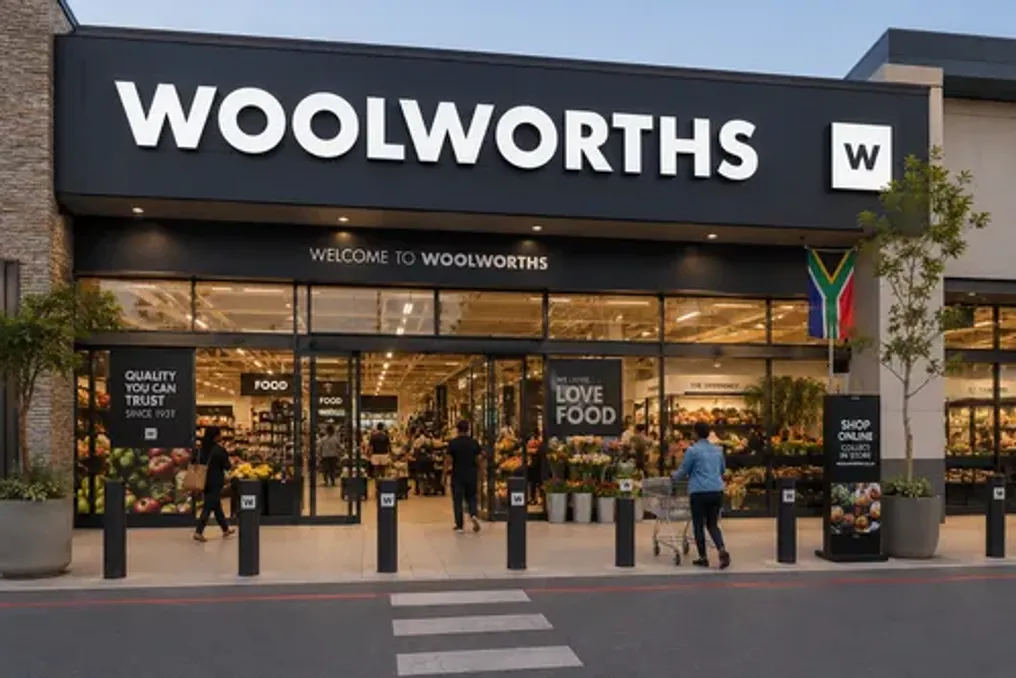
Woolworths Food ranked first in the list of most recommended South African brands for 2026. Samsung and Woolworths Clothing also made it into the top three. This ranking reflects how customer trust and support influence purchasing decisions.
The second annual Top-10 Most Recommended Brands study was prepared by the consumer data analytics consulting firm KLA in collaboration with YouGov. According to this study, Woolworths Food achieved a recommendation score of 88.1%, surpassing Samsung with 86.2% and Woolworths Clothing with 86.0%.
The ranking is based on information collected over the year through YouGov's BrandIndex platform. This platform measures the likelihood that current customers will recommend a brand to their friends, family, or colleagues. Woolworths strengthened its position by securing three spots in the top five, with Woolworths Home also entering the top five with a recommendation score of 82.7%.
Markham took fourth place with a score of 83.1%, while FNB, Cape Union Mart, Checkers, Investec, and Clicks were included in the top ten. Markham, Investec, and Clicks appeared on the list of the country's ten most recommended brands for the first time.
Mark Rahhi, Managing Consultant for Analytics at KLA, emphasized that customer recommendations remain one of the strongest indicators of brand strength because they reflect real consumer experiences, not just marketing spend. He noted that 'these are the brands South Africans are willing to vouch for with their name. Recommendation is one of the few brand metrics that cannot simply be bought. While advertising helps raise awareness, loyalty is earned through consistently delivering an experience worth talking about.'
The study showed that several brands maintained strong momentum compared to last year. Samsung, Woolworths Home, and FNB held their positions at second, fifth, and sixth places, respectively. Furthermore, Woolworths Clothing, Cape Union Mart, and Checkers remained in the top 10, moving up one spot.
The report indicates that the stability of these companies points to sustained investment in customer service and delivery. The new data confirms the growing importance of customer support and trust in an increasingly competitive market.
Although KLA did not publish a ranking of the most improved brands, the agency reported that participating clients gain access to detailed performance data and consumer insights. Among the leaders in improvement were Investec, Elegant Fuel, and Jet Cellular, reflecting significant progress in strengthening customer trust, improving service, and building stronger brand loyalty.
Retail chains in South Africa are transforming the concept of value by combining convenience, high quality, and an engaging shopping experience, as consumers demand more than just low prices.
The grocery retail sector in South Africa is entering a new phase as sellers shift their focus from competing solely on price to creating customer experiences. These experiences encourage customers to spend more time in stores and strengthen brand loyalty.
These changes occur against a backdrop of consumers becoming more discerning about how they spend money, where value is increasingly defined by quality, service, trust, and convenience, rather than just price.
According to the NielsenIQ Consumer Outlook: Guide to 2026, shoppers are becoming more selective in their purchasing decisions, preferring products, brands, and retail experiences that offer genuine meaning and relevance. The study also showed that the concept of convenience is evolving: consumers expect a seamless, personalized, and easy-to-use shopping process.
In parallel, Deloitte's 2026 Retail Industry Global Outlook report revealed that retailers worldwide are adapting to changing consumer behavior, recognizing that value now extends beyond affordability to include experience, quality, and customer service.
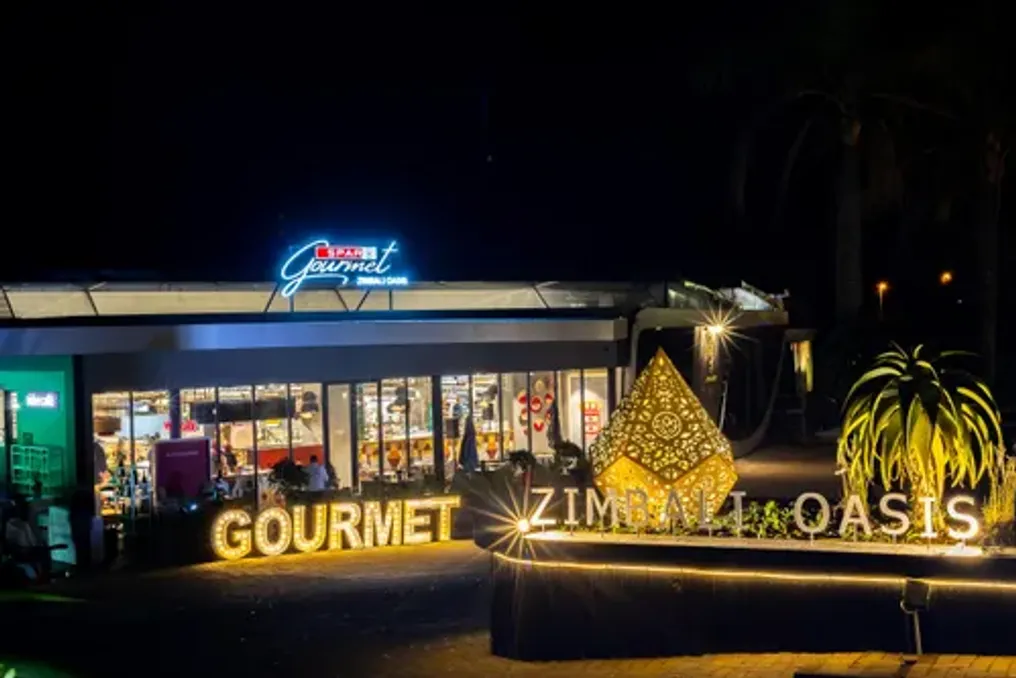
Against this backdrop, retail companies are investing in new store formats that merge grocery shopping with elements of hospitality, food service, and lifestyle. For instance, SPAR Group recently opened its first SPAR Gourmet store in South Africa at Zimbali Oasis on the Northeast Coast of KwaZulu-Natal. This premium format combines the convenience of a café, freshly prepared meals, and carefully selected specialty products alongside traditional groceries.
Mpudi Maubane, National Public Relations, Communications, and Sponsorship Manager at The SPAR Group South Africa, noted that 'the design ensures that customers perceive the store not just as a stopover, but as a great place to visit, explore, and enjoy.' He added that 'the focus is not just on providing necessities, but on creating an environment where shopping becomes a pleasant and exciting experience. Whether it's a relaxed coffee break at Vida e Caffè or freshly prepared dishes from skilled chefs, every visit to SPAR Gourmet is intended to be a journey of discovery and pleasure.'
The concept is built on a three-loop store design and offers freshly prepared meals, artisanal delicacies, imported specialty products, a health-focused assortment, and gift selections. It is also the first store in South Africa to feature a selection of Boschendal specialty products alongside the SPAR Signature range. The retail chain plans to scale this format nationally, anticipating the opening of 30 to 40 SPAR Gourmet stores as part of its overall strategy to serve diverse consumer segments through differentiated retail offerings.
The concept development was conducted in partnership with the Anderson family, independent SPAR retailers who have managed stores in the Umhlanga area for nearly 30 years. Their experience and understanding of local buying habits helped shape the format while maintaining a strong community orientation.
Maubane emphasized that retailers must continue to adapt as consumer expectations change. He stated: 'The modern consumer expects retail spaces that reflect their lifestyle and offer more than just convenience.' He continued: 'Consumers are looking for places that inspire, allow them to discover new things, and provide meaningful experiences. Retailers who successfully combine convenience, quality, and experience will be best positioned to meet these evolving expectations.'
Industry research indicates that physical stores remain a vital part of the retail landscape despite the ongoing growth of online shopping. Instead of competing only on price, many retailers are creating destinations that motivate customers to browse, dine, and discover new products during their visit. As South African consumers continue to redefine the meaning of value, retailers are increasingly focusing on creating environments that blend convenience with memorable experiences, signaling that the future of grocery shopping may be defined by atmosphere and engagement as much as by the products on the shelves.
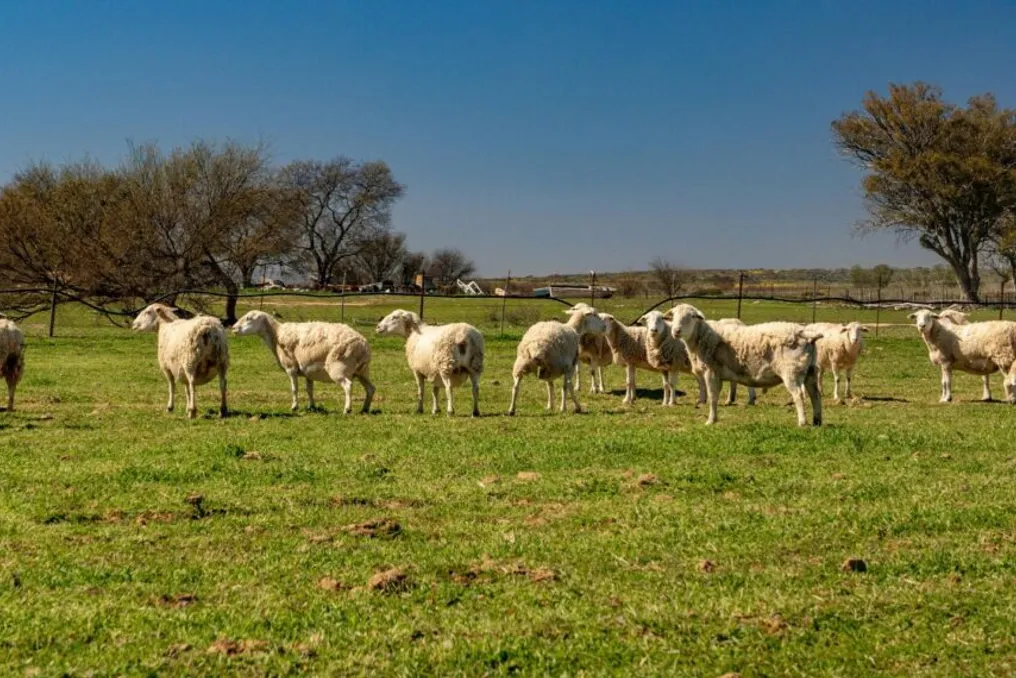
Participants at the recent Bureau for Food and Agricultural Policy (BFAP) forum concluded that the potential of South Africa's livestock industry for export expansion is significant, but success will depend on strengthening animal health systems, improving market access, and establishing reliable traceability systems.
According to BFAP Executive Director Dr. Tracy Davies, the slowdown in domestic meat consumption growth is due to weak consumer demand. She noted that the limited growth in South Africans' real incomes over the past decade has reduced purchasing power, which is particularly reflected in meat consumption, one of the most expensive items in the food basket.
Davies emphasized that while demand for more affordable proteins such as pork and poultry is expected to grow, the demand for higher-cost meat in the domestic market is growing slower. Nevertheless, production in several livestock sectors exceeds local consumption, highlighting the importance of international trade. She explained that recent growth is largely linked to import substitution and increased exports.
Dr. Davies reported that South Africa's meat industry has made notable progress, transitioning from a net importer to a net exporter and focusing on premium Middle Eastern markets. Her strategy is not to compete with major exporters like Brazil, but to produce high-quality products for niche markets, which brings greater value to producers.
However, persistent outbreaks of animal diseases, particularly Foot-and-Mouth Disease (FMD), remain a major obstacle to export growth. Davies pointed out that the increasing frequency and severity of such diseases are a serious constraint on expanding the export of South African livestock products, making improved animal health a critical priority.
BFAP modeling showed that strengthening traceability, compartmentalization, quality assurance, and animal health systems could increase producer prices by 2–4 rand per kilogram of carcass by 2035, bringing billions of rand in additional income to the meat industry.
Davies added that achieving export growth requires improving market access through securing favorable trade agreements, implementing effective traceability and quality control systems, and investing in port infrastructure, transport networks, and other necessary infrastructure.
Firdy Meyer, Managing Director of BFAP, noted that the organization's work across Africa demonstrates that developing livestock requires more than just increasing productivity. He stated that Africa's problem is not only about productivity but also about the market. It is necessary to create demand that stimulates production throughout the value chain, rather than simply pushing more product onto the market.
Drawing on research in Malawi and Kenya, Meyer stressed that policy decisions must be based on reliable data and a deep understanding of the unique production systems, consumer preferences, and accessibility constraints in each country.
Meanwhile, Dr. Philip Oosthuizen, Operations Director of Red Meat Industry Services (RMIS), stated that an effective national traceability system is vital both for disease control and for export growth. He noted that with a proper traceability system in place, the FMD crisis would be much easier to manage.
RMIS has developed a traceability system based on globally recognized location numbers and digital records of animal movements, which already involves over 11,500 farmers. Oosthuizen added that the value of traceability extends beyond disease management: it opens opportunities for value enhancement, improved market access, and strengthened trust throughout the value chain.
The speakers agreed that unlocking the export potential of the livestock industry will require continuous collaboration between government and industry to improve biosecurity, strengthen market access, and build the infrastructure necessary for international competitiveness.